
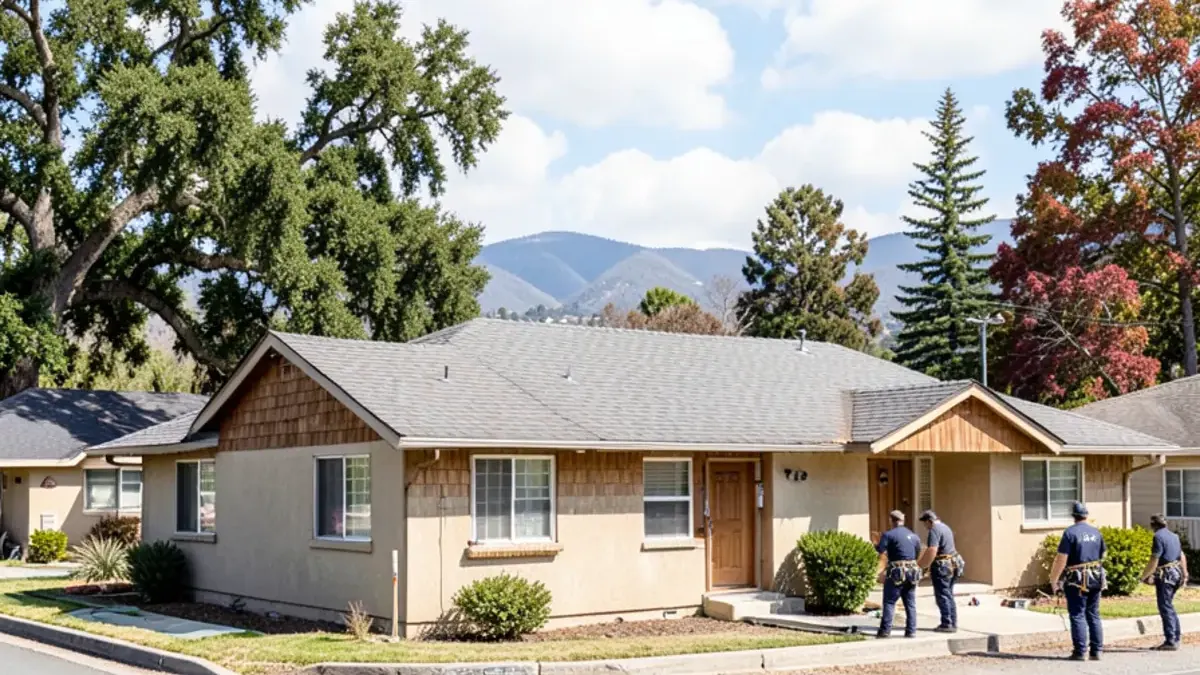
Repairs and upgrades that suit a flat, bayside city of ranch homes
Most of Newark's houses are one-story tract homes from the late 1950s through the 1970s, built on level ground after the city incorporated in 1955. Low-pitched gable and hip roofs like these are easy to walk, which keeps inspections and repairs straightforward, but they also mean the attic is shallow and often under-vented.
- Shingle reroofs on homes still wearing a 20- to 25-year-old second roof.
- Attic ventilation fixes, adding ridge or eave vents so a shallow attic stops cooking the shingles from below.
- Gutter replacement on long, straight eaves where water has nowhere to go on flat lots.
- Spot repairs at plumbing vents, skylight curbs and patio-cover tie-ins added by past owners.
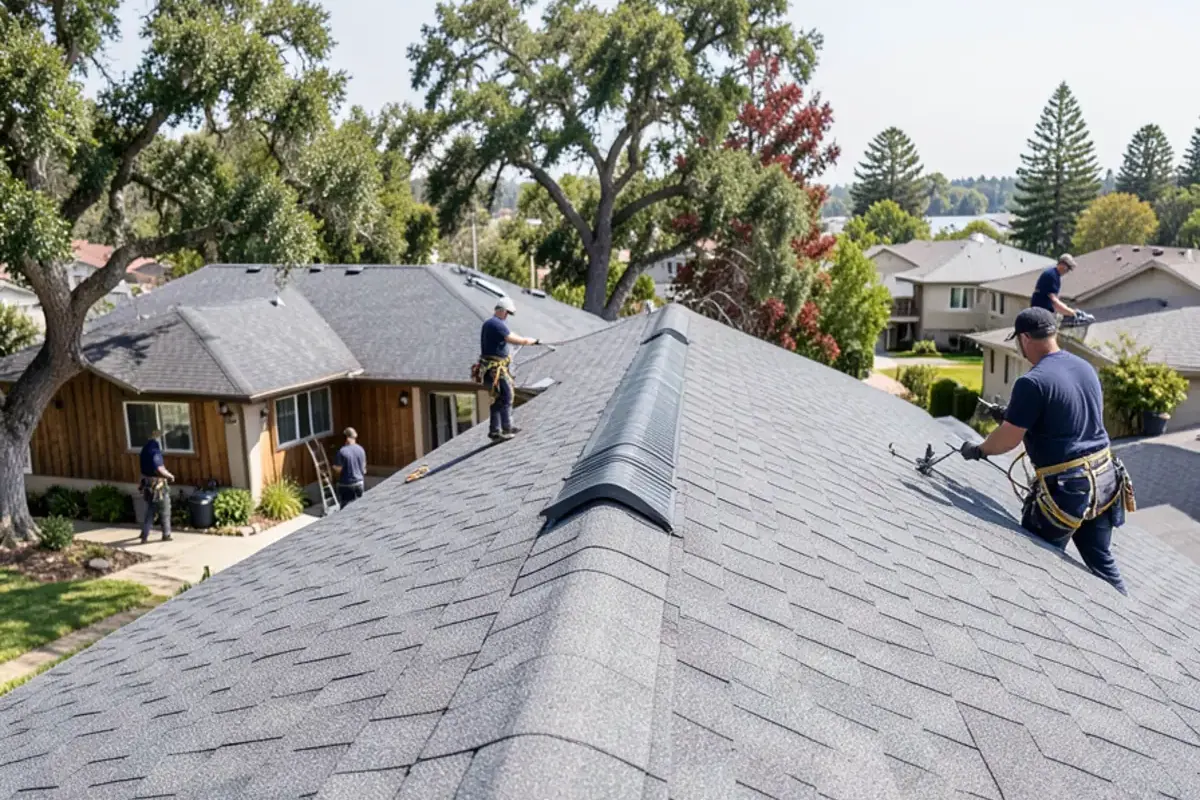
Roofing services Newark homeowners ask for most
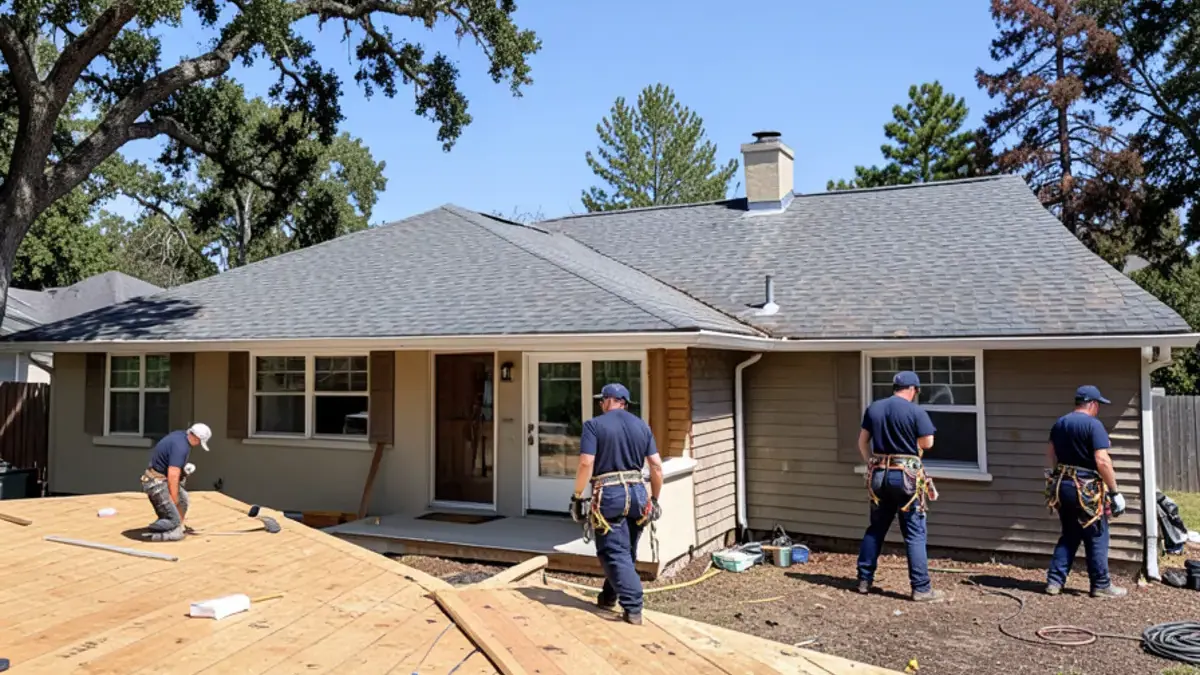
Roof Replacement
Newark's late-1950s to 1970s single-story tracts are often on a tired second roof over skip sheathing, so a full tear-off with new plywood decking is the honest fix rather than another layer.
Learn more →
Attic Ventilation & Insulation
Shallow attics under low-pitched Newark tract roofs trap summer heat and winter moisture; balanced eave intake and ridge exhaust keep the deck dry and slow the shingles' aging from below.
Learn more →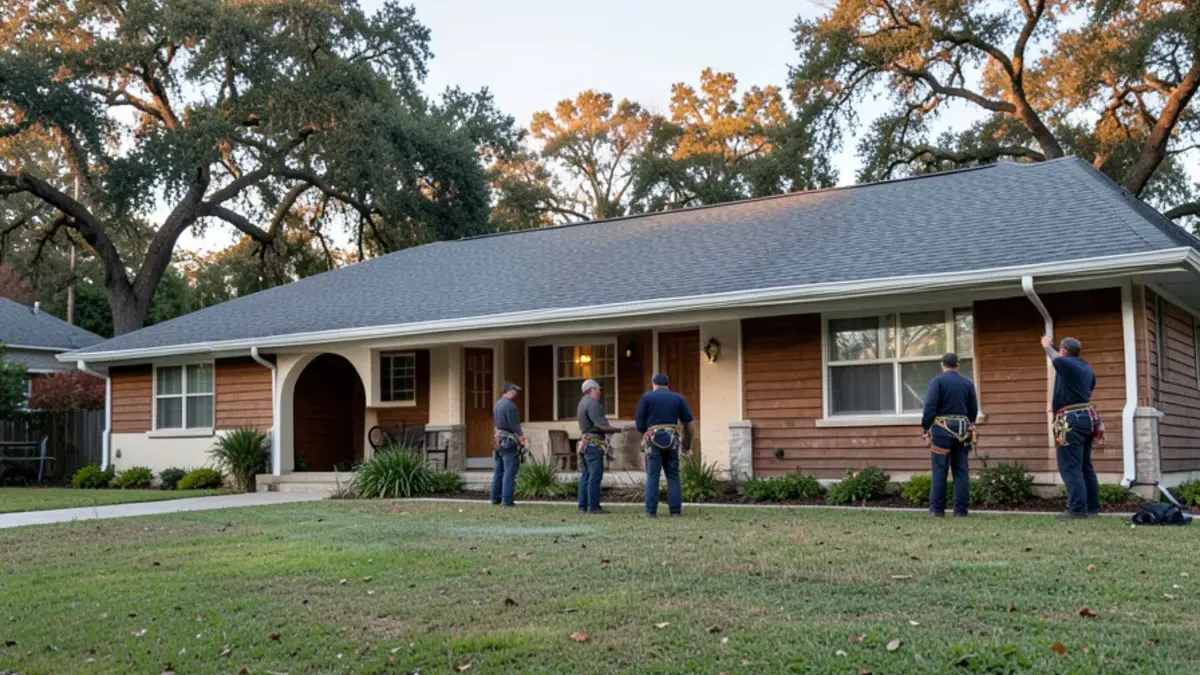
Gutters & Downspouts
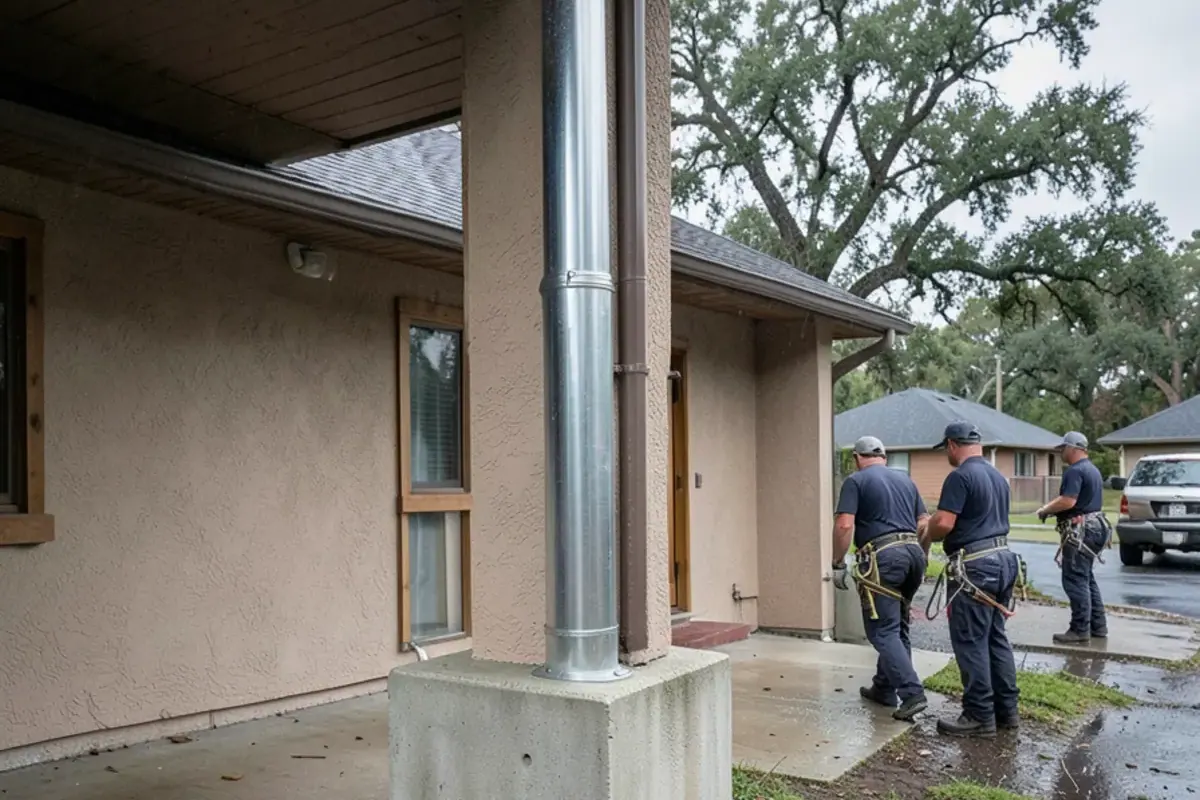
On level lots near the bay there's no slope to carry water away, so gutters and downspouts with extensions decide whether a winter storm drains off or pools against the slab.
Learn more →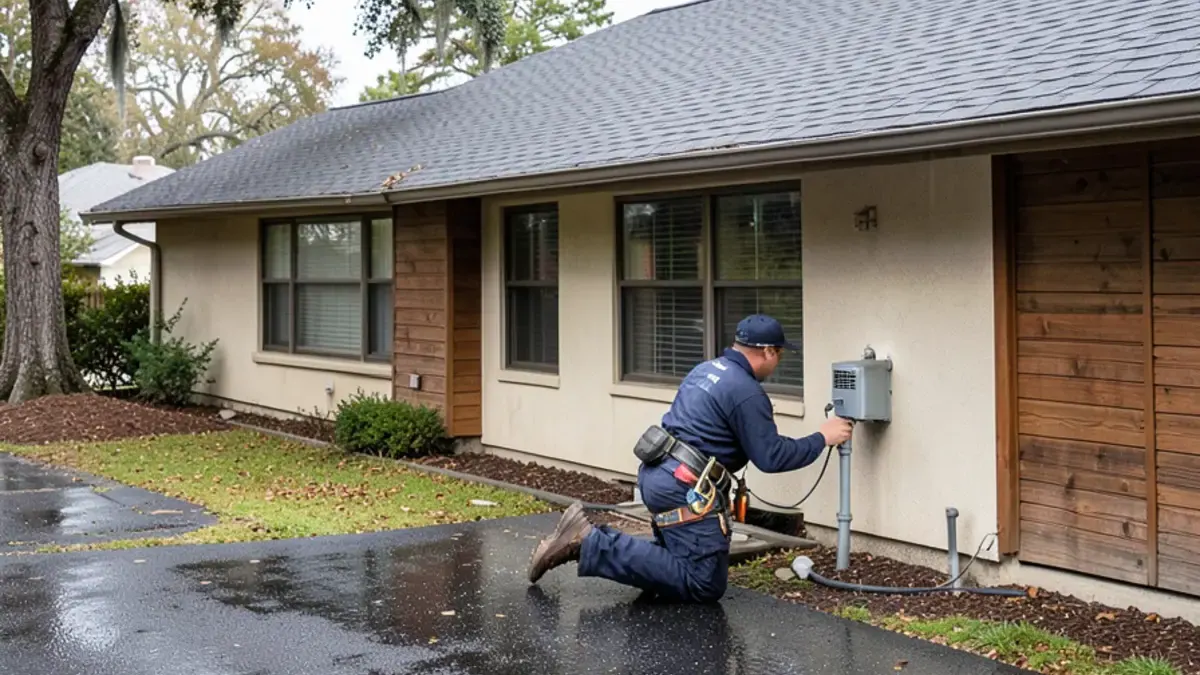
Roof Repair
Afternoon wind off the bay loosens ridge caps and brittle shingle edges on exposed Newark streets, and rusted vent caps and old skylight flashings near the marsh start to leak.
Learn more →
Skylights
Many Newark ranch homes added plastic-dome skylights decades ago; low roof pitch lets water sit against their curbs, so we reflash or replace them when the roof is opened.
Learn more →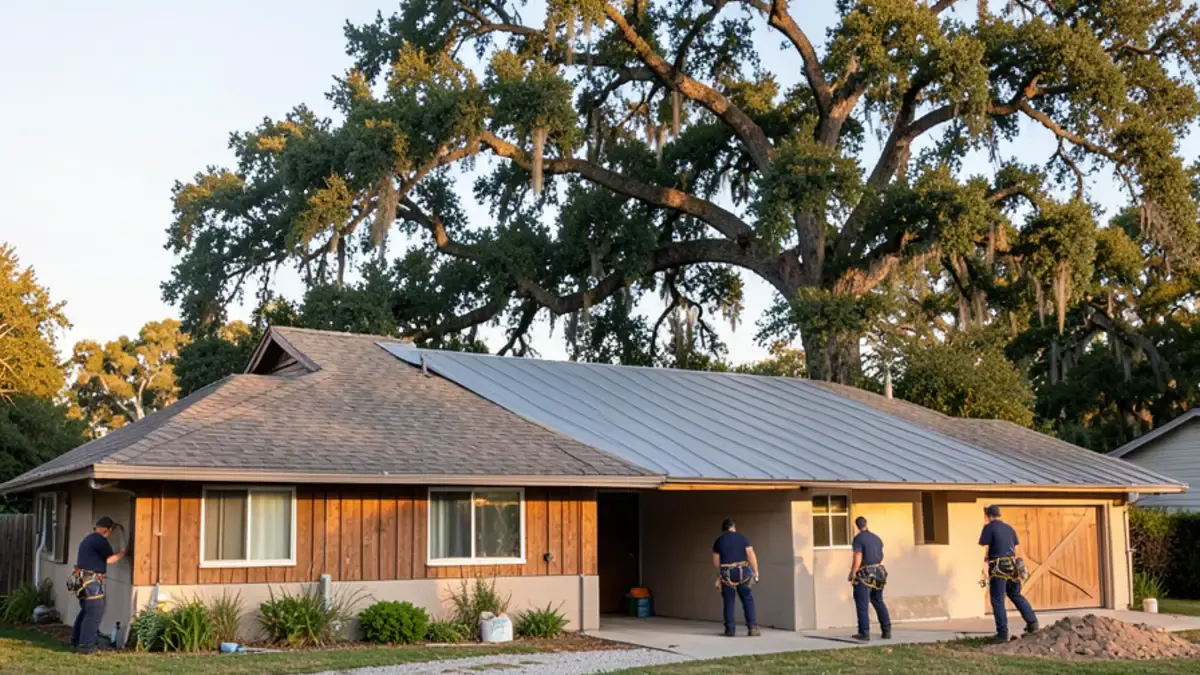
Flat Roofing
Patio covers and flat-roofed additions tied into Newark tract homes are a common leak point; we check the membrane, the tie-in flashing and where the water goes on the flat lot.
Learn more →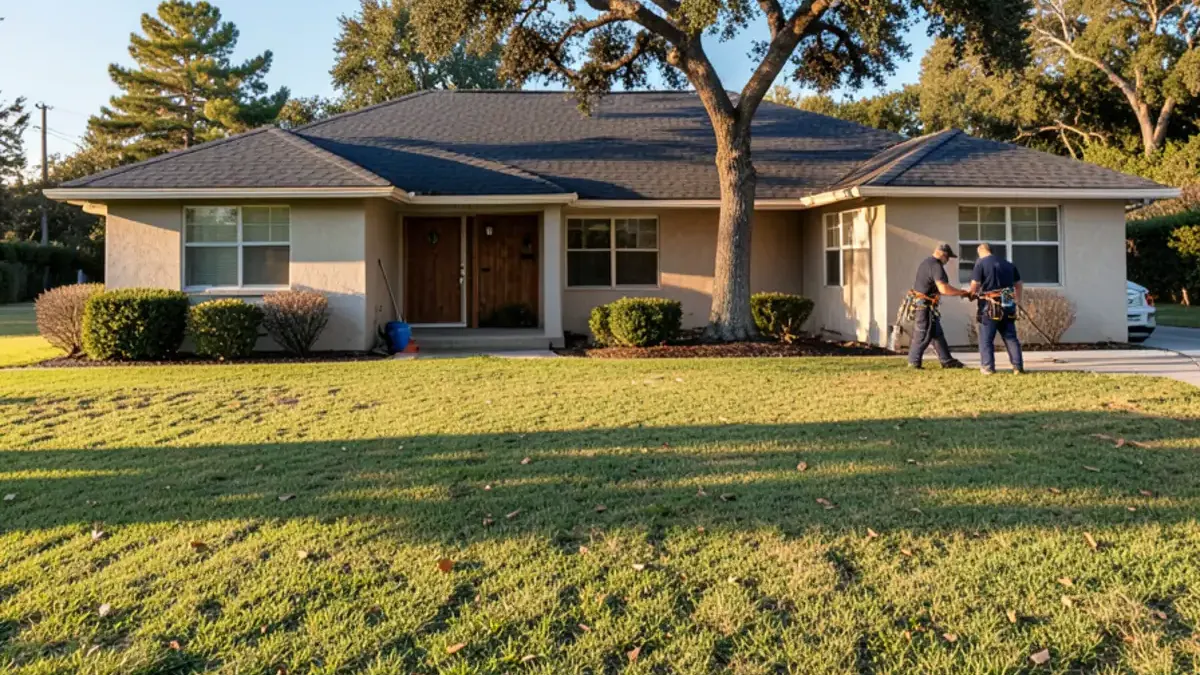
Roofing Contractor in Campbell
One visit covers roof, flashing, attic and drainage on any Newark street, from the Thornton Avenue core to the tracts by Route 84, with photos and a free itemized estimate.
Learn more →
Roof trouble in Newark?
We drive out from Campbell (about 40 min (22 mi)). Call to book an inspection.
Scheduling, photos and the City of Newark permit
Call or use the form and we'll offer a Newark date. On the day, the estimator checks the roof surface, flashing, vents and the attic, then sends you the photos. Then comes the free estimate, written, with every line item spelled out. If the job is a reroof, the permit goes through the City of Newark's building division, and a city inspector checks the work before it's closed out.
Bay wind, Coyote Hills and the flat lots near the marshes
Newark sits on low ground beside the salt marshes of the San Francisco Bay, with the Coyote Hills just to the northwest. Afternoon wind off the bay works at loose ridge caps and lifts the edges of brittle shingles on exposed streets. Winter storms bring the opposite problem: on flat lots, water from a clogged or undersized gutter lands at the foundation and stays there. Hail and snow are not real concerns here, so we don't sell those repairs.
Age compounds the exposure. A tract roof from the 1960s that has already been replaced once is usually on asphalt shingles near the end of their run, often over the original skip sheathing, and the damp air off the marshes rusts old galvanized vent caps and flashing faster than it does inland. Birds and rodents work their way in through open gable vents and under loose ridge caps. A few houses near the old downtown predate the tracts, and their framing and roof lines rarely match a standard tract plan, so we measure them on site rather than assume.
Thornton Avenue, the old rail yard and the Route 84 approach
Newark is small, about 46,254 residents going by the Census Bureau's estimate for 2024, and it is surrounded on land by Fremont, with bay marsh on the west. The town grew around the South Pacific Coast Railroad, chartered in 1876: its station, roundhouse and shops stood between Thornton Avenue, Sycamore Street and Carter Avenue, and the Carter Brothers built rail cars here. The tract neighborhoods filled in around that core after 1955.
- Main roads: Thornton Avenue, Cedar Boulevard, Jarvis Avenue and Mowry Avenue, with NewPark Mall by I-880 at the east edge.
- Route 84 and the Dumbarton Bridge: the highway along the north side of town that carries traffic west across the bay to Menlo Park.
- Coyote Hills Regional Park: the low ridge just northwest of town, across the Route 84 approach, ringed by open marsh.
- The Don Edwards wildlife refuge: federal salt marsh along the bay edge, and the reason damp air reaches so many Newark roofs.
Plain proof for homeowners west of I-880
We have no Newark job photos or Newark reviews to show you. What's true: Newark is part of our regular area, we reach it on I-880 from Campbell, and the estimator who looks at your roof is the one who sends the pictures. Read our 64 Google reviews for how homeowners describe that process, then hold our written estimate up against any other you get.