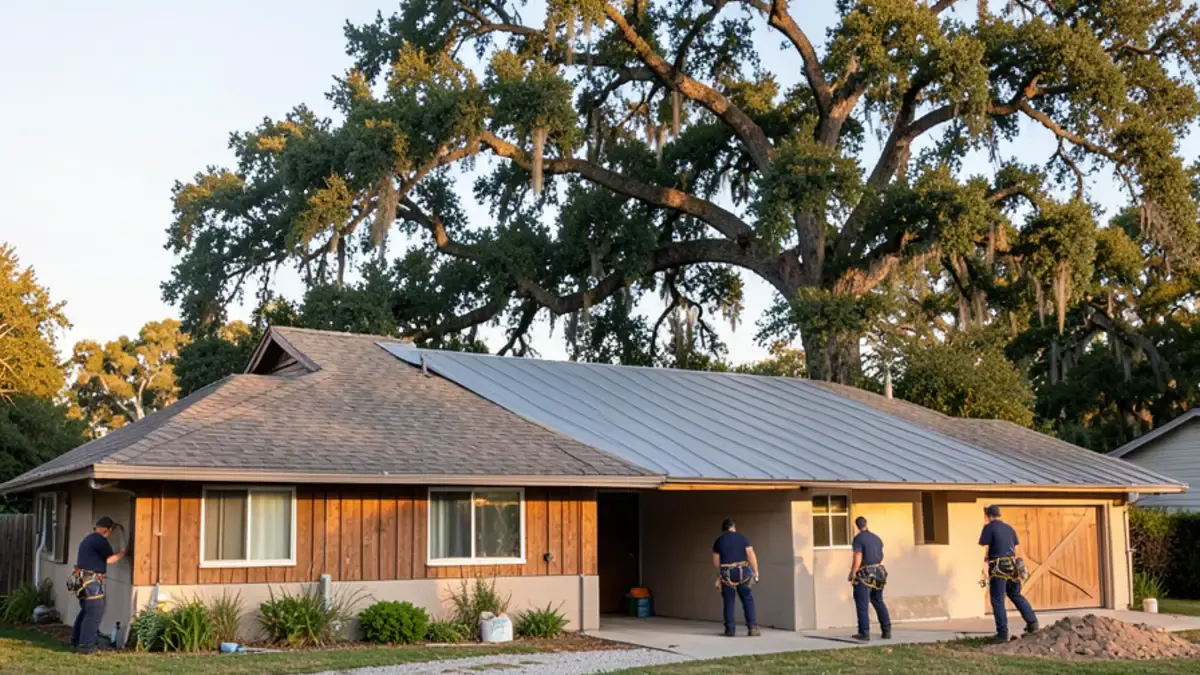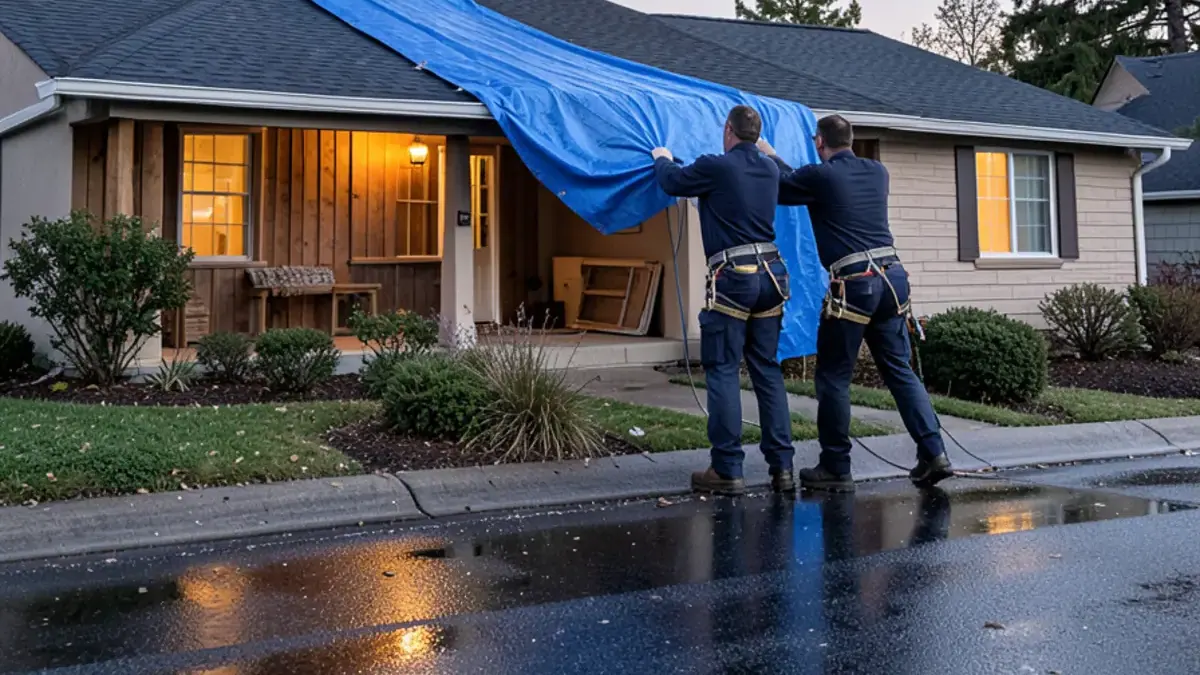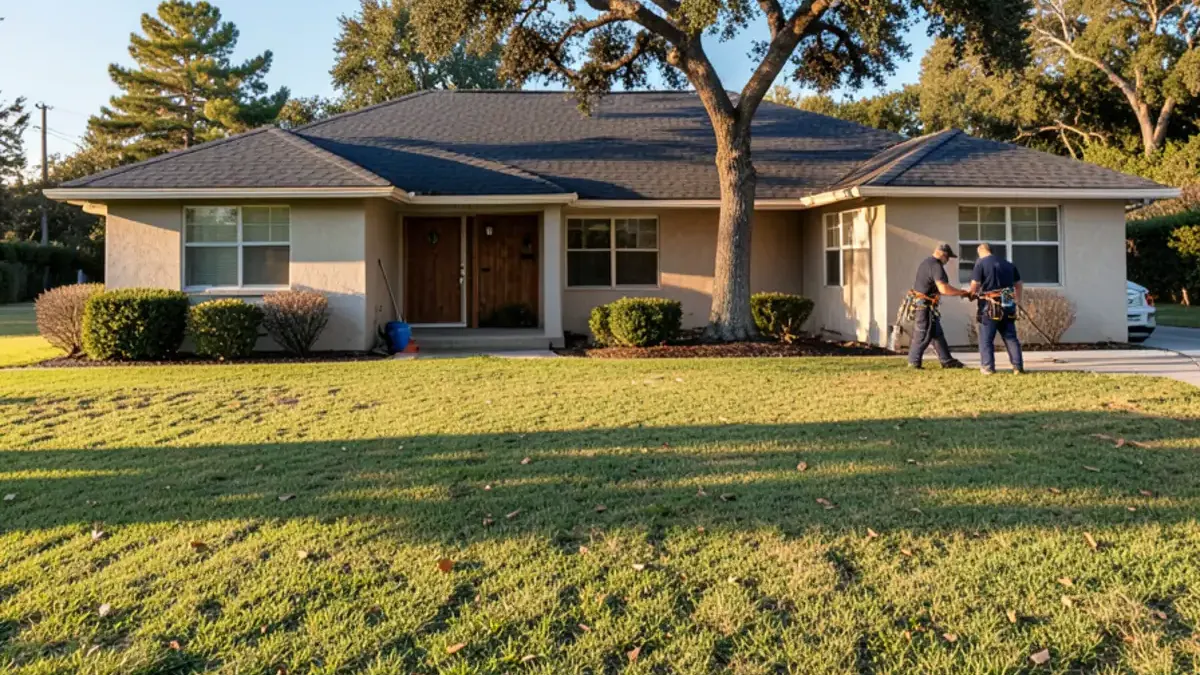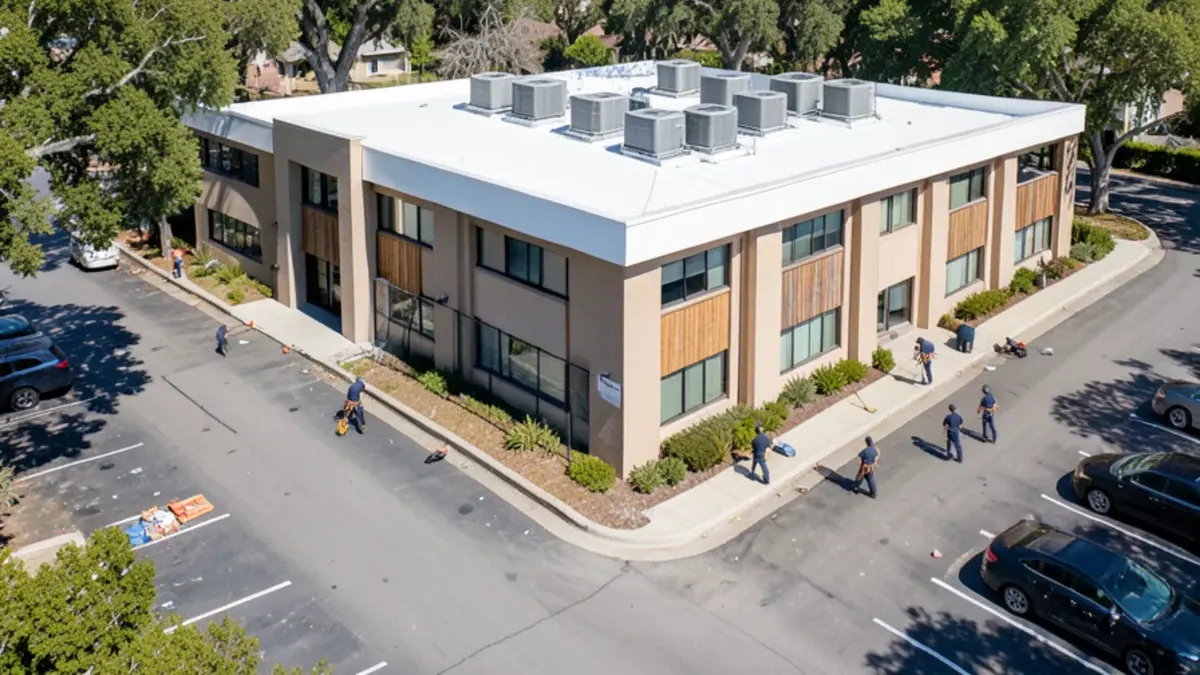
Commercial roofing in Campbell, CA: the buildings we work on
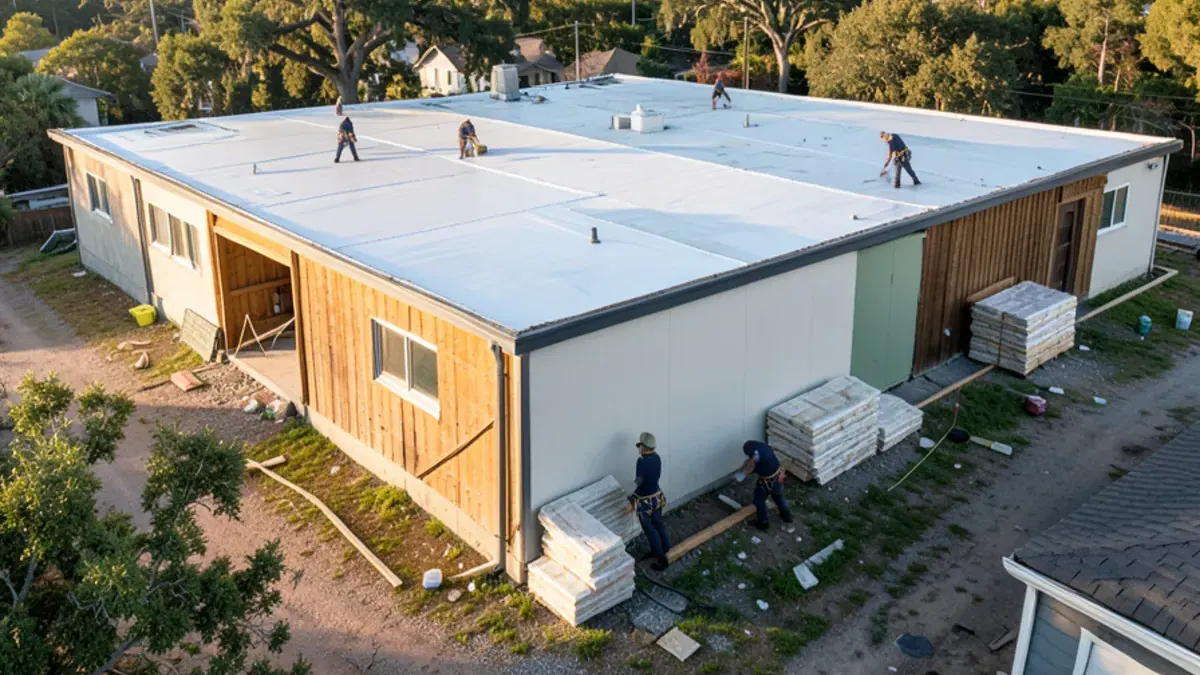
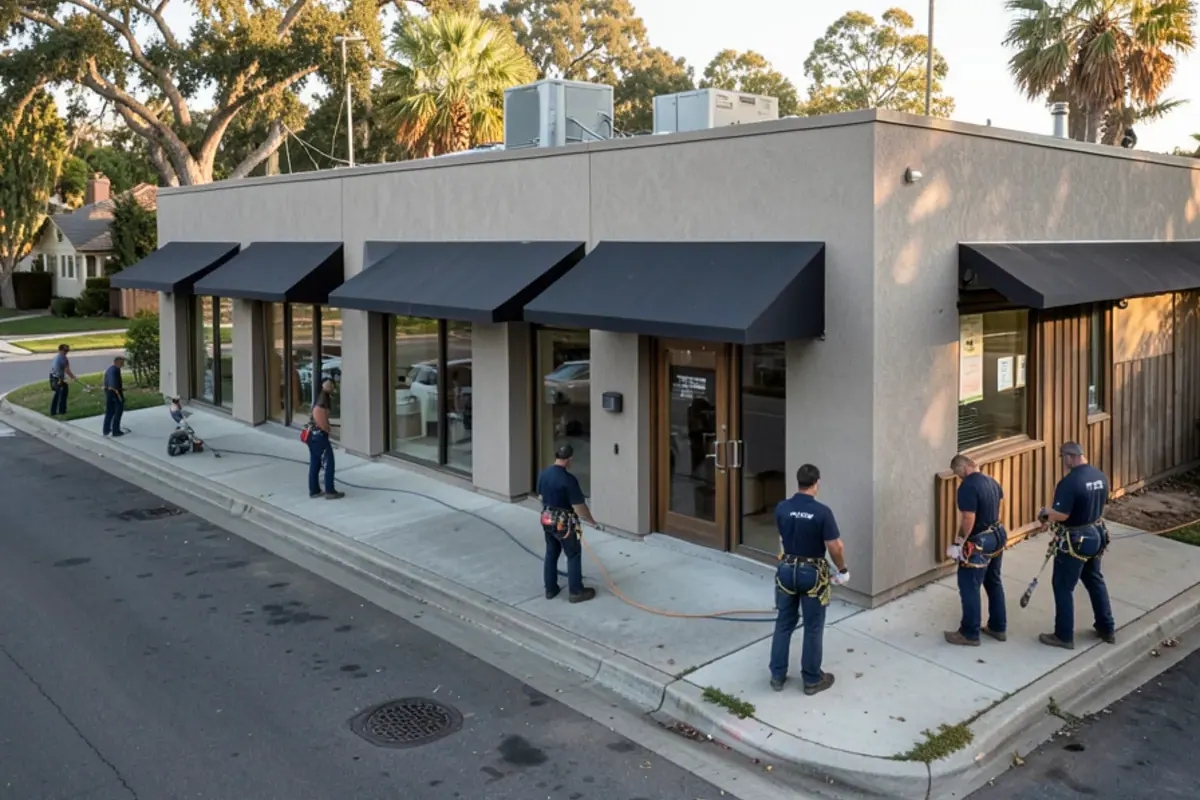
Campbell's commercial stock is mostly low-rise: one- and two-story offices and medical suites along Winchester Boulevard, Hamilton Avenue and Bascom Avenue, neighborhood retail strips, and scattered light-industrial and flex buildings. Nearly all of it sits under low-slope roofs hidden behind parapets, with mechanical equipment on top.
- Office building roofing: single-ply and modified bitumen roofs crowded with HVAC units, vents and screen walls.
- Medical and dental buildings: occupied all day, sensitive to noise, odor and any water reaching treatment rooms.
- Retail roofs: strip centers where restaurant exhaust, tenant signage and tenant-installed equipment add penetrations.
- Warehouse roofing: large, simple roofs where coatings or recover systems can make financial sense.
- Townhome and condo communities: shared roofs under HOA management, with owners, boards and residents to keep informed.
- New buildings, additions and ADUs: roofs installed on a builder's schedule and inspection sequence.
Which commercial roof systems do we install?
| System | Where it fits | Notes for owners |
|---|---|---|
| TPO single-ply | Offices, medical buildings, warehouses | White, reflective, heat-welded seams; common for Title 24 cool-roof compliance |
| PVC single-ply | Restaurants and retail with grease exhaust | Resists grease and many chemicals; welds well in later repairs |
| Modified bitumen | Smaller buildings, roofs with frequent foot traffic | Multi-ply and durable; cool-rated cap sheets available |
| Silicone or acrylic coatings | Sound, dry existing roofs | Restores and reflects without a tear-off; needs renewal on schedule |
| Metal panels | Canopies, mansards and steeper sections | Panels can be formed on site to fit long runs |
The same systems appear on homes; our flat roofing pages explain the membranes in more detail. On commercial buildings, the deciding factors shift toward tenant disruption, equipment density, energy code and how long ownership plans to hold the building.
Questions about commercial roofing?
Call first for the quickest answer, or request a free written estimate below.
Request a free written estimate
Fastest answer: call (725) 745-8803. Or send the details below and we will call you back.
Working on occupied offices, clinics and storefronts
Most commercial roofs we touch have people working under them. Planning around that is part of the job, not an afterthought.
- We agree on work hours, noisy tasks and roof access with the property manager before anyone climbs.
- Adhesives, primers and torch work are kept away from fresh-air intakes, and we ask for intakes to be shut down when needed.
- Old roofing comes off only in sections that can be dried-in the same day.
- Entrances, walkways and parking under the work area are protected or cordoned off.
- Debris is lowered, not thrown, and hauled out daily.
Can you work around HVAC units, screen walls and parapets?
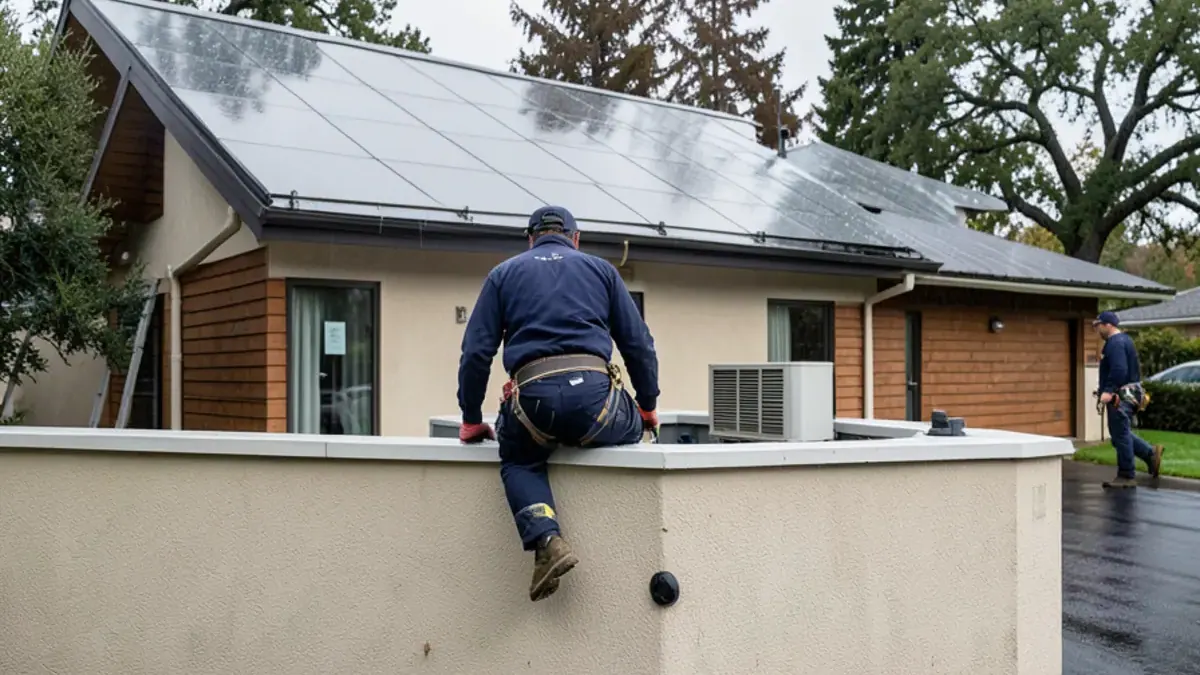
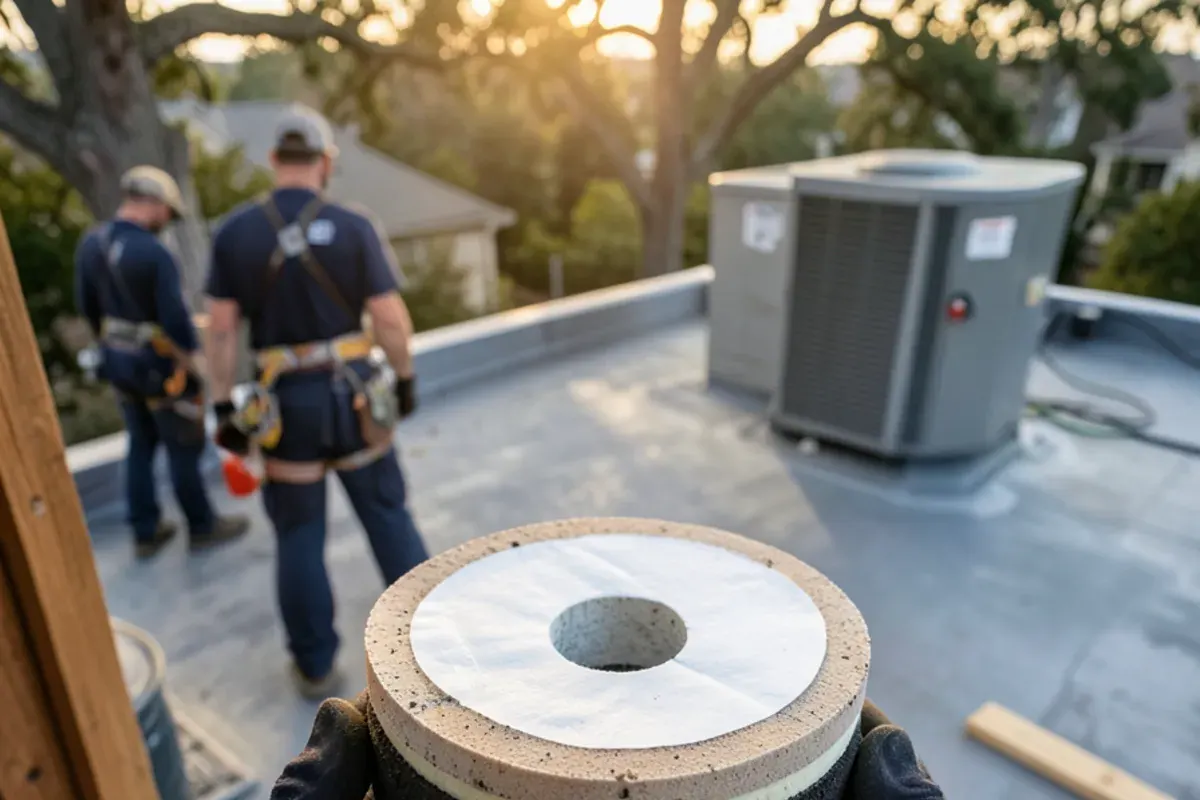
Yes, and that is where most commercial leaks start. Rooftop units sit on curbs that must be flashed into the roof; their condensate lines, gas pipes and electrical conduit add more penetrations. Screen walls that hide equipment from the street are often framed straight through the membrane. Parapets need cap flashing on top and base flashing at the roof line, and the stucco between them cracks.
We coordinate with your mechanical contractor when units must be lifted or disconnected, flash curbs and supports to the membrane manufacturer's details, and re-seal parapet caps so water cannot run down inside the wall.
Warning signs on a commercial low-slope roof
- Stained ceiling tiles near rooftop units or along exterior walls.
- Water standing around drains or curbs a day or two after rain.
- Cracked stucco or loose caps on parapets.
- Blisters, open seams, or membrane shrinking and pulling at corners.
- Rust at scuppers, gutters and equipment stands.
- Tenant equipment bolted down without flashing.
Repair, coat or replace: how we help property managers decide
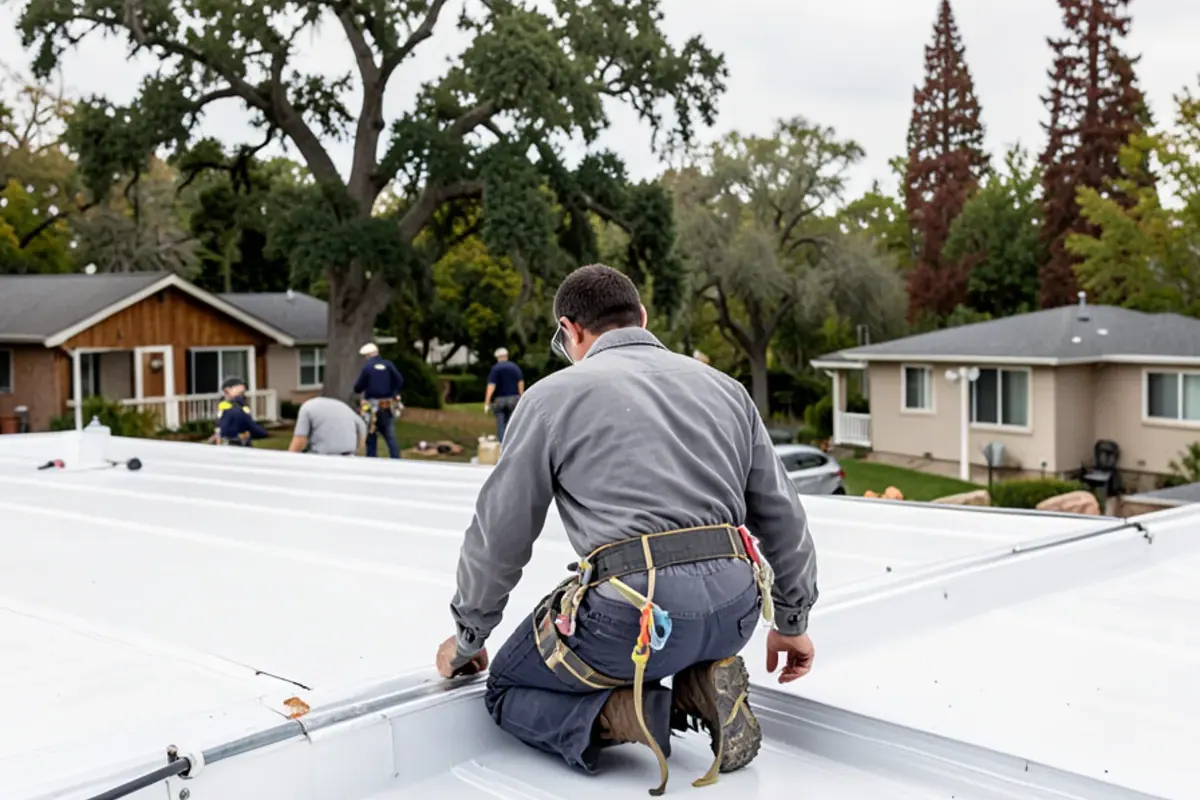
Ownership needs a number and a reason. We walk the entire roof, photograph each defect, check for wet insulation and count the existing layers, then lay out the options side by side.
- [Commercial roof repair](/commercial-roofing/commercial-roof-repair/) when the leaks are local and the membrane still has life: curbs, drains, seams, parapets.
- Coating when the roof is dry and attached but weathered, to add service life and reflectivity without a tear-off.
- [Commercial roof replacement](/commercial-roofing/commercial-roof-replacement/) when leaks are widespread, insulation is wet or the roof has reached the end of its life, phased so tenants keep working.
Our commercial projects have included leak repair on medical and office buildings and a silicone coating on a flat office roof, so we have seen all three paths play out.
Property manager roofing: inspections, records and maintenance
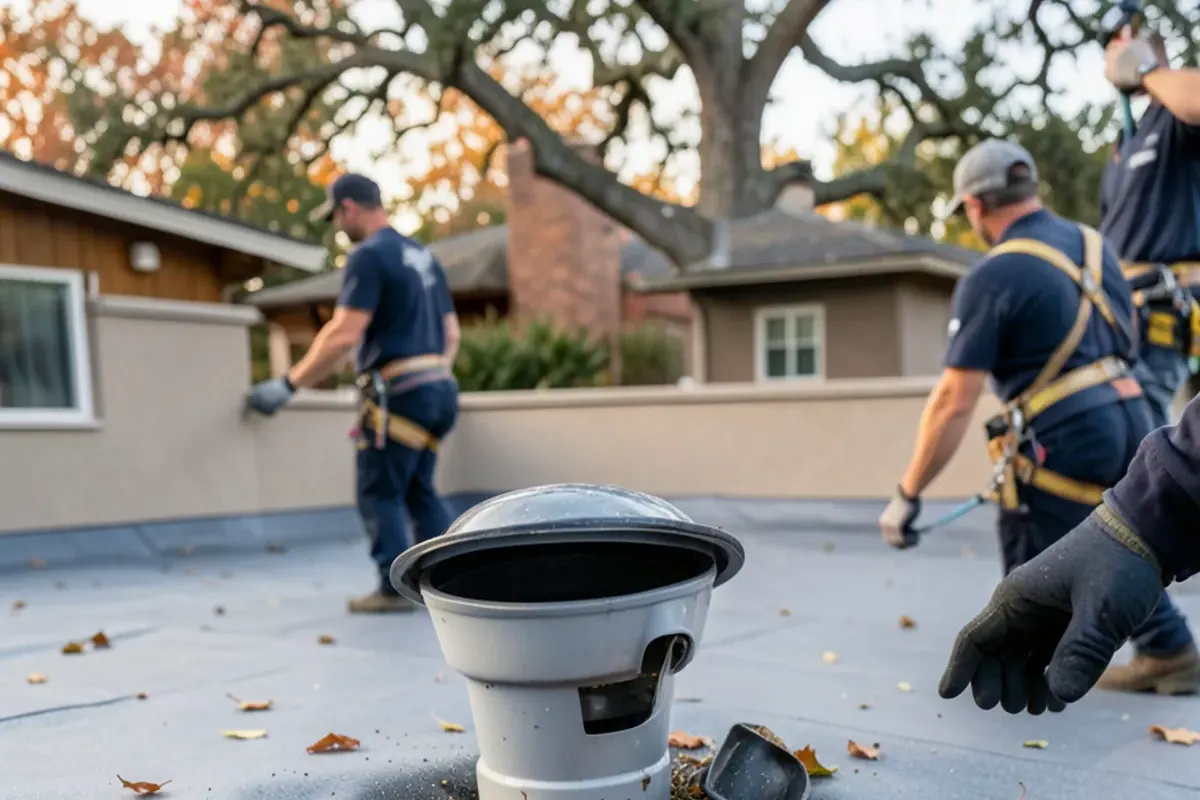
A commercial roof lasts longer when someone looks at it on purpose. We offer periodic inspections that cover drains, curbs, seams, parapets and any tenant-added equipment, with a photo report you can file or forward to ownership. Clearing drains before the November-to-March rains and after big wind events heads off most emergency calls.
Our guide to roof maintenance plans for property managers explains what a good inspection schedule covers and how to budget for it.
HOA communities, apartments, ADUs and new buildings
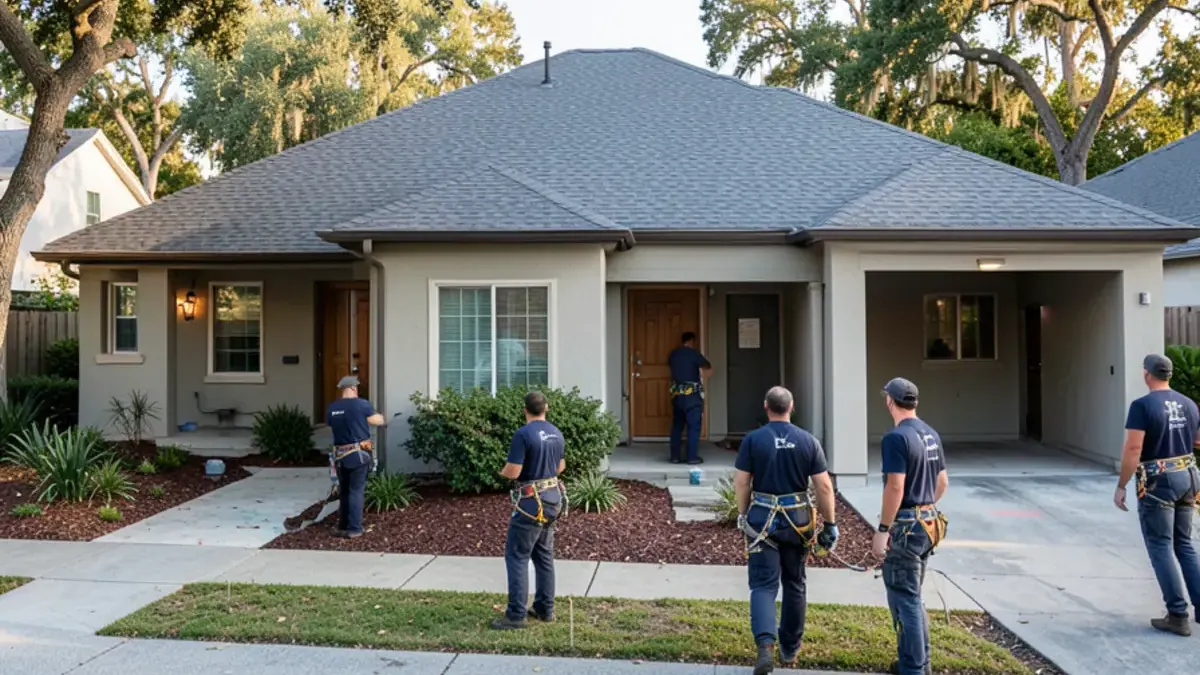
Townhome rows and condo buildings bring their own challenges: shared roofs, reserve budgets, and residents who need notice before crews arrive. Our work includes shared townhome roofs replaced in one project for neighboring owners, and our HOA and multifamily roofing page explains how we bid and phase those projects for boards.
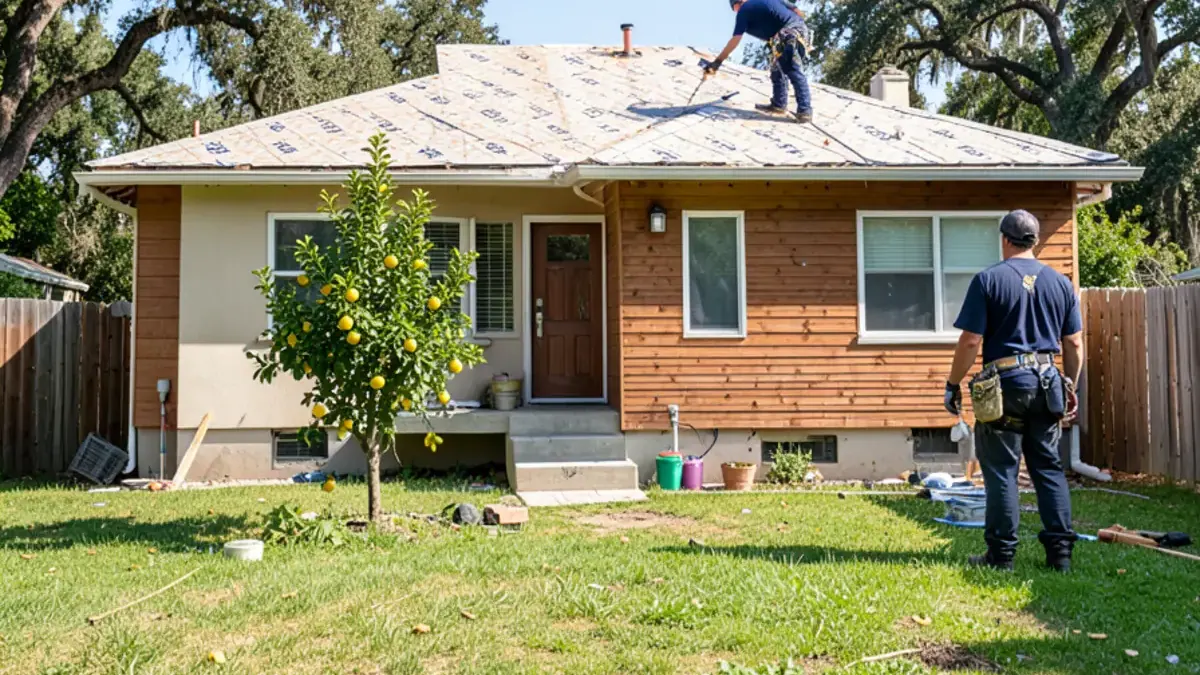
California's ADU laws have also put a small new roof in many Campbell backyards. Builders and owners can schedule us for new construction and ADU roofing around framing and inspection milestones.
Why property managers call a family-run roofer
We are a family-run company, so the person who walks your roof stays involved through closeout. Inspections and estimates are free, written and itemized, with photos ownership can review without climbing a ladder. We recommend repair or coating when the roof still has life, keep occupied sites clean every day and welcome small calls alongside full reroofs. After a storm, we document the damage in a form the building's insurer can work from.
Commercial roof costs, permits and Title 24
We price commercial work from a measured roof and a written scope. The main cost drivers are roof area, how many old layers come off, wet insulation discovered during core sampling, equipment curbs and penetrations to flash, crane or lift needs, phasing for occupied tenants, and code-driven items such as insulation and cool-roof surfaces.
Two bids for the same building can sit far apart when one includes core samples, tapered insulation and curb raises and the other leaves them out. Ask every bidder to state the existing layers, the insulation plan, the membrane thickness and the number of curbs and drains included; our written scope lists each one so ownership can compare line by line.
Reroofs in the City of Campbell are permitted through MyGovernmentOnline; buildings on unincorporated county land go through Santa Clara County Planning and Development. California's Title 24, Part 6 sets cool-roof and insulation requirements that often apply to low-slope commercial reroofs, and we confirm them with the plan reviewer. For pitched residential work, see our roof replacement services.
Under Title 24 the default target for a commercial low-slope reroof is a CRRC-rated surface with 0.63 aged reflectance and 0.75 emittance, unless added insulation earns a trade-off. Any commercial roofing contract of $1,000 or more requires a CSLB license, and crews on the roof work under Cal/OSHA construction safety orders for fall protection, so ask each bidder how edges and skylights will be protected.
Property manager with a leak or a roof report due? Call (725) 745-8803 to schedule a commercial roof walk.
Call (725) 745-8803