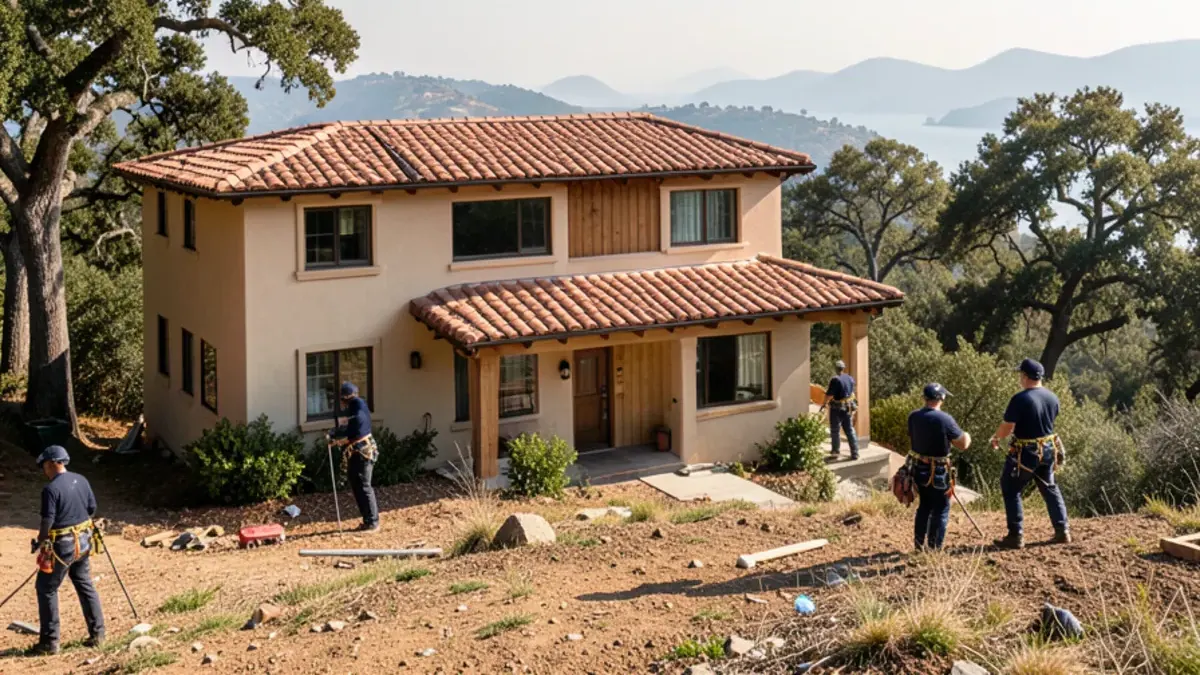
Re-felt or new tile: which project does your roof need?
Clay and concrete tiles themselves can outlast several layers of the felt underneath. On many South Bay tile roofs from the 1980s through the 2000s, the tiles still look good from the street while the underlayment below has dried out, cracked at the laps and started letting winter rain through to the deck.
- Re-felt when most tiles are intact, the profile is still available for replacing broken pieces, and the leaks trace to underlayment, flashing or battens.
- New tile when a large share of tiles are cracked, the profile is discontinued, you want a different color or profile, or the home is moving from shingle or shake to tile.
- Another material when the framing cannot carry tile weight or you want a lighter roof for seismic or solar reasons; see our metal roofing and shake roof replacement options.
Warning signs under a tile roof that still looks fine
Tile hides its own failure. The clay or concrete sheds most of the water, the underlayment catches what blows past the laps, and the first sign is often a ceiling stain rather than anything visible on the roof. Summer attic heat dries that felt year after year, and the damage shows in the first long storm of the wet season.
- Stains that appear only after multi-day storms, not quick showers, which points to felt that leaks once soaked.
- Slipped or cracked tiles exposing felt to the sun, often along paths where painters or dish installers walked.
- Crumbling felt at the eave that breaks when pressed, visible behind the first course.
- Cracked mortar or loose ridge pieces that can shift in a quake or strong wind.
- Leaves packed into valleys and behind chimneys, backing water up under the pans.
- Birds or rodents nesting in open barrel ends that never got bird stops.
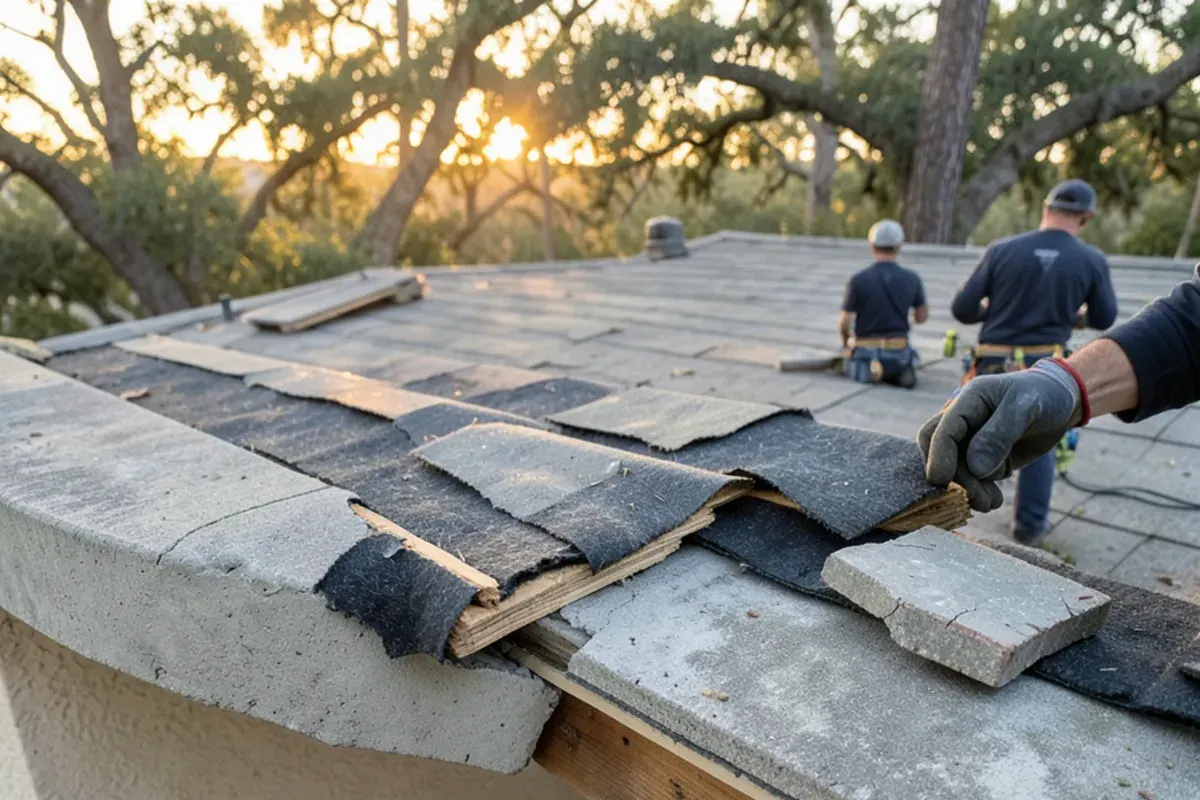
Questions about tile roofing?
Call first for the quickest answer, or request a free written estimate below.
Request a free written estimate
Fastest answer: call (725) 745-8803. Or send the details below and we will call you back.
Can your house structure carry a tile roof?
Standard concrete and clay tile weigh several times what an asphalt shingle roof does. A home built for tile, such as many Spanish-style and Mediterranean houses in Los Gatos, Saratoga and newer San Jose tracts, has rafters sized for that load. A 1960s Campbell ranch home built for shingles usually does not.
The City of Campbell notes that roofing heavier than the existing roof may need an engineer's review before the permit is issued. Lightweight concrete tile reduces the load and sometimes avoids reinforcement, but the engineer, not the brochure, makes that call. In earthquake country, the fastening of each tile and of hip and ridge pieces matters as much as the weight; our article on earthquake country roofing with chimneys and heavy tile goes deeper.
Permits, engineering and fire rules for tile
A re-felt and a new tile roof are both reroofs, so the City of Campbell wants a MyGovernmentOnline permit pulled by a C-39 roofer or an owner-builder, a sheathing nailing inspection while the deck is open, and a final; registered historic homes go through Planning first. The California Residential Code sets 2½:12 as the minimum slope for clay and concrete tile and calls for double underlayment up to 4:12. Most clay and concrete tile carries a Class A rating, which helps hillside homes in CAL FIRE-mapped zones meet wildfire-area roofing rules, though vents and eave closures count too. Outside city limits, check with your town or the County about which office holds the permit.
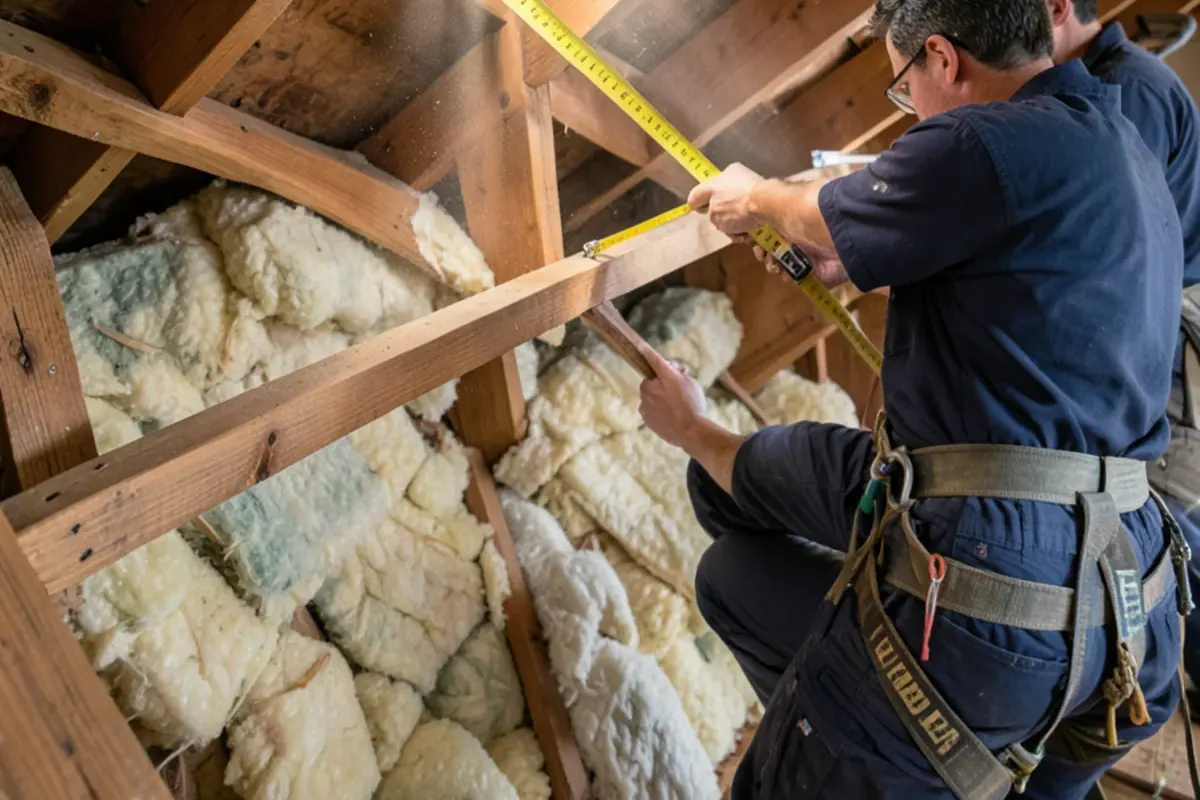
Tile roof re-felt in Campbell, step by step
- Inspect and photograph the roof, counting broken tiles and checking whether the profile can still be sourced.
- Lift the tiles in sections and stack them on the roof or in the yard, sorting out cracked pieces.
- Remove the old felt and battens, and replace any dry-rotted sheathing before the city's nailing inspection.
- Install new underlayment, new battens or a raised batten system, and new flashing at walls, valleys, chimneys and pipes.
- Relay the original tiles, replacing broken ones with matching or close-match pieces, and fasten them to current practice.
- Rebuild hips and ridges, set eave closures or bird stops, and clean up for the final inspection.
A re-felt keeps the look of the house and the embodied value of the tile, while replacing the parts that actually keep water out.
Clay tile roof installation versus concrete tile
| Tile type | Look | Weight | Notes |
|---|---|---|---|
| Clay (barrel or S-tile) | Classic Spanish tile roof | Heavy | Color is fired in and holds; brittle underfoot |
| Standard concrete tile | Flat, S or barrel profiles | Heaviest common option | Wide color range; surface color can weather |
| Lightweight concrete tile | Similar profiles | Noticeably lighter | Useful when moving from shingle to tile |
| Synthetic slate roofing | Slate look, thin profile | Light | Composite product; check fire rating of the assembly |
For a concrete tile roof replacement on a 1990s tract home, matching the neighbors often decides the profile. For a true Spanish revival house, clay barrel tile is usually the only choice that looks right.
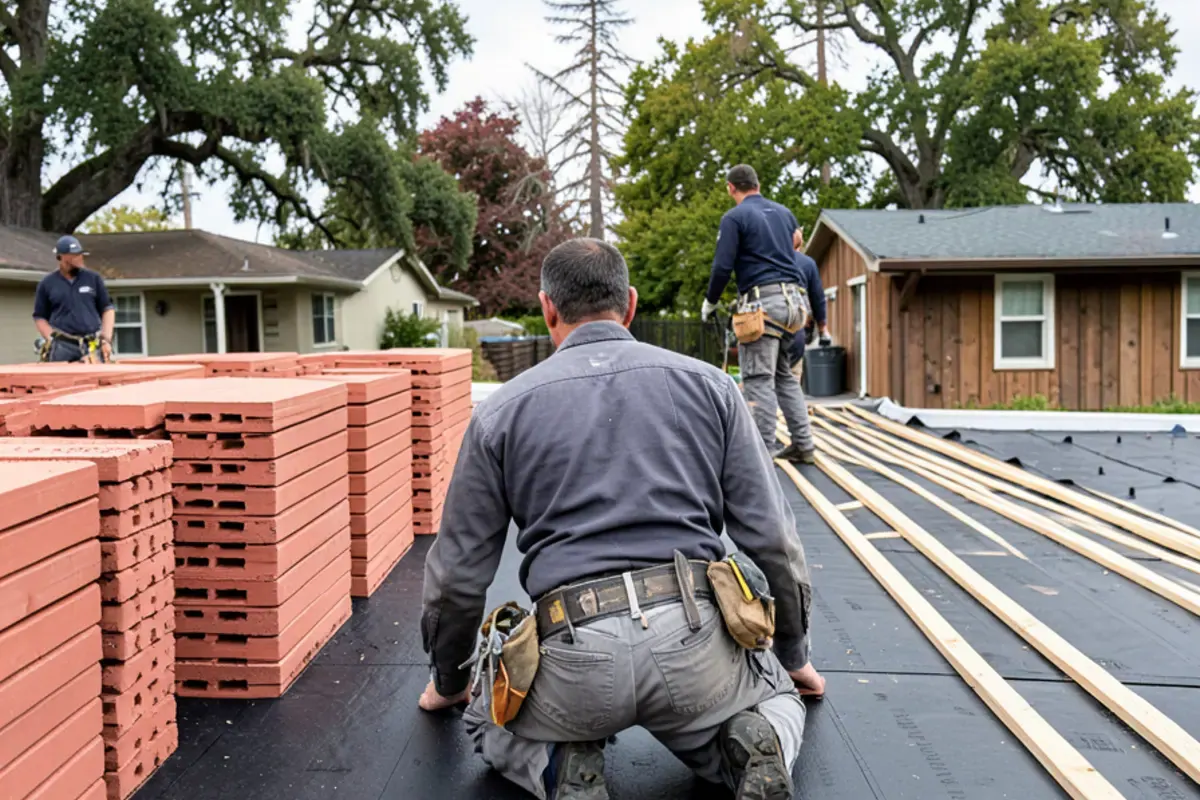
Details that keep a Spanish tile roof dry
Most tile leaks we are called to look at come from the transitions, not the field of tile. On a new install or re-felt, these get the most attention:
- Valleys: wide metal valleys kept clear, because leaves and needles dam water under the tiles.
- Headwalls and sidewalls: pan flashing and counter flashing that direct water onto the tile, not behind it.
- Eaves: bird stops or eave closures that keep birds and rodents from nesting in the open ends of barrel tile.
- Penetrations: vent pipes and skylights flashed to the underlayment, with tiles cut to fit around them.
- Hips and ridges: set on a ridge board with flashing or mortar, fastened so they do not slide in a quake.
Why tile owners call our family-run crew
The free estimate comes with photos of broken and slipped tiles, the flashing and whatever felt we can see, and the written estimate states the replacement tile allowance up front. If the trouble is one valley or a cracked headwall flashing, we quote tile roof repair instead of a re-felt. Lifted tiles are stacked and protected, and crews clear broken pieces and old felt at the end of each day.
What affects tile roof cost in Campbell?
Tile projects vary more than shingle projects. The written estimate breaks out the factors that apply to your roof:
- Re-felt versus all-new tile, and how many replacement tiles a re-felt needs
- Whether matching tiles can be found, salvaged or must be blended from a close profile
- Engineering and any framing reinforcement for a switch to tile
- Underlayment system, batten type and flashing metal
- Roof pitch, height and how many hips, valleys and chimneys the roof has
- Hauling and disposal of heavy broken tile and old felt
Re-felts carry one variable that shingle jobs do not: the replacement tile count. Older concrete tile can break as it is lifted, and a discontinued profile may mean salvaging pieces from a rear slope or garage to keep the street side matched. Stacked tile has to be spread so no one area of framing is overloaded, and steep or two-story tile roofs take more staging. Each of these appears as its own line on the estimate.
Not sure whether your tile roof needs a re-felt or a new roof? Ask us to look and send photos.
Call (725) 745-8803