Standing seam, stone-coated steel and metal shingles compared
Three metal systems cover most residential requests in the South Bay. They differ in look, fastening and how they handle solar.
| System | Appearance | Fastening | Good to know |
|---|---|---|---|
| Standing seam | Long vertical panels with raised seams | Concealed clips under the seams | Clean modern look; solar clamps attach to seams |
| Stone-coated steel | Textured panels resembling shake, tile or shingle | Fastened through panels to battens or deck | Quieter look for traditional streets; lighter than tile |
| Metal shingles | Individual interlocking pieces | Concealed fasteners on most lines | Good for complex roofs with many hips |
| Exposed-fastener panels | Ribbed agricultural style | Screws through the face | Common on sheds and barns; screws need periodic attention |
If you like the look of shingles but want a lighter, longer-lived alternative to heavy tile, stone-coated steel is often the middle ground.
When a metal reroof beats another round of shingles
Metal costs more on day one, so it earns its place when a specific reason applies. These are the cases where switching usually makes sense on a South Bay house:
- A mapped fire hazard zone, with cedar shake or a shingle overlay on the roof now.
- Solar on the way, and you want a surface that outlasts the array without a mid-life panel removal.
- A second shingle tear-off coming due on a house you plan to keep.
- Framing too light for tile, but a tile or shake look suits the street; stone-coated steel fills that gap.
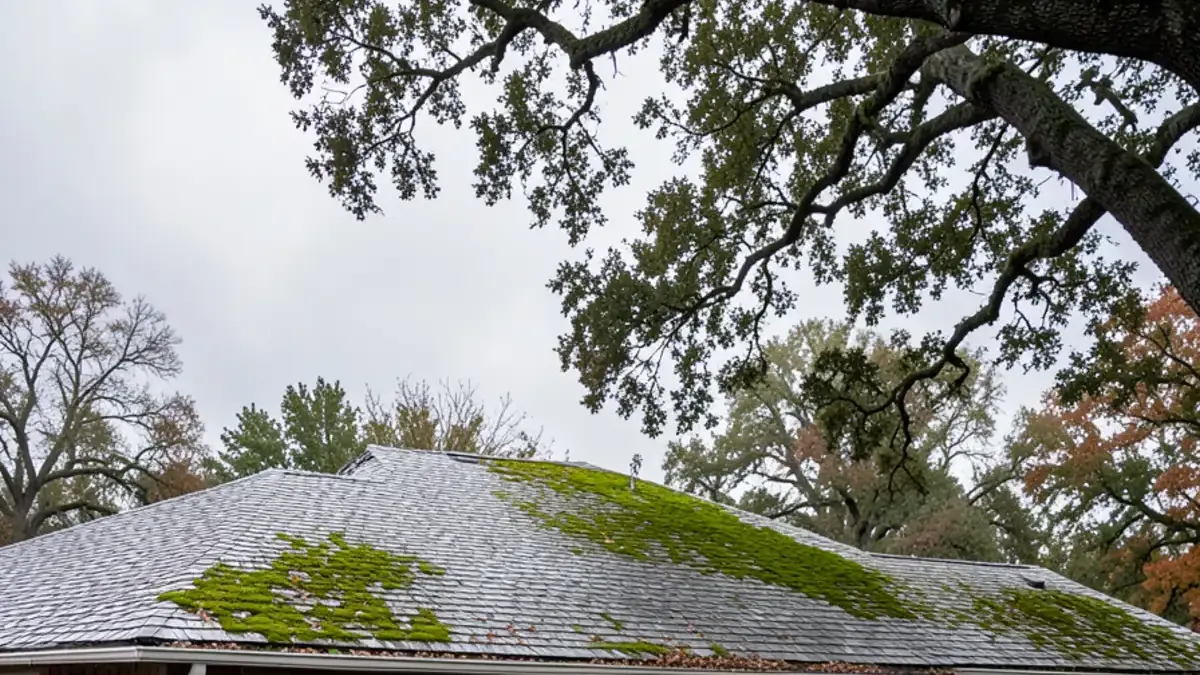
- Moss on shaded slopes under oaks or redwoods, where shingles stay damp and metal sheds litter.
An existing metal roof needs replacing rather than repair when rust has spread from cut edges into the panel field, when exposed-fastener holes have stretched so new screws no longer seal, or when panels lift at the clips after years of heat movement. We photograph each condition so you can see whether a fastener refresh will do.
Questions about metal roofing?
Call first for the quickest answer, or request a free written estimate below.
Request a free written estimate
Fastest answer: call (725) 745-8803. Or send the details below and we will call you back.
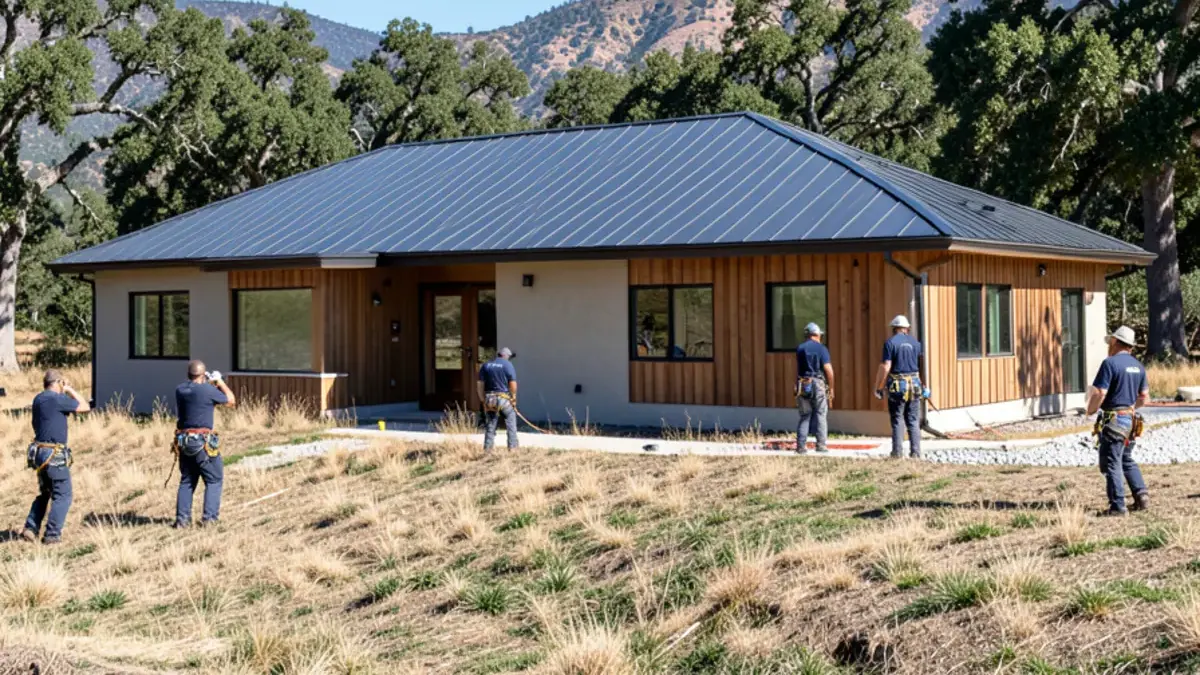
How a standing seam metal roof goes on a Campbell home
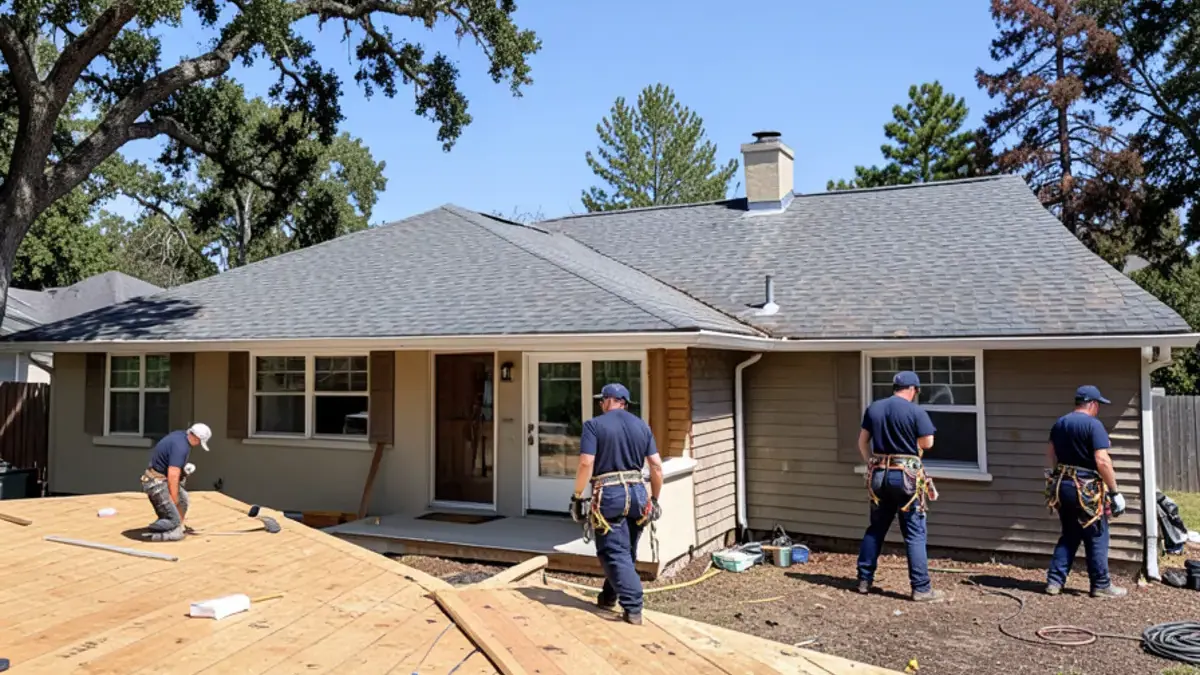
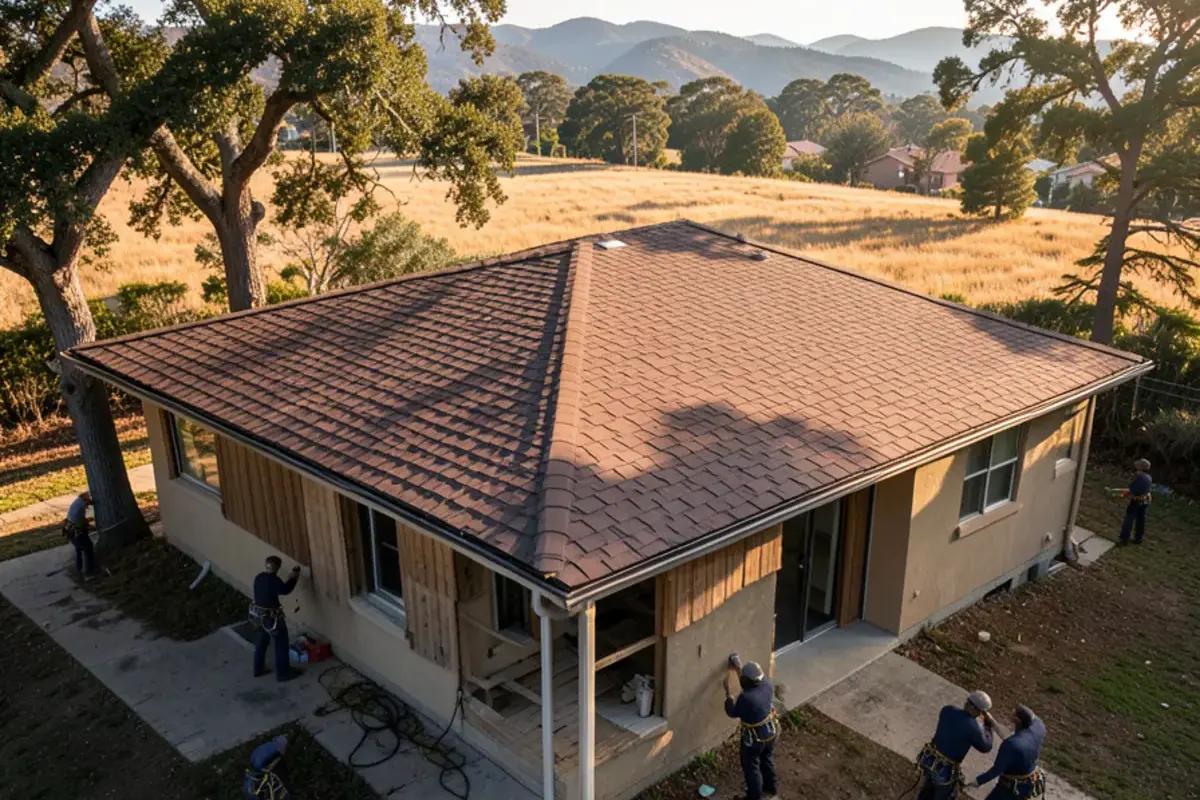
- Tear off the old roof, replace dry rot and have the city inspector check the deck nailing.
- Lay high-temperature underlayment rated for use under metal, which sees more heat than shingles in our summers.
- Install eave trim, rake trim, valley pans and wall flashing before the panels.
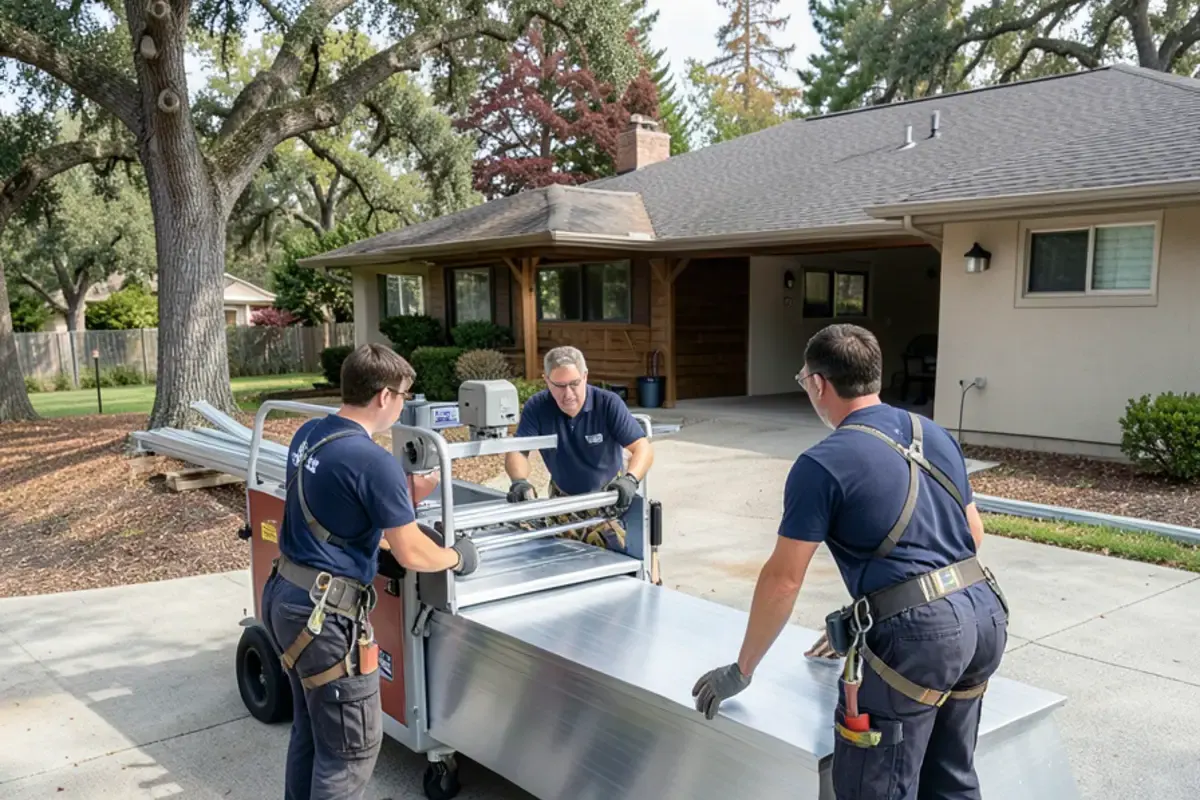
- Form panels on site from coil, cut to the exact run of each slope so there are no end laps to leak.
- Clip and seam the panels, cut and flash around vents and chimneys, and close the ridge with vented or solid closures.
- Clean up metal trimmings and screws daily, then call for the final inspection.
Forming panels on site reduces waste and avoids waiting on factory lengths. It also means a single panel can run from ridge to eave on a typical ranch home.
Why metal jobs come to us
Because we form standing seam panels on site, each run is cut to your slope instead of ordered from a factory list, and a late measurement change does not stall the job. We are family-run, the free estimate includes photos of your current roof and attic, and the written estimate separates panels, trim, underlayment and vent work. If an existing metal roof needs only fasteners and sealant, we price that repair, and one-off custom flashing pieces are welcome too.
Galvalume roof or painted steel?
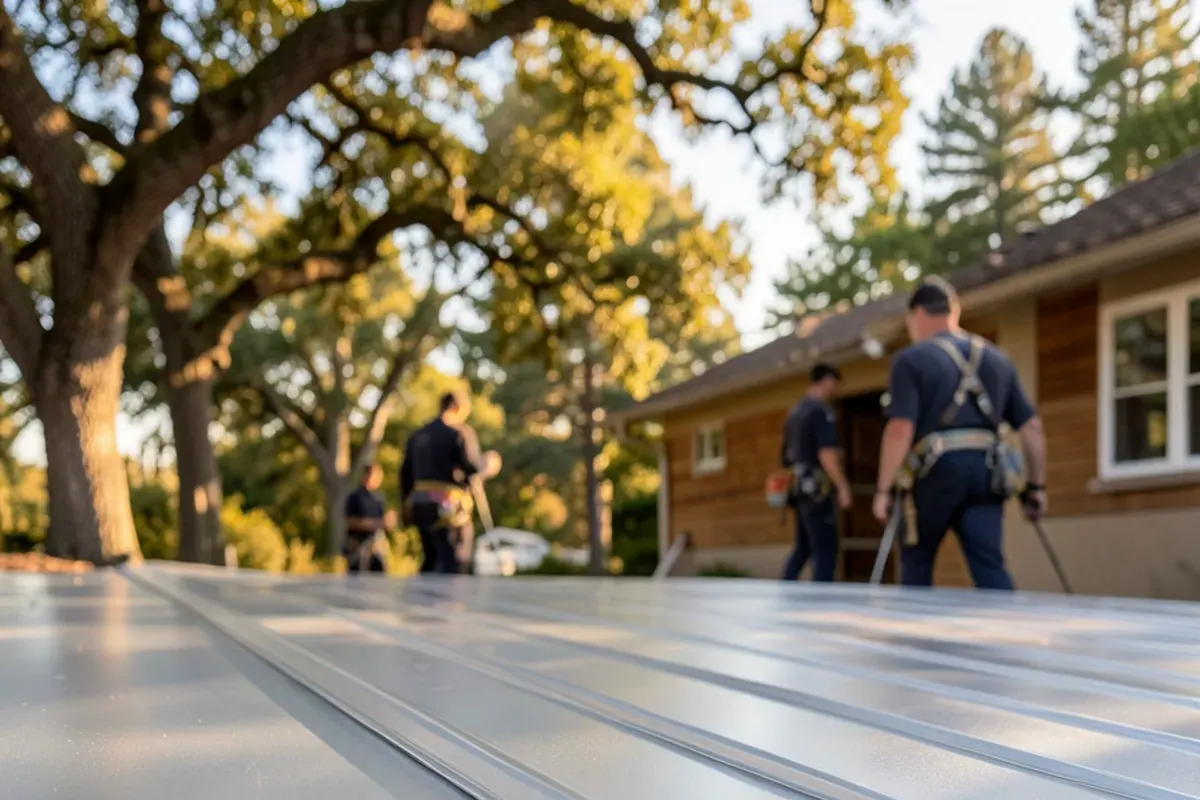
Galvalume is steel coated with an aluminum-zinc alloy. Bare Galvalume has a soft silver finish that dulls slightly with age and reflects a lot of summer sun. Painted steel adds a factory finish in dozens of colors, from charcoal to bronze to muted greens that sit well under oaks.
- Gauge: thicker steel resists denting and oil-canning; 24-gauge is a common residential choice.
- Finish: painted finishes come with the manufacturer's own finish terms for fade and chalk.
- Reflectance: many metal colors carry cool roof ratings, which can help with Title 24 requirements; our cool roofs page explains how ratings work.
- Contact with other metals: copper flashing and some pressure-treated lumber should not touch Galvalume, so trim and fasteners must match.
Is metal a good fit for a fire-zone home in the foothills?
CAL FIRE's hazard severity maps cover hillside sections of Los Gatos, Saratoga and Monte Sereno and large stretches of the Santa Cruz Mountains. In those zones, Chapter 7A of the California Building Code expects a Class A rated roof assembly plus vents that resist embers. Many metal roof systems reach Class A when installed over the specified underlayment, and metal does not hold embers in gaps the way old split shake does.
The rating applies to the tested assembly, not the panel alone, so we confirm the manufacturer's Class A listing for the exact underlayment and deck before ordering. If you are replacing an old cedar roof in a mapped zone, compare metal with our shake roof replacement options, which include fire-rated synthetic shake.
Permits and vent rules that come with a metal reroof
Campbell treats a metal reroof like any other: one MyGovernmentOnline permit per building, a deck nailing inspection and a final. Under Chapter 7A, attic vents in mapped zones must be listed ember-resistant units or carry noncombustible mesh with openings between 1/16 and 1/8 inch, so vent changes are priced with the roof. The California Residential Code allows standing seam systems down to a quarter inch per foot, yet each panel maker sets its own minimum pitch, and that is the number we follow. Before signing with any roofer, check the C-39 license with the CSLB.
Metal roof repair in Campbell: what fails and why
Metal roofs are durable, but they have their own weak points. Typical repairs we handle:
- Backed-out or rusted screws on exposed-fastener panels, replaced with new gasketed fasteners
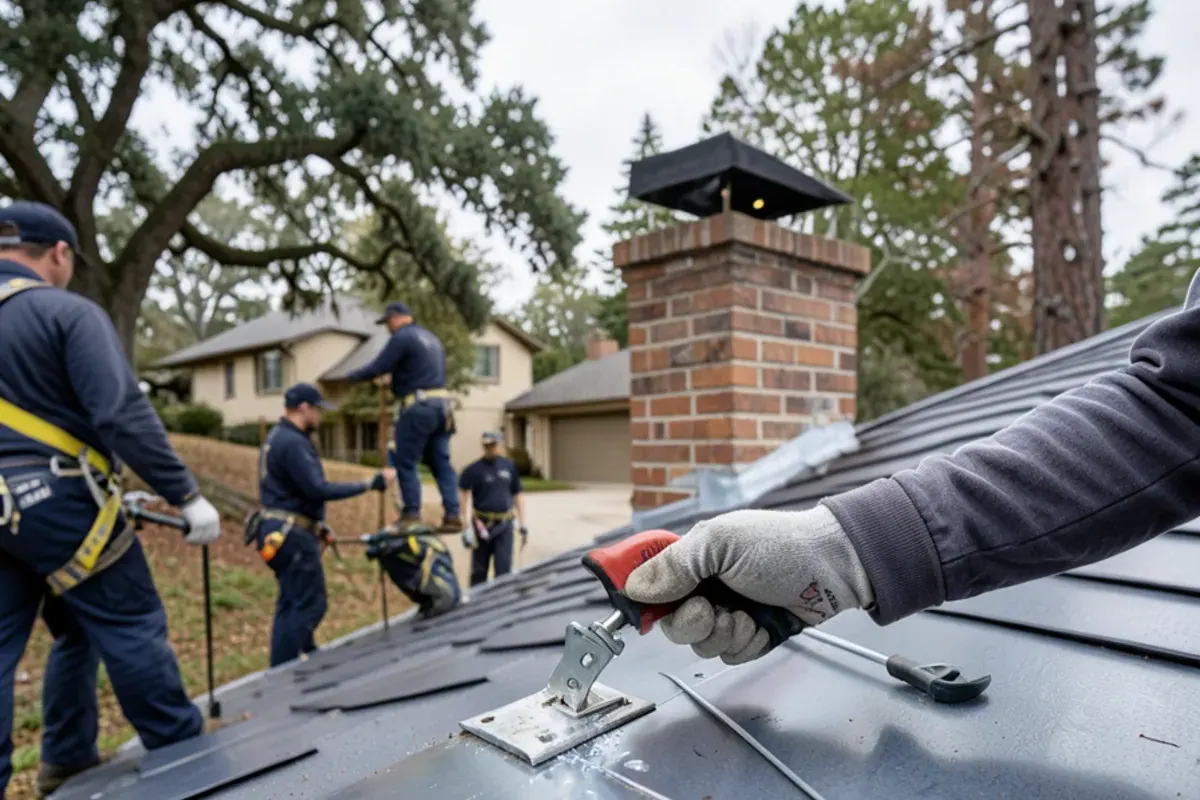
- Dried sealant at ridge closures, pipe boots and chimney flashing
- Lifted or bent trim after winter wind
- Leaks at skylight curbs and wall transitions where flashing was face-sealed instead of properly lapped
- Scratches and cut edges that have started to rust, cleaned and touched up
Small metal jobs are welcome; we also cut and bend custom flashing pieces for repairs.
Why does metal roof cost in Campbell differ from shingles?
Metal costs more up front than architectural shingle on most homes. The gap depends on these factors, all itemized on your estimate:
- System type, steel gauge and finish (bare Galvalume versus painted)
- Roof complexity: every hip, valley, dormer and skylight adds trim and labor
- Underlayment rated for metal and any solid sheathing needed over old skip boards
- Chimney and wall flashing fabricated to fit
- Whether an existing solar array must be detached and reinstalled by your solar company around the reroof
Over the life of the house, the comparison changes. A shingle roof on a sunny Campbell slope may need replacing once or twice in the span a well-installed metal roof keeps working, and each future tear-off brings its own permit, disposal and disruption. We lay out both options on paper so you can weigh the up-front number against how long you plan to stay.
Considering standing seam or stone-coated steel? Ask for a written comparison against shingles.
Call (725) 745-8803