
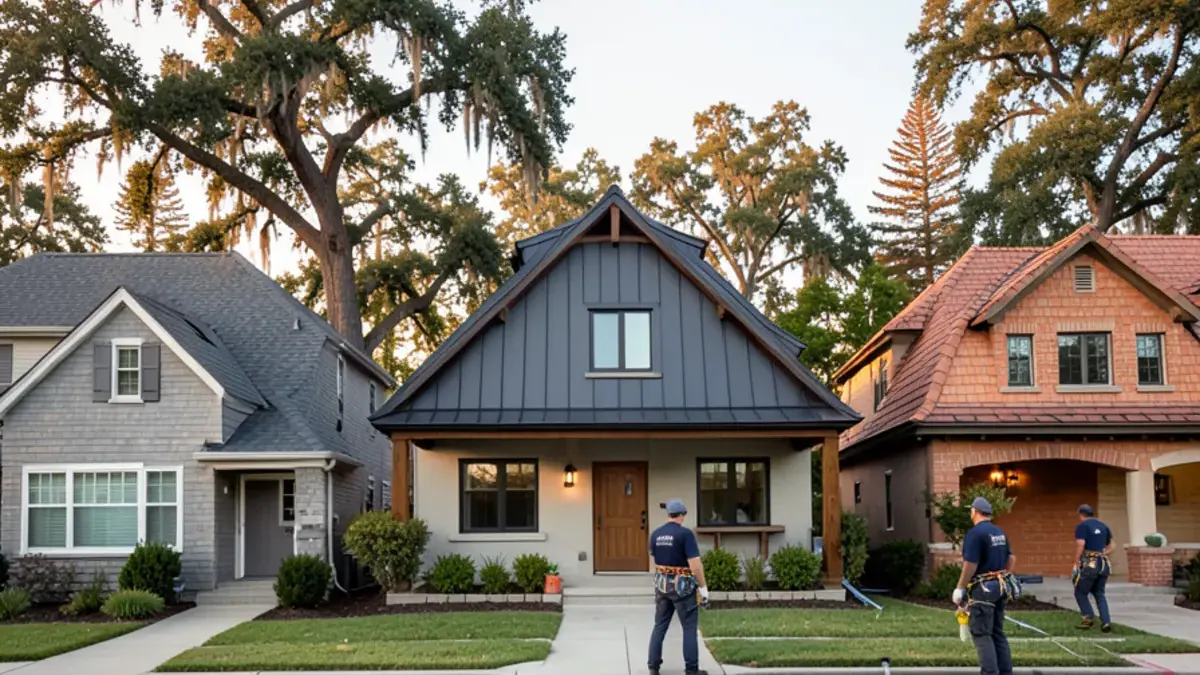
Shingle vs. metal vs. tile roof: side by side
The table compares the three in relative terms. Actual prices depend on roof size, pitch, tear-off layers, decking repairs and the specific product, so treat any number you see online as a starting point and confirm against your written estimate.
| Factor | Asphalt shingles | Metal | Tile (concrete or clay) |
|---|---|---|---|
| Upfront cost | Lowest of the three | Higher | Usually highest, especially clay |
| Expected service life | Shortest of the three | Long | Longest for the tile itself; underlayment beneath ages sooner |
| Weight | Light | Lightest | Heaviest; framing may need engineering review |
| Fire rating | Class A on most products | Class A as a rated assembly | Class A on most concrete and clay tile |
| Rooftop solar | Standard mounts | Clamp-on mounts on standing seam, no drilling | Special hooks; tiles can break during install |
| Cool-roof options | Cool-rated colors available | Reflective factory finishes | Light-colored and cool-rated tiles |
| Repairs | Simple and inexpensive | Panel-specific; match finish | Tiles crack if walked on incorrectly |
| Look | Fits ranch and traditional homes | Modern, farmhouse or standing seam lines | Spanish, Mediterranean, Mission styles |
Weighing materials? Ask for two options priced side by side on one written estimate: (725) 745-8803.
Call (725) 745-8803Asphalt shingles: why most ranch homes stay with them
Much of Campbell's housing went up in the 1950s through the 1970s as single-story ranch homes framed for light roofs, and plenty of them are wearing a second or third roof by now. Architectural asphalt shingles drop onto that framing without changes, cost the least to install and are easy to repair after a windstorm. Our past shingle jobs have used Owens Corning lines including Duration and TruDefinition Cool Plus, the latter a cool-rated shingle that helps with Title 24 rules where they apply.
The trade-off is service life. South Bay summers bake shingles with UV and heat for months at a time, which is what ages them, not snow or hail. See our page on asphalt shingle roofing for color, ventilation and underlayment choices.
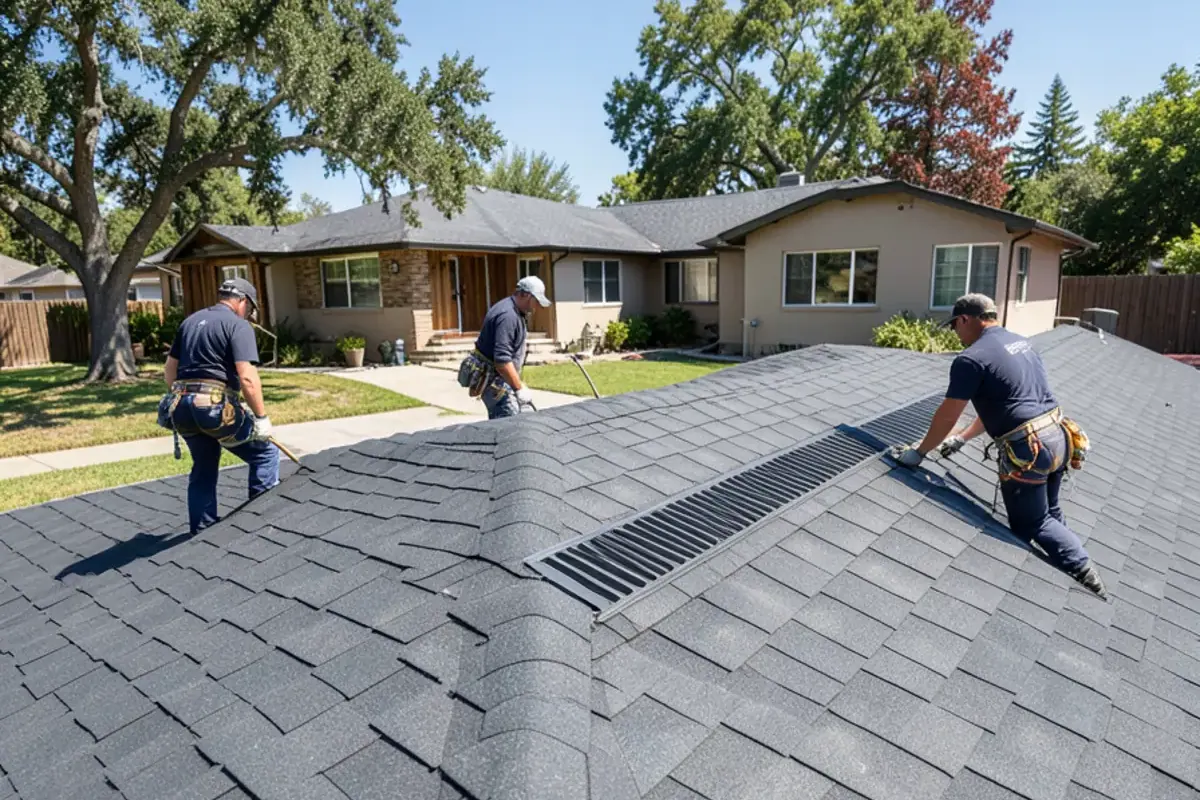
Metal roofing: light weight and long service
Standing seam metal suits homeowners planning to stay a long time, and especially those planning solar. Panels run ridge to eave with raised seams, so solar racking can clamp to the seams instead of drilling through the roof. Metal is also the lightest of the three, which helps on older framing and in earthquake country.
Common worries are noise and dents. Over a solid deck with underlayment, rain noise is similar to other roofs, and hail is rare here. We have formed metal panels on site, which allows long continuous runs without end laps. Our metal roofing page covers panel profiles and finishes.
Steel, aluminum and finish choices
Most residential standing seam here is steel with a Galvalume (aluminum-zinc) coating, often with a factory paint finish on top. Inland South Bay air is easy on it. Closer to the ocean, in salt air around Santa Cruz County, makers publish distance-from-salt-water limits for their coated steel, and aluminum panels are the usual answer inside those limits. Painted finishes vary too: resin systems based on PVDF generally hold color longer in strong sun than standard polyester paints, which matters when you want a cool-rated color to stay cool.
Is tile too heavy for your house?
Concrete and clay tile weigh several times as much as shingles or metal. Homes built for tile carry that load easily; homes built for shingles may not. The City of Campbell notes that switching to heavier roofing than the existing one may need an engineer's review, and other cities apply similar checks, so ask early if you are considering a switch.
On a home that already has tile, the tile is often reusable and the underlayment beneath it is what has failed. A re-lay with new underlayment and flashing can be a sound choice. Earthquakes are the other factor here: the 1989 Loma Prieta quake is remembered for chimney damage, and loose tile on older roofs can slide in strong shaking, so modern fastening matters. See our tile roofing page for re-lay versus new tile.
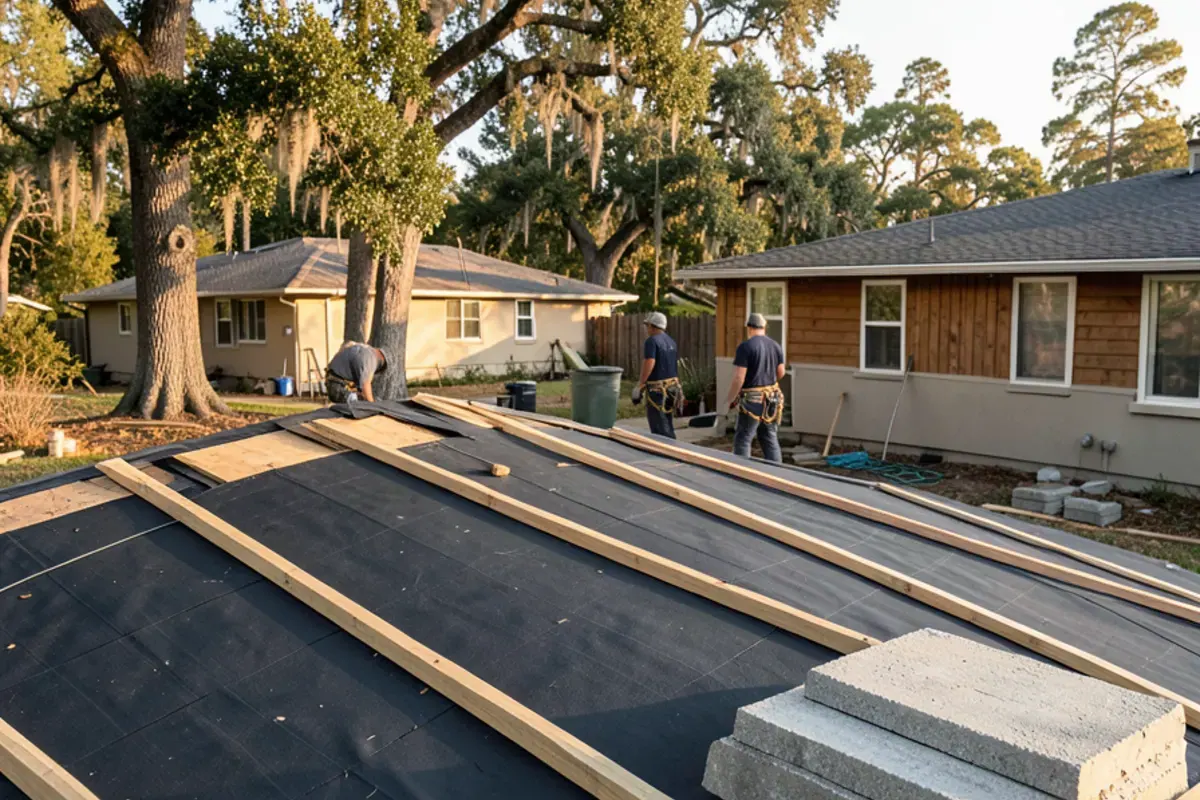
Weight, slope and code limits for each material
Two numbers rule out materials before style comes into it: how much the roof weighs and how steep it is. The International Residential Code, which California's residential code is built on, sets minimum slopes for each roof covering. The weights below are commonly published ranges for typical products, so check the data sheet for the exact one on your estimate.
| Material | Typical weight per square (100 sq ft) | Minimum slope in the IRC |
|---|---|---|
| Asphalt shingles | About 200–400 lb, heavier for thick architectural lines | 2:12, with double underlayment required below 4:12 |
| Standing seam metal | About 100–150 lb for steel panels | 1/4:12 for standing seam systems |
| Lapped metal panels | Similar to standing seam | 3:12, or 1/2:12 with lap sealant |
| Standard concrete tile | About 900–1,100 lb | 2-1/2:12, with double underlayment below 4:12 |
| Lightweight concrete or clay tile | Roughly half of standard concrete or more, by product | 2-1/2:12 |
What the numbers mean on a South Bay house
A low-pitched ranch roof near 3:12 can take shingles with a doubled underlayment or standing seam, but is close to the floor for tile. A ranch framed for a 250-pound-per-square shingle roof that switches to standard concrete tile is asking the rafters to carry several times the dead load, which is exactly why the City of Campbell flags heavier-than-existing roofing for possible engineering review. Going the other way, from tile to metal or shingles, lightens the house and rarely raises a framing question.
Which roof material fits which house?
- Single-story ranch, moderate budget: architectural shingles, possibly a cool-rated color.
- Planning solar within a few years: standing seam metal, or shingles installed before the panels go up.
- Spanish or Mediterranean home already in tile: re-lay the tile on new underlayment, replacing broken pieces.
- Foothill lot in a mapped fire hazard zone: any of the three as a Class A assembly, plus ember-resistant vents.
- Long-term owner who wants low upkeep: metal or tile, accepting a higher upfront cost.
- Selling within a few years: shingles usually return the most per dollar spent.
Homes in San Jose span every era and style, so the same street may hold all three answers. The structure, the existing roof and your plans for solar settle it more than fashion does.
From our roof visits: what decides how long a roof lasts
The surface material gets most of the attention, but the layers under it decide how the roof ages. Undersized attic ventilation cooks shingles from below. Reused, rusted flashing at chimneys and walls leaks on a brand-new roof. Tile roofs fail at their underlayment long before the tiles wear out. Whichever material you pick, ask what underlayment, flashing and ventilation the estimate includes.
Trees matter too. Under oaks and pines, needles collect in tile valleys and behind metal panel seams, and shaded shingles grow moss. Plan for gutter and valley cleaning whatever you choose. Homeowners planning roof replacement in Campbell can ask for two materials priced on one estimate, which makes the comparison concrete.
Each choice comes with a trade-off we point out on the estimate. Shingles are the most economical but will need replacing again sooner, so a long-term owner pays for more roofs over the life of the house. Metal costs more and needs a crew comfortable with panel layout and trim, and small dents from falling limbs stay visible. Tile looks right on a Mediterranean home and the tiles outlive their underlayment, but a re-lay means lifting and stacking every piece, and walking on it for later repairs takes care. None is the right answer for every roof.
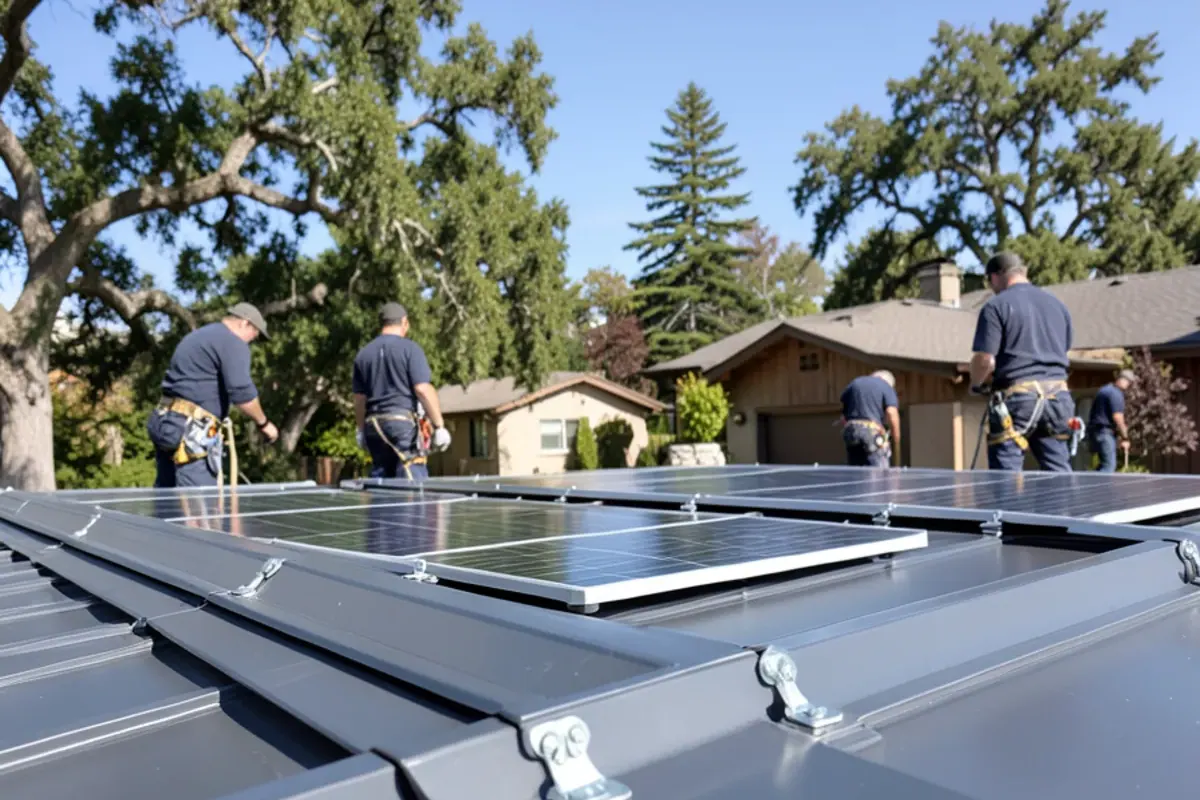
Narrowing three roof materials down to one
Most owners can settle the choice in an afternoon by working through the questions in order. Each one tends to remove an option:
- Check the slope and the framing. A low pitch or a light-framed roof takes tile off the list unless an engineer says otherwise.
- Check the fire map. In a mapped hazard zone, confirm the Class A assembly for every material you are still considering.
- Set a solar timeline. Panels in the next few years favor metal, or a new shingle roof installed first.
- Decide how long you will stay. Short horizons favor shingles; long ones favor metal or tile.
- Get two finalists priced side by side with the same tear-off, deck repair, flashing and ventilation lines.
Down to two materials? Ask Xylo Fix Roofers to price both on one written estimate, with photos of your current roof and deck.
Call (725) 745-8803