Our part in a roof damage claim, and where it stops
What we do
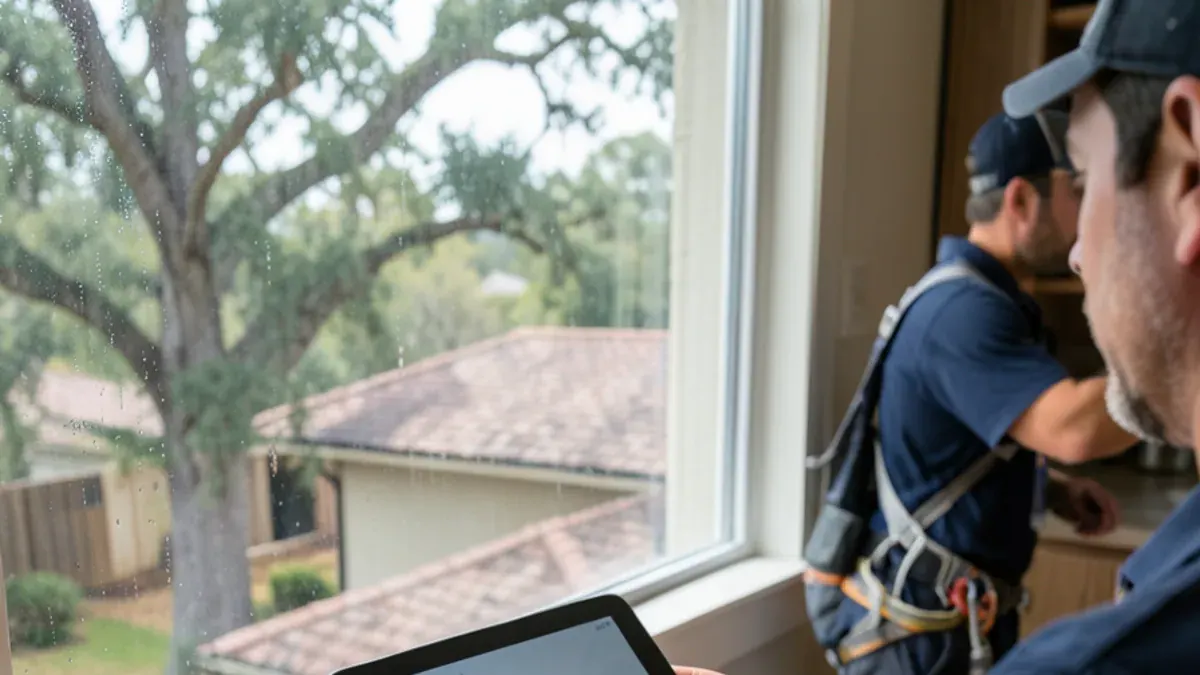
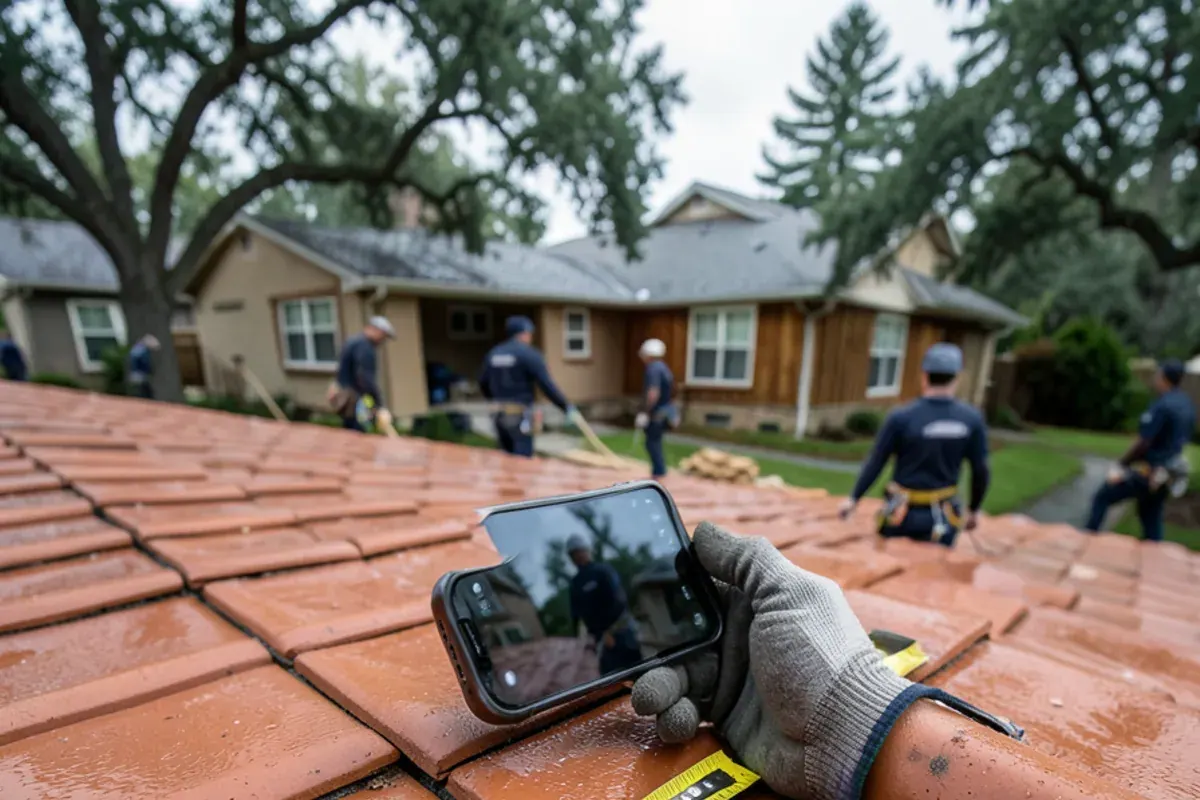
- Inspect the whole roof and the attic, and photograph the damage, sometimes on video.
- Write a free estimate, line by line, that keeps storm damage and older wear apart.
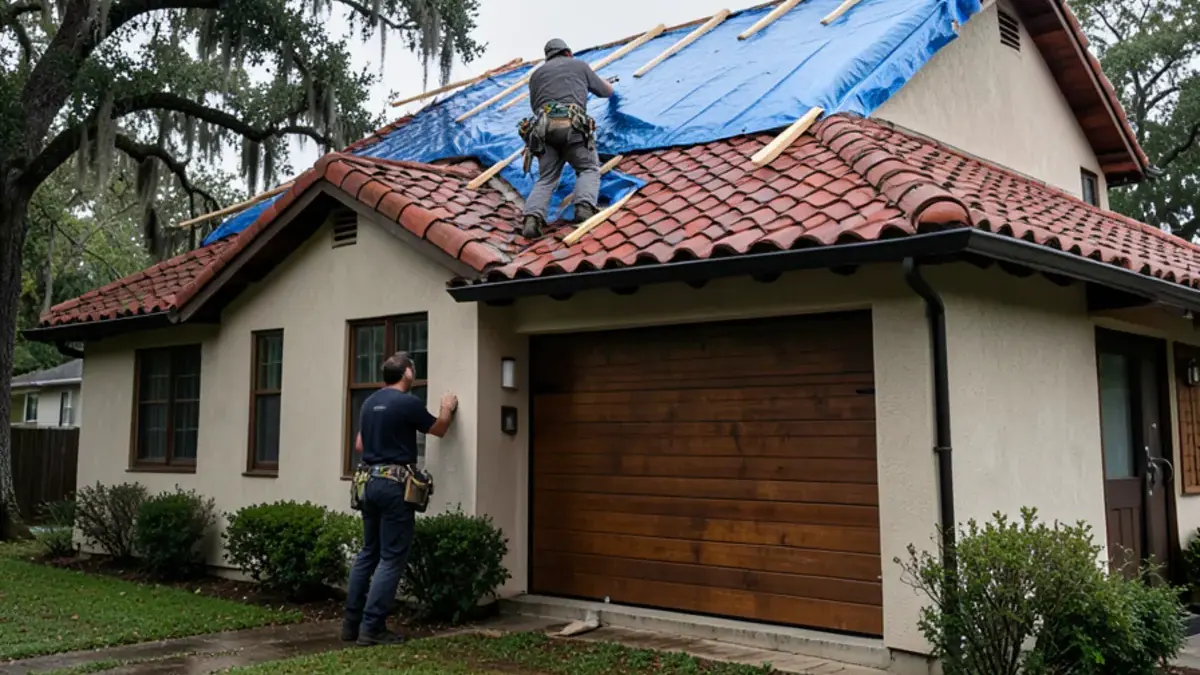
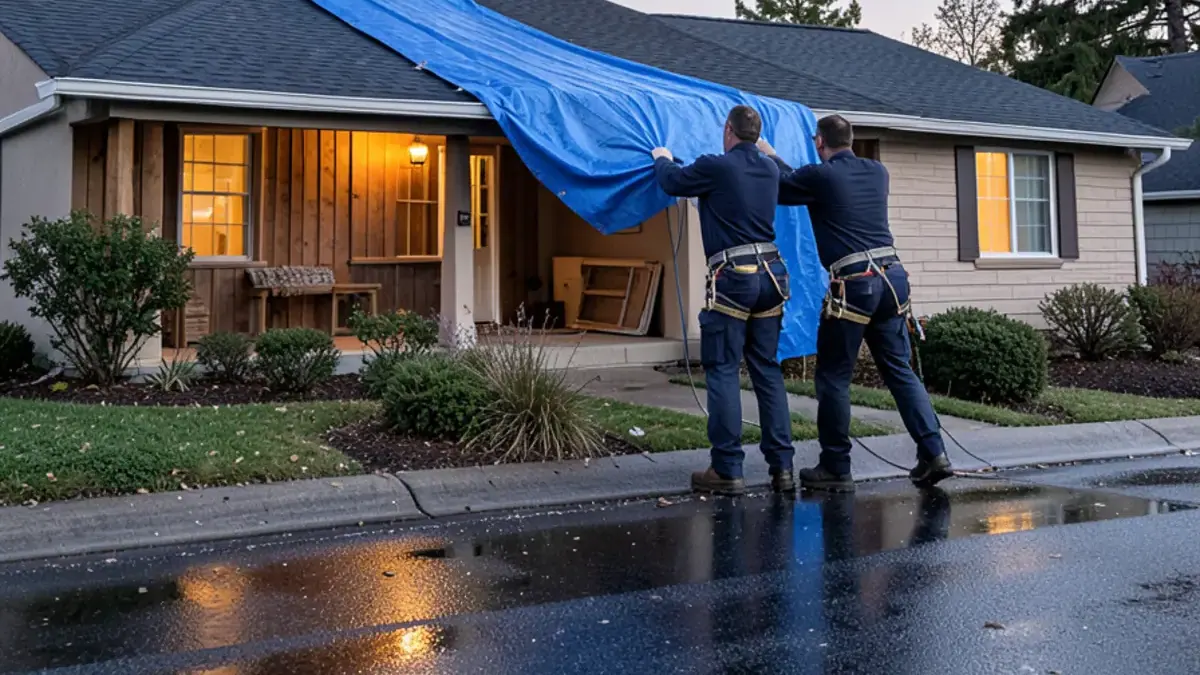
- Cover openings to prevent further damage, and hand you the invoice and photos.
- Meet your adjuster on site if you'd like, and answer roof questions.
- Keep you updated on materials and scheduling once you decide how to proceed.
What we don't do
- Predict or promise whether a claim will be approved, or what it will pay.
- Negotiate the claim for you. We are roofers, not public adjusters.
- Decide coverage. That stays between you and your insurer.
Why a family-run roofer helps here: one estimator photographs the roof and writes the itemized estimate, the crew cleans up daily, and small repairs below your deductible get the same care.
Roof claim documentation: what goes in the file
Adjusters work from evidence. The clearer the record, the less room for argument about what happened and when.
| Item | Who gathers it | Why it matters |
|---|---|---|
| Date and cause of the damage | You | Ties the damage to an event the policy may cover |
| Photos of the roof from the ground, inside damage and debris | You | Shows the damage before cleanup or temporary work |
| Close-up roof and attic photos, sometimes video | Us | Shows damage that can't be seen from the yard |
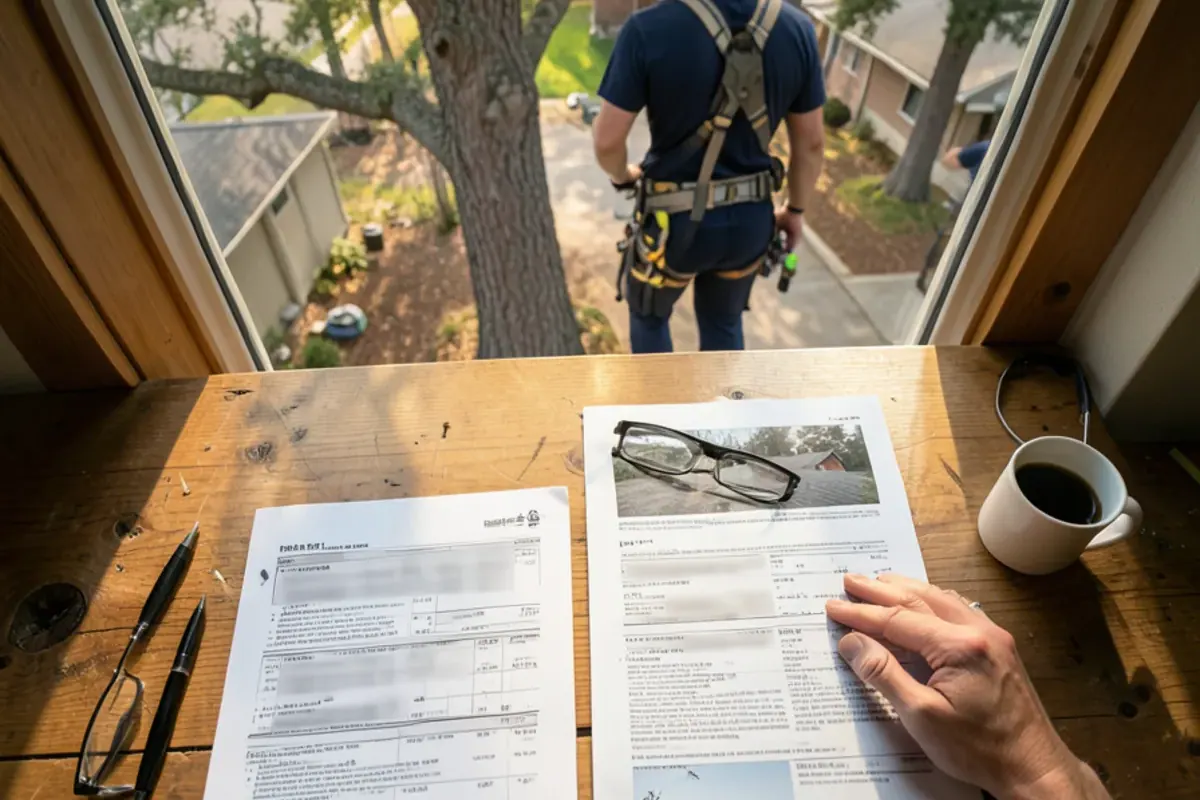
| Itemized repair estimate | Us | Lists materials, quantities and labor for the adjuster to compare |
| Invoice for tarping or temporary repairs | Us | Records the steps taken to limit further damage |
| Receipts for damaged belongings or a hotel stay | You | Supports the other parts of the claim |
Questions about roof insurance claim help?
Call first for the quickest answer, or request a free written estimate below.
Request a free written estimate
Fastest answer: call (725) 745-8803. Or send the details below and we will call you back.
Roof insurance claim help in Campbell, CA, step by step
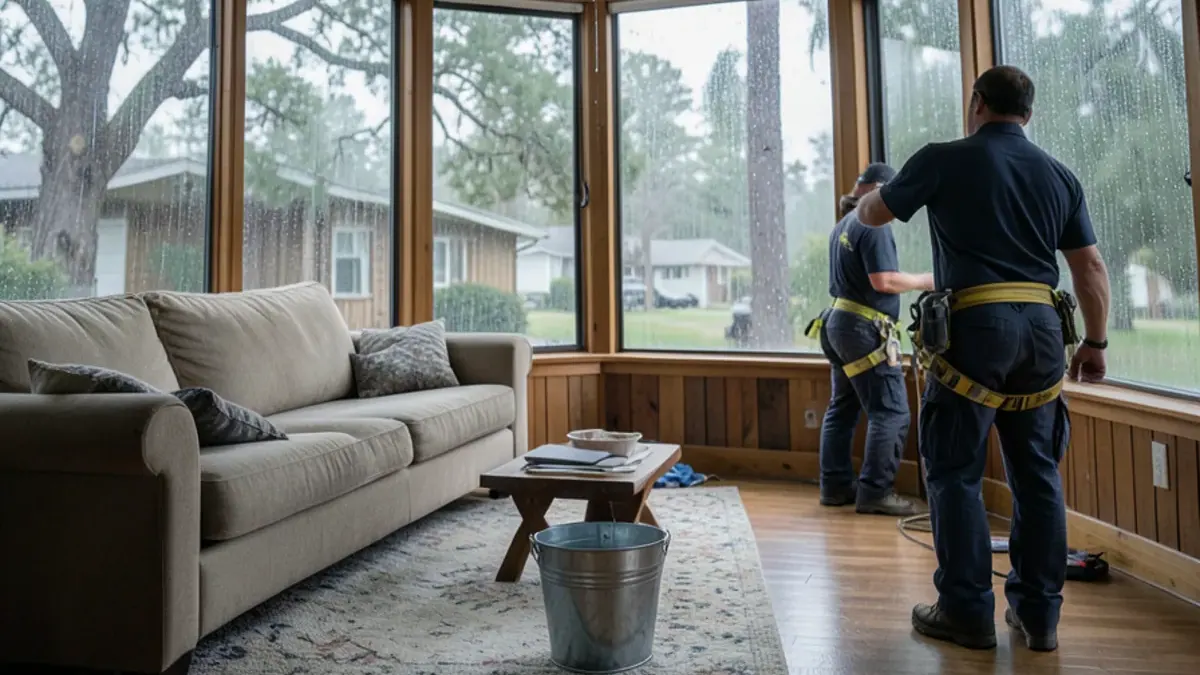
- Make the house safe and stop new damage. Catch water and get openings covered. Policies generally expect reasonable steps to limit further loss.
- Report the claim to your insurer. Ask about reporting deadlines, your deductible and whether they want to inspect before any permanent repair.
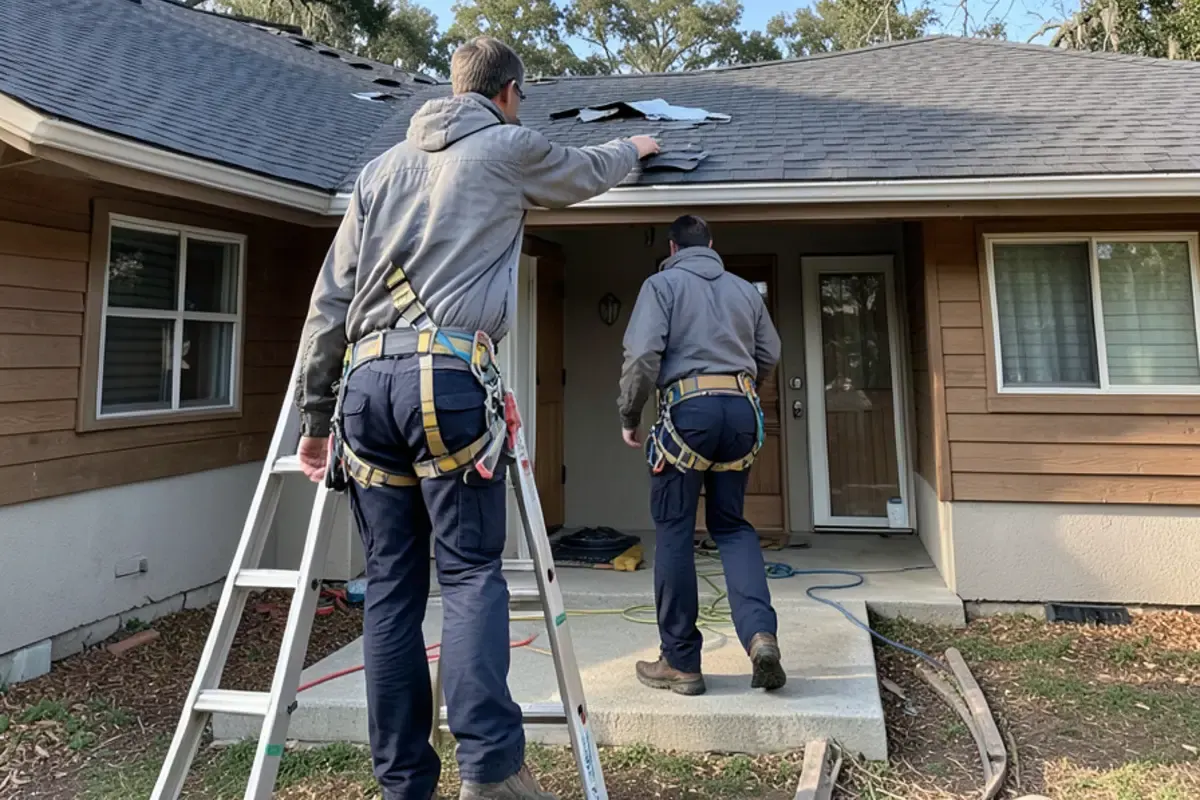
- Book an insurance roof inspection. We photograph, check the attic and write the estimate. If a tarp is needed, the damage is photographed before it goes on.
- Adjuster visit. We can be there to walk the roof and point out what we recorded.
- Compare estimates. Read the insurer's estimate against ours line by line and ask about anything missing.
- Schedule the work once you've decided how to proceed. Materials and dates are confirmed in writing.
Can a roofer meet the insurance adjuster at your home?
Yes, and it often helps. After a regional storm, adjusters cover many homes and may have limited time on each roof. With us there, they can see the creased shingles, slipped tiles or cracked decking from our photos in person, where water entered the attic, and why a repair needs the scope we wrote. The adjuster makes the coverage call; our job is making sure the roof facts are seen.
If the insurer's estimate leaves items out, the usual path is to send them our photos and itemized estimate and ask for a review. Your policy explains the dispute process, and the California Department of Insurance publishes guidance for homeowners.
Is it storm damage or wear and tear?
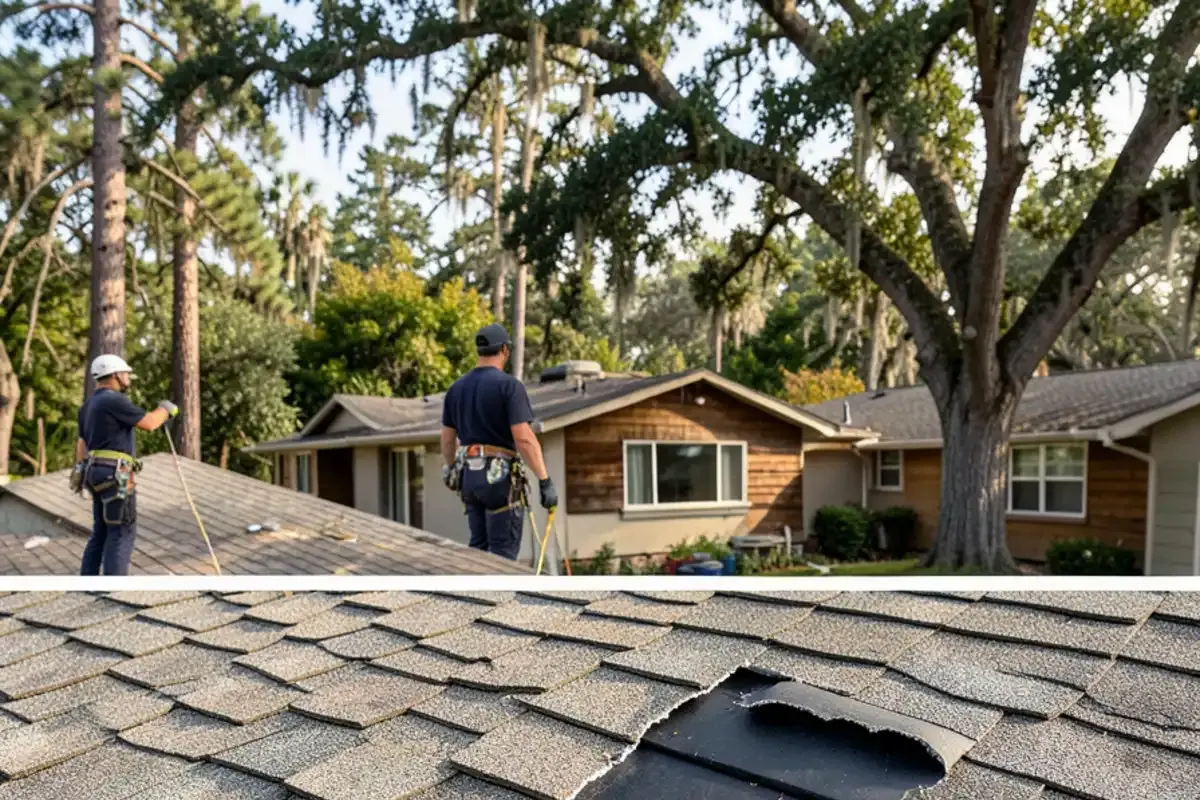
Most homeowners policies cover sudden damage, such as wind tearing off shingles or a limb punching through, and exclude gradual wear: granule loss, curled shingles, dried-out underlayment and long-running leaks. Adjusters look for clues that separate the two, like clean tears and fresh breaks versus weathered edges. Our report names both honestly, so the claim rests on what the storm actually did.
Around Campbell, the sudden events behind most roof claims are wind lifting shingles and ridge caps, limbs falling in atmospheric-river storms, and water forced in during long, heavy rain. Damaging hail seldom falls on the valley, so a claim built on hail deserves a hard second look.
California homeowners have faced a wave of insurer pullbacks and non-renewals from 2023 onward, and an older roof is a common reason an insurer flags a home. If your roof was already nearing replacement age, a claim may cover only the storm-damaged part, and the rest becomes a planning question rather than a claim question.
What changes the cost of a claim repair?
- Deductible: your share comes off the top, which is why small repairs are sometimes cheaper to pay outright.
- Depreciation: policies that pay actual cash value first may hold back the rest until the work is done.
- Matching: discontinued shingles or old tile profiles can widen a repair beyond the damaged spot.
- Hidden decking: soft or broken boards found once roofing is removed are added as a written change.
- Code items: permits, Title 24 cool-roof rules or Class A requirements in fire zones, paid only if your policy includes ordinance or law coverage.
California claim rules worth knowing
California's Fair Claims Settlement Practices Regulations give insurers 15 days to acknowledge a claim and 40 days after proof of claim to accept or deny it, with written reasons if they need longer. Under Insurance Code section 2051.5, you generally have at least 12 months to collect replacement cost after the first payment, and 36 months for losses in a declared state of emergency. Public adjusters hold a Department of Insurance license; a roofer cannot act as your public adjuster.
When a roof replacement insurance claim makes sense
Sometimes the damage is spread so widely that patching it costs nearly as much as a new roof, or matching materials no longer exist. Then the estimate may recommend replacing a slope or the whole roof, with photos showing why. Whether a policy pays for full replacement, matching or code-required upgrades depends on its wording; some include ordinance or law coverage for code items and some don't. Ask your insurer before work starts.
If water is still coming in, start with emergency roof leak repair; if the roof is open, emergency roof tarping comes before any claim paperwork.
Need storm damage documented for a claim? Call (725) 745-8803.
Call (725) 745-8803