
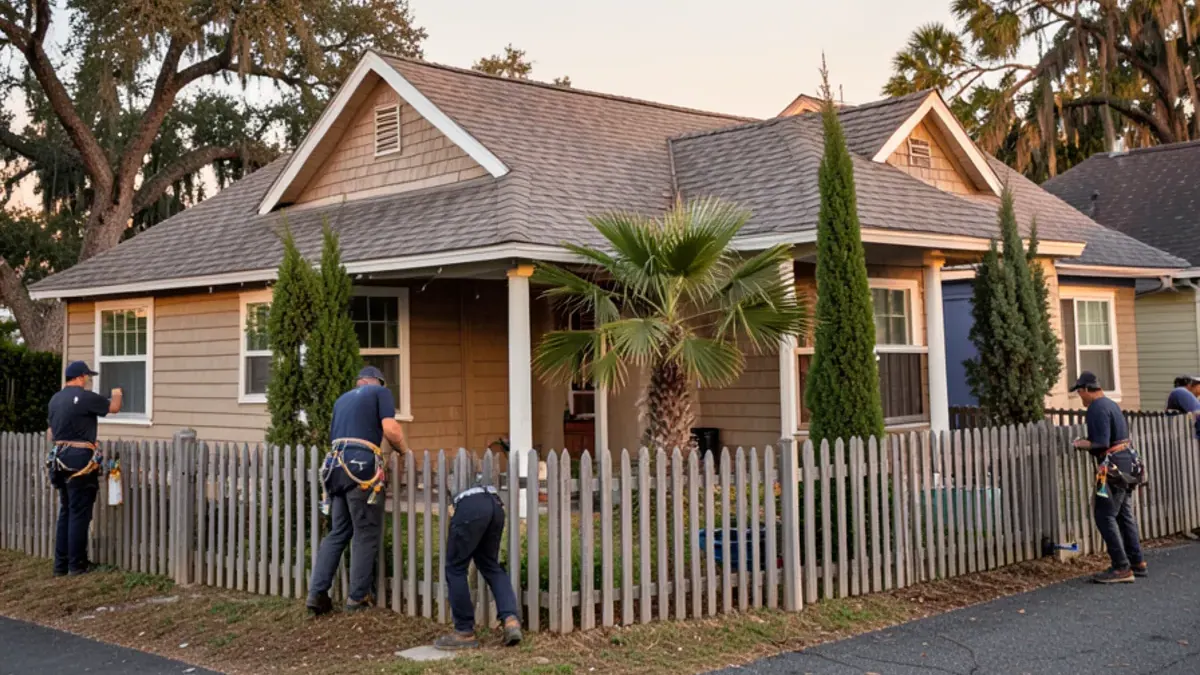
Permits for an unincorporated beach neighborhood
Owners sometimes expect the City of Santa Cruz to handle their permit because of the mailing address. It doesn't. Live Oak, east of the harbor, is permitted by the County of Santa Cruz Planning Department, so we check the parcel, file the reroof application and schedule the County inspections. A trip here starts with Highway 17, a roof and attic inspection with photos, and a written, itemized estimate.
Roofing services Live Oak homeowners ask for most
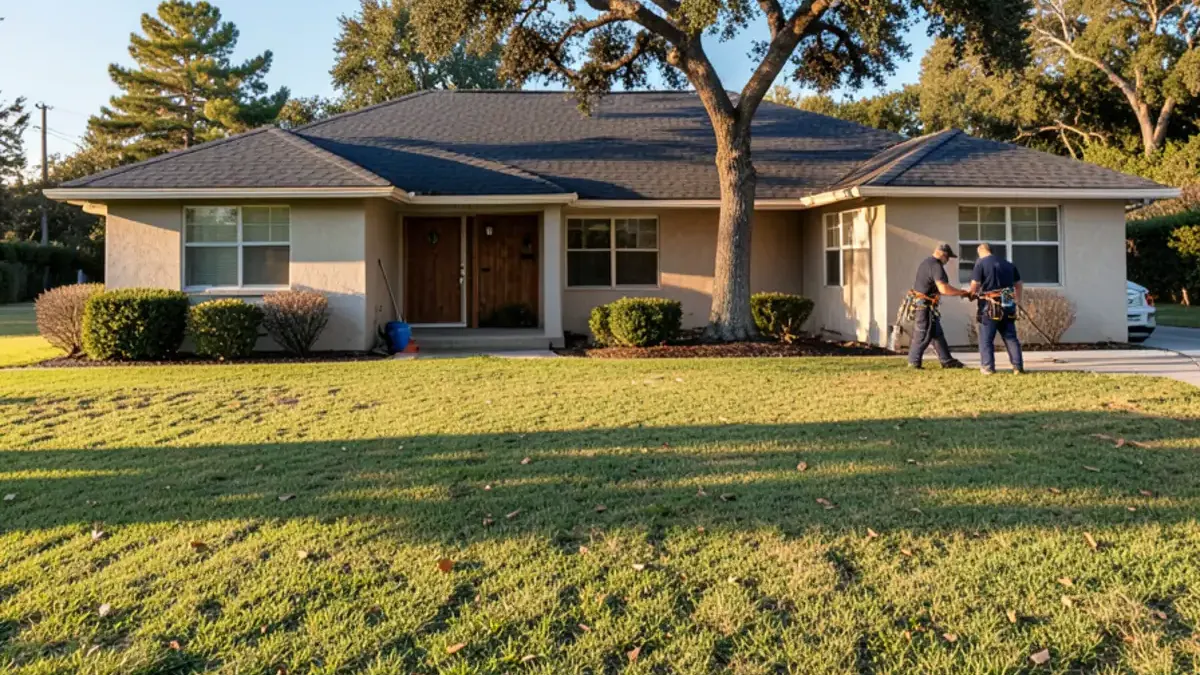
Roofing Contractor in Campbell
Live Oak cottages mix original gable roofs, rear add-ons and ADUs on narrow lots; we inspect every roof on the parcel as one system and file the County of Santa Cruz permit.
Learn more →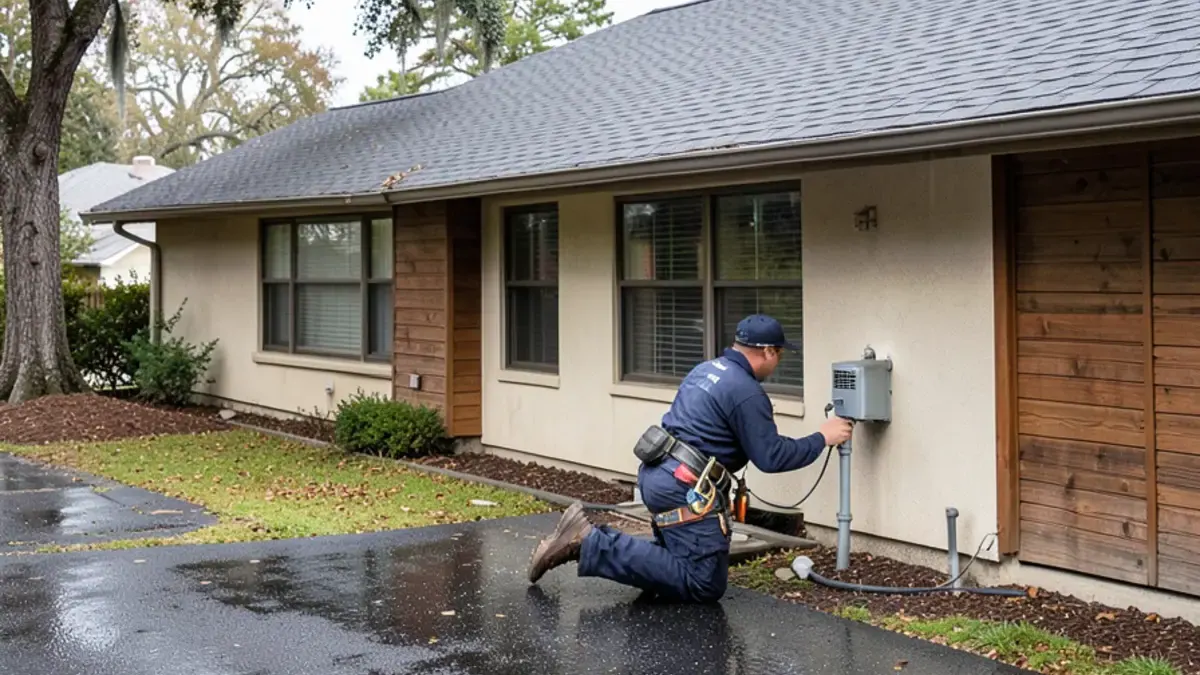
Roof Repair
Leaks at the joint between a 1950s cottage and its low-slope rear addition are the repair we trace most often between the harbor and 41st Avenue, and they rarely need a full reroof.
Learn more →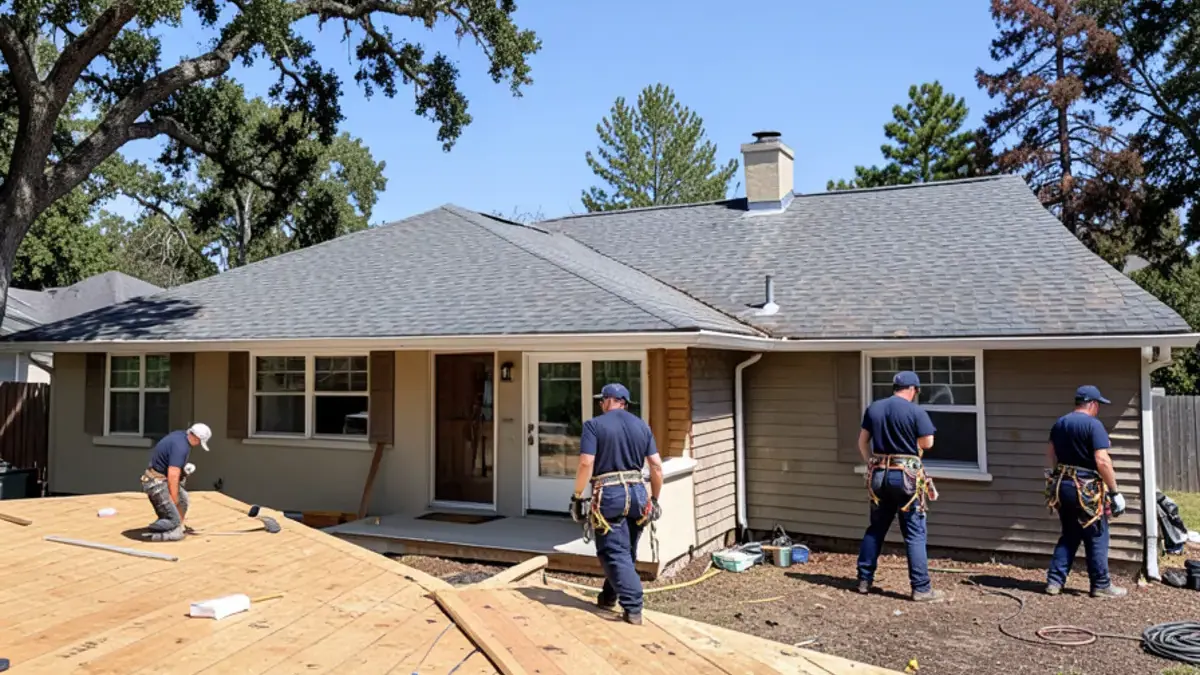
Roof Replacement
Replacing a postwar Live Oak cottage roof is the time to redo low-slope tie-ins with membrane, swap salt-worn edge metal and add the soffit and ridge vents these houses never had.
Learn more →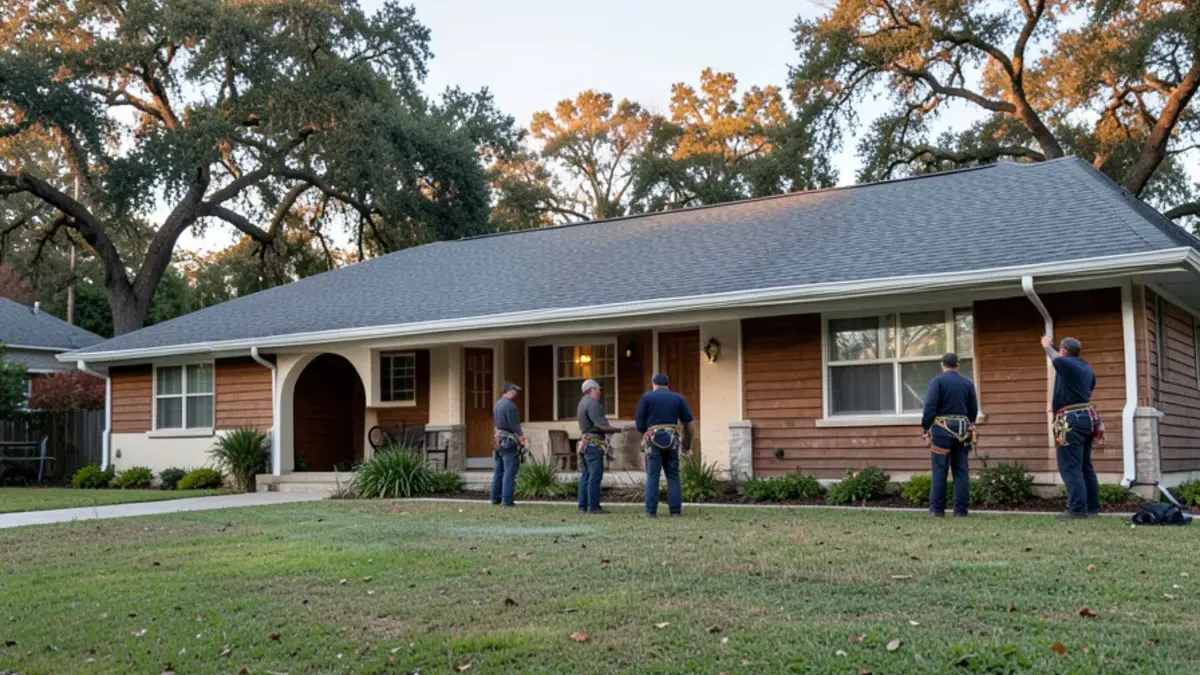
Gutters & Downspouts
Narrow Live Oak lots leave little room for runoff; correctly sized gutters and downspouts, in aluminum that tolerates the salt air, keep water off neighbors' fences and foundations.
Learn more →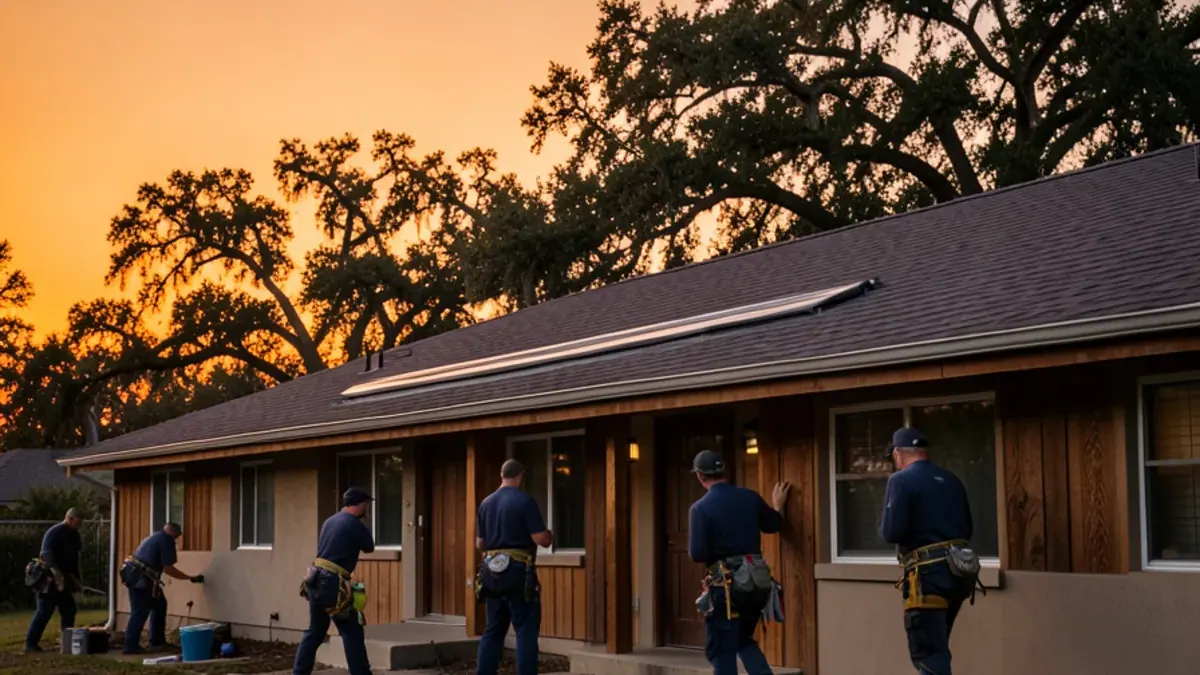
Attic Ventilation & Insulation
Small coastal attics near Twin Lakes and the lagoons trap fog and indoor moisture; soffit intake and ridge exhaust clear up ceiling stains that look like leaks on a Live Oak cottage.
Learn more →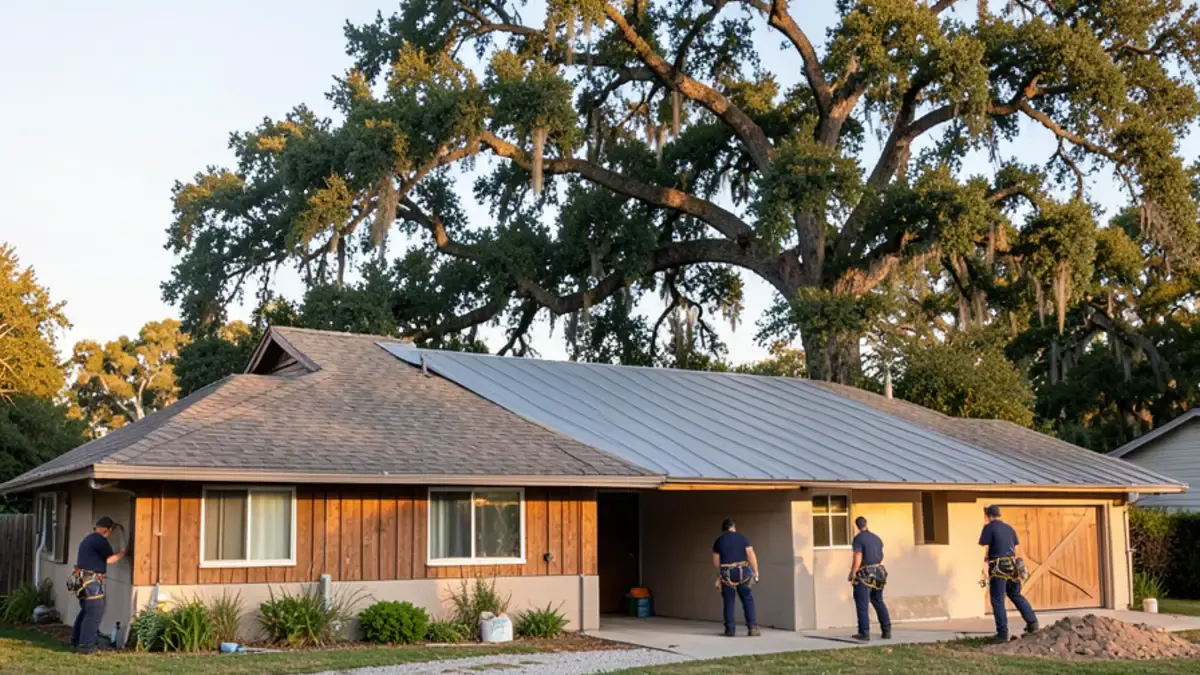
Flat Roofing
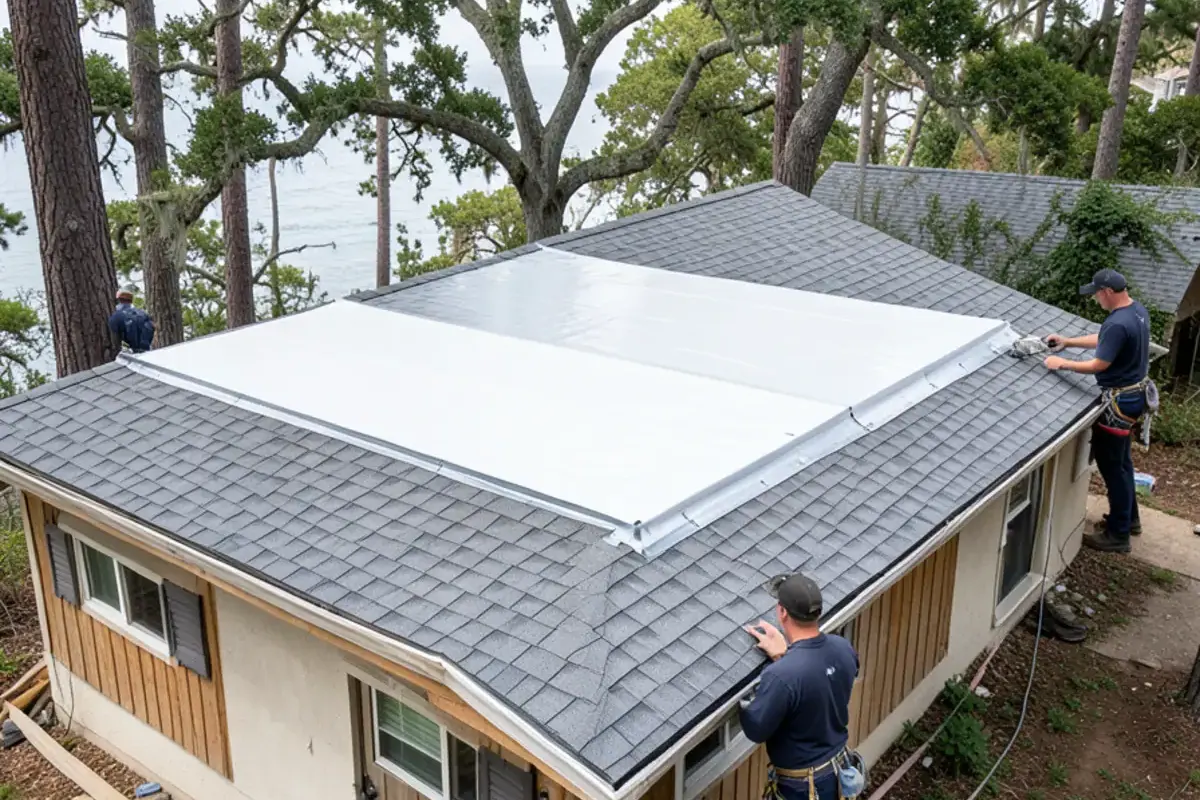
Flat-roofed rear additions and converted garages behind Live Oak cottages need TPO or modified bitumen, not shingles, and careful flashing where the low roof meets the main house.
Learn more →
Roof trouble in Live Oak?
We drive out from Campbell (about 40 min (26 mi)). Call to book an inspection.
Cottages, rear additions and low-slope tie-ins near Twin Lakes
On a 1950s cottage off Portola Drive or 17th Avenue, the original gable roof is often fine while the rear addition leaks. Typical trouble spots:
- Low-slope additions tied into a steeper roof with shingles, which need membrane roofing at that pitch.
- Converted garages and ADUs whose roofs meet the house at an awkward valley or wall.
- Tight attics with few vents, where moisture from the bay air and indoor living condenses on the sheathing.
- Salt-worn edge metal on homes closest to Twin Lakes State Beach and the harbor.
The setting explains the pattern. Live Oak is a flat marine terrace that filled with beach cottages and modest postwar houses long before the County drew today's lot rules, so many parcels are narrow and built close to the side lines. The 2020 Census counted 17,038 residents, the largest unincorporated community in the county, and a growing number of rear lots now hold an ADU. Onshore wind carries salt across the whole terrace, fog sits in the lagoons, and the Energy Code's Climate Zone 3 means a roof here dries slowly after each storm.
Twin Lakes, the harbor and the lagoons: Live Oak local knowledge
Live Oak runs along Monterey Bay between the City of Santa Cruz and Capitola, and its landmarks are mostly water:
- Santa Cruz Harbor: the Santa Cruz Port District's small-craft harbor, opened in 1964, divides Seabright from Live Oak. Homes on the bluff just east of it take the most direct salt spray.
- Twin Lakes State Beach and Schwan Lake: the state beach sits at the harbor mouth, with the lagoon behind it. Wood trim on houses facing the lagoon stays damp longer than trim a few blocks inland.
- Corcoran Lagoon and Moran Lake: two more small lagoons break up East Cliff Drive farther east, each with its own pocket of fog-damp cottages.
- Main streets: Portola Drive, Soquel Avenue and East Cliff Drive run east to west, with numbered avenues such as 7th and 17th crossing them; street parking for a dump trailer needs planning on the tighter blocks.
- Water and permits: City of Santa Cruz Water serves most Live Oak homes even though the County, not the city, issues building permits.
Air in the attic: the overlooked fix for small coastal homes
Many Live Oak cottages were built with a couple of small gable vents and nothing at the eaves. Add fog, a bathroom fan venting into the attic and closed-up soffits, and you get mildew and stained ceilings that look like a leak. Adding soffit intake and ridge exhaust during a reroof costs less than doing it later, and our attic ventilation page explains how we balance the two.
Where our track record stands
Our 64 Google reviews were written mostly in Campbell and other Santa Clara County towns, and our photo files hold no Live Oak jobs. We are open about that. You get our route and timing, the County permit handled, photos from your roof and an estimate with every line spelled out.