
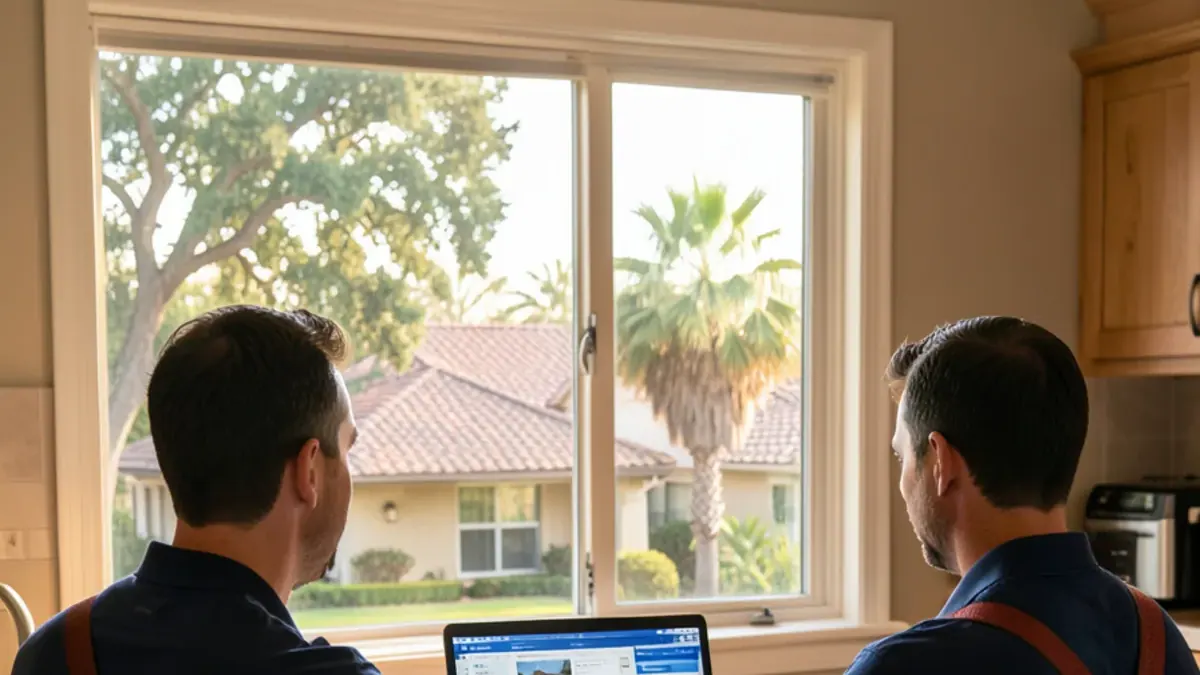
How do California homeowners pay for a new roof?
Start with the written, itemized estimate. Lenders want to know the amount, and you want to borrow for the full scope, not a guess. Then compare the options side by side.
| Option | Secured by | Typical fit | Watch for |
|---|---|---|---|
| Home equity line of credit (HELOC) | Your home | Owners with equity who want flexibility | Variable rates; draw and repayment periods |
| Home equity loan | Your home | A fixed amount at a fixed rate | Closing costs; home at risk if you default |
| Cash-out refinance | Your home | When refinancing makes sense anyway | Resets the whole mortgage rate and term |
| Personal loan | Nothing | Smaller projects, fast funding | Higher rates; shorter terms |
| Contractor-arranged program | Varies by lender | Convenience at signing | Fees built into price; deferred-interest terms |
| PACE assessment | Lien via property tax bill | Qualifying energy or resilience upgrades | Can complicate sale or refinance |
| FHA Title I loan | Varies by amount | Owners with limited equity | Participating lenders only |
Need a written, itemized reroof estimate to take to your lender? Call (725) 745-8803 to schedule a free inspection.
Call (725) 745-8803Borrowing against your home: HELOC, equity loan or refinance
HELOC
A line of credit you draw from as needed. Useful when the final cost may move, for example if decking replacement turns out larger than the allowance. Rates are usually variable.
Home equity loan
A lump sum at a fixed rate and payment. Good for a known amount. Interest on home equity debt used to substantially improve the home may be tax-deductible under IRS rules; ask a tax professional.
Cash-out refinance
Replaces your mortgage with a larger one. It rarely makes sense just for a roof unless current rates beat your existing loan.
Unsecured options: personal loans, cards and contractor programs
- Personal loans fund quickly and do not put a lien on the house, but rates depend heavily on credit and terms are short.
- Credit cards and 0% promotions can work for a small repair paid off quickly. Deferred-interest offers charge back interest from day one if the balance is not cleared on time.
- Contractor-arranged programs connect you with a third-party lender at signing. Ask whether the lender charges the contractor a fee and whether that fee is reflected in the price, and compare the rate with what your own bank or credit union offers.
Whatever the source, the loan is between you and the lender. Read the full disclosure, not just the monthly payment.
FHA Title I property improvement loans
Title I loans are made by HUD-approved private lenders with federal backing against default, which lets some owners with little equity borrow for repairs such as a reroof. HUD rules cap a single-family Title I loan at $25,000, and loans above $7,500 have to be secured by a lien on the property. Few lenders actively offer them, so ask your bank or credit union whether it participates.
What should you know about PACE financing for a roof?
Property Assessed Clean Energy (PACE) financing pays for qualifying upgrades and is repaid as an assessment on your property tax bill. In California, PACE program administrators are overseen by the Department of Financial Protection and Innovation, and state law requires providers to consider a homeowner's ability to pay. Even so, there are real caveats:
- The assessment is a lien that typically takes priority over your mortgage.
- Many mortgage lenders require it to be paid off before a sale or refinance.
- Payments rise with your property tax bill, and missing them can put the home at risk.
- Rates and fees are often higher than home equity borrowing.
- Whether a roof qualifies depends on the program and the measure, such as a cool roof.
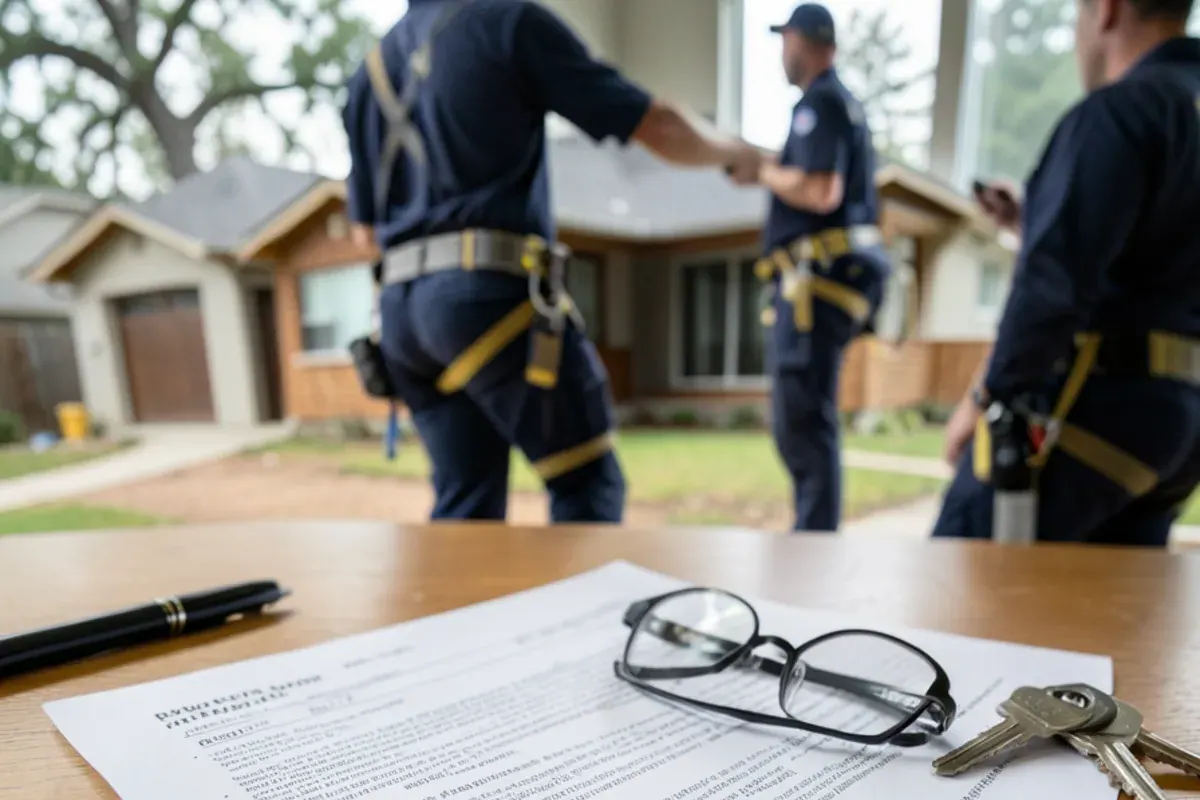
Cooling-off periods before a roof loan or contract is final
Several federal and California rules give you time to back out after signing. None of them is a reason to sign in a hurry, but knowing them takes the pressure off a kitchen-table sales pitch.
| Situation | Cancellation window | Where it comes from |
|---|---|---|
| Loan secured by your principal home (HELOC, equity loan, most refinances with a new lender) | Three business days after closing and disclosures | Federal Truth in Lending Act, right of rescission |
| Home improvement contract signed at your home | Three business days; five for buyers 65 or older | California Civil Code section 1689.6 |
| PACE assessment contract | A cancellation period plus a recorded confirmation call before signing | California PACE consumer protection laws, overseen by the DFPI |
Use the window. Reread the disclosure at home, compare the APR with an offer from your own bank or credit union, and confirm that the contract scope matches the written estimate you were given.
Energy-efficiency programs and cool roofs
California runs energy-efficiency financing through the GoGreen Home program, administered by the California Alternative Energy and Advanced Transportation Financing Authority with participating lenders. Eligible measures change over time, so check the current list before assuming a roof qualifies. Utilities sometimes offer rebates for rated cool-roof products as well.
Title 24, Part 6 can require a cool-rated roof on some reroofs in any case, so the extra cost may already be part of your project. Our cool roofs page explains how rated products work and when the code applies.
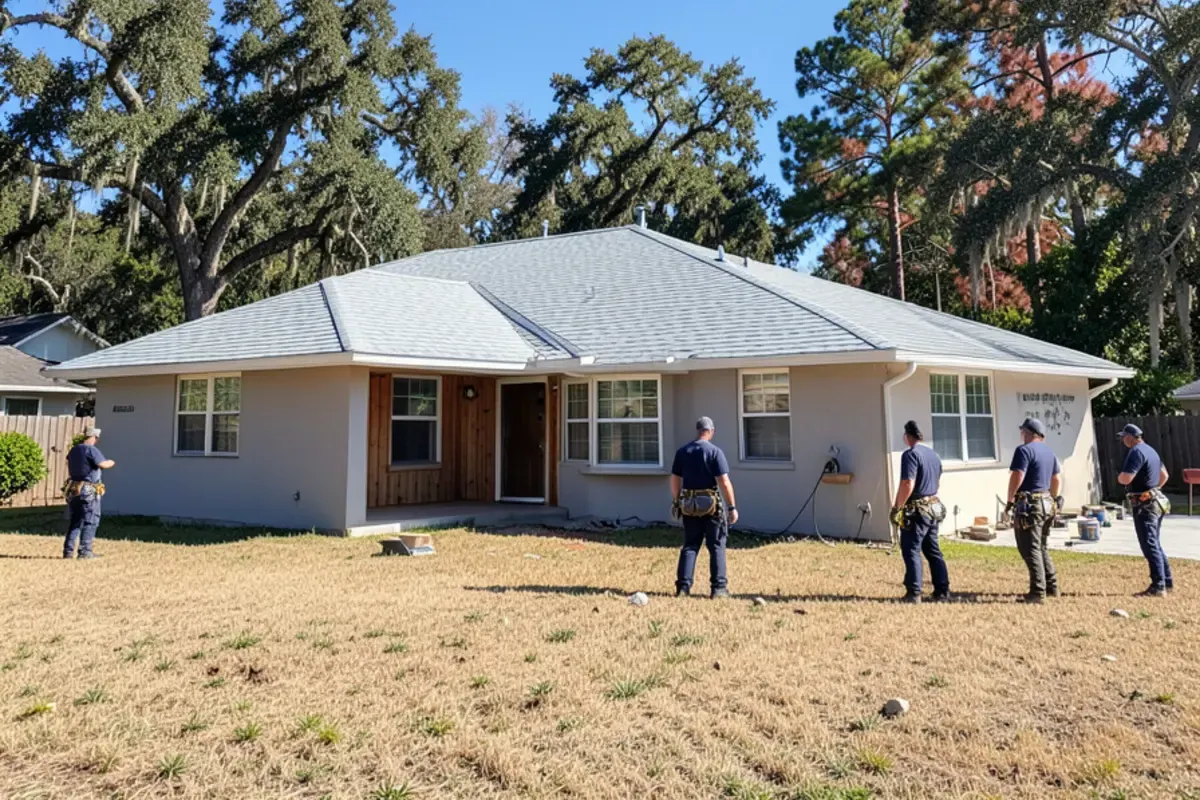
From our roof visits: borrow for the real scope
The most common money problem on a reroof is not the loan type; it is borrowing for a number that leaves no room for what turns up. Decking rot under the old shingles, a chimney that needs new flashing, or ventilation that has to be corrected are often found only once tear-off starts.
That is why our estimates price extra decking by the sheet and list each item separately. A lender, or you, can see exactly what the base scope is and what the possible additions cost, so the financing can cover both.
Trade-offs to think through before you borrow
Waiting to save cash avoids interest, but a roof that is already leaking keeps doing damage while you save; a repair now and a replacement later can bridge the gap if the roof allows it. Borrowing the bare base price keeps the payment low, yet a mid-job decking change order then has to come from somewhere else. A decking allowance in the loan may go unused, which is a cost of being prepared rather than a waste. And if storm damage is part of the picture, sort out the insurance side first; our roof insurance claim help documents damage so you know what a claim may cover before you borrow for the rest.
Paying the roofer once the money is in place
How money leaves your account matters as much as where it comes from. California gives homeowners several protections, and using them costs nothing.
- Size the request from the estimate. Add the base scope to the per-sheet decking price multiplied by a realistic sheet count, so the loan covers what tear-off may uncover.
- Keep the deposit small. California sets the ceiling at the lower of $1,000 or one-tenth of the contract price.
- Pay as work is completed. Progress payments should follow finished stages, such as tear-off and deck repair, then roofing, then final inspection.
- Collect lien releases. California's statutory conditional and unconditional waiver and release forms show that the contractor, and any supplier who sent you a preliminary notice, has been paid for each stage.
- Hold the final payment until the permit's final inspection has passed and the site is clean.
A preliminary notice from a supplier is routine on many reroofs. It does not mean anything is wrong; it means that supplier keeps lien rights until it is paid, which is why the releases matter.
Questions to ask any lender before you sign
- What is the APR, not just the interest rate, and is it fixed or variable?
- Are there origination fees, dealer fees or prepayment penalties?
- Is any of the interest deferred, and what happens if the balance is not paid by the promotional date?
- Does the loan create a lien on my home, and what happens if I sell or refinance?
- Can I see the full written disclosure before committing?
Once you have the money lined up, our roof replacement process starts with the permit and a scheduled start date. We work with homeowners around Campbell and across San Jose.
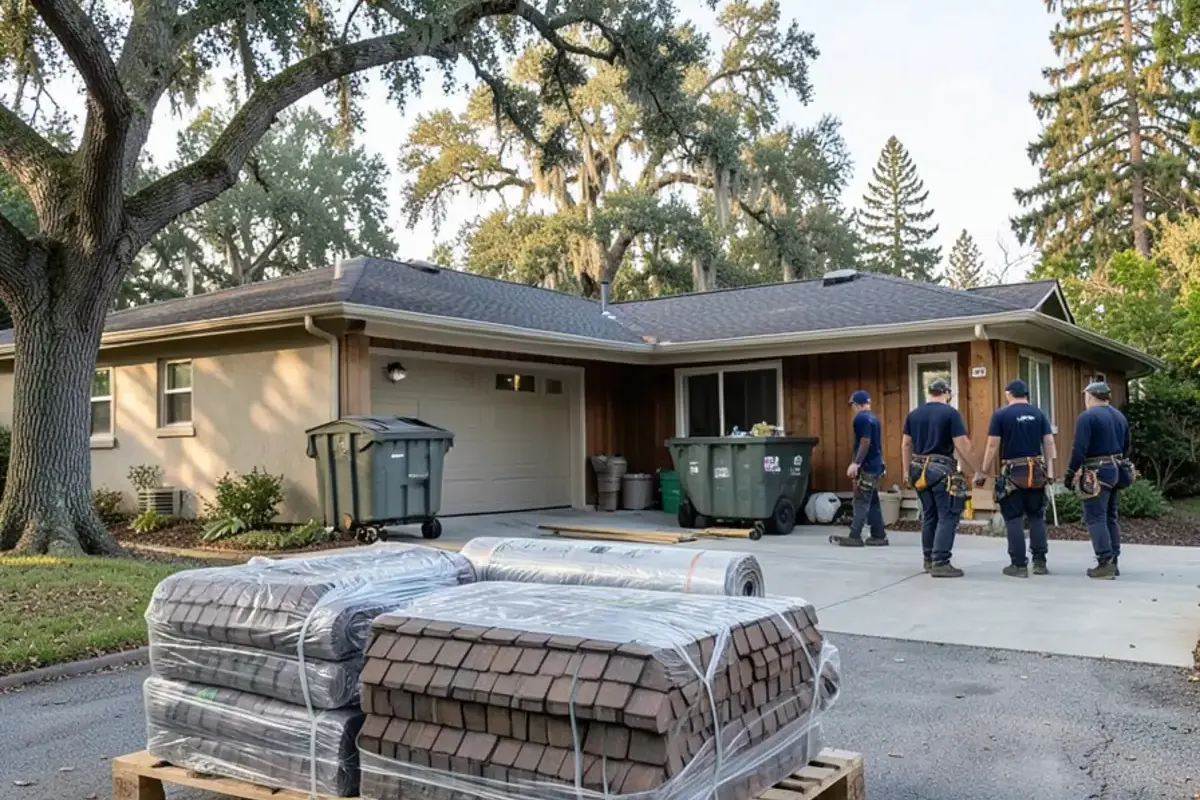
Whichever lender you choose, the conversation goes faster with a complete scope in hand: what is being replaced, what might be found, and what each line costs.
Need an itemized reroof estimate before you talk to a lender? Call (725) 745-8803 for a roof inspection and a written, line-by-line scope.
Call (725) 745-8803