
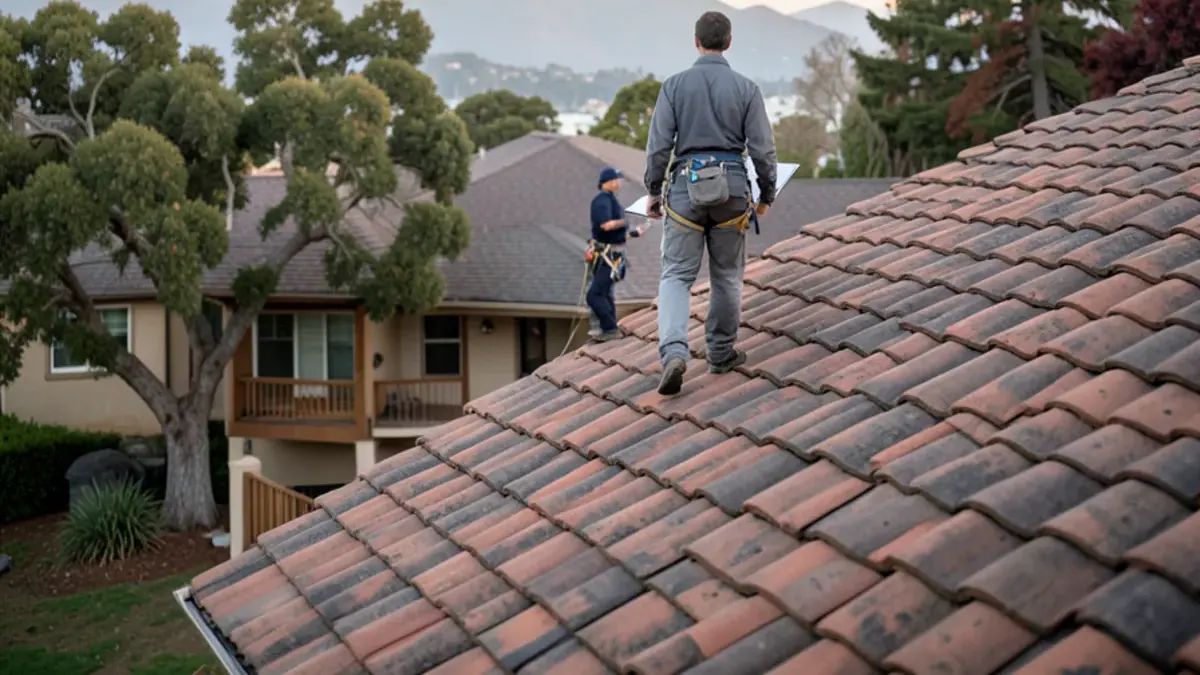
An inspection schedule by roof age and type
Age and material set the baseline. Location adjusts it: a roof under oaks or redwoods needs more attention than one on an open lot.
| Roof situation | How often | Best timing |
|---|---|---|
| Newer shingle or metal roof, open lot | Every 1 to 2 years | Late summer or early fall |
| Roof in its second half of life | Every year | September or October |
| Tile roof of any age | Every year or two | Before the rains, focusing on underlayment and flashing |
| Flat or low-slope roof | Twice a year | Spring and fall |
| Roof under heavy tree cover | Every year, plus a debris check midwinter | Fall and January |
| Wood shake roof | Every year | Late spring, when moss and splits are easy to see |
Keep a simple record of each inspection: the date, what was found and what was repaired. Over a few years it shows how fast your roof is aging and makes the repair-or-replace decision much clearer.
Can't remember when your roof was last looked at? Call (725) 745-8803 to set up a roof inspection before the next storm.
Call (725) 745-8803When do you need an inspection outside the schedule?
Some events call for a look right away, whatever the calendar says:
- After a major storm: wind-driven rain and gusts during atmospheric-river storms lift shingles, loosen flashing and drop branches.
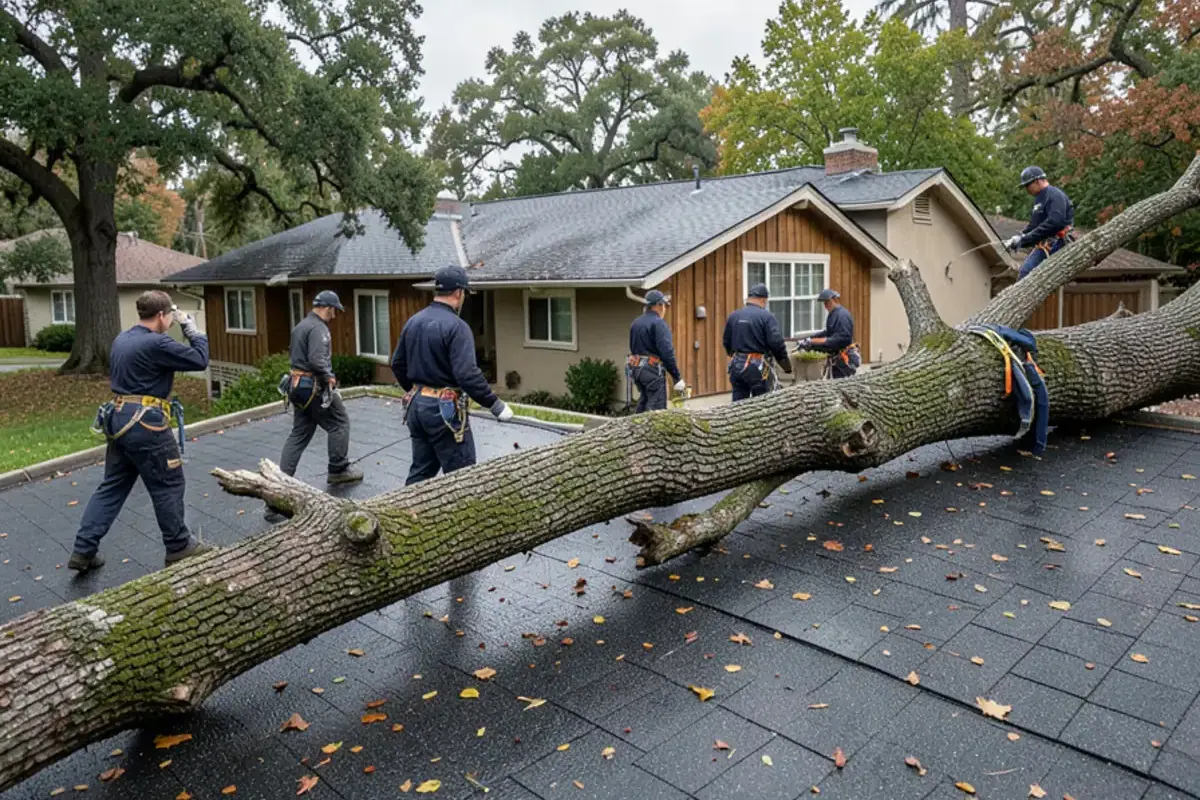
- After a tree or large limb hits the roof: even without a visible leak, impact can crack decking or tiles.
- Before selling or buying: buyers, lenders and agents often ask about roof condition, and a roof certification documents it.
- At insurance renewal: insurers increasingly ask about roof age and condition, and photos help answer.
- When you notice a stain: a new ceiling or wall stain deserves a look before the next rain.
- Before adding solar: the planes under the panels need to be sound for years to come.
What does a thorough roof inspection cover?
A quick look from the ladder is not an inspection. A complete roof inspection should cover the roof surface, every penetration and the attic underneath. Use this checklist to compare what you were given:
- Roof covering: missing, cracked, curled or slipped shingles or tiles, granule loss, worn coatings.
- Flashing at chimneys, walls, valleys and skylights.
- Pipe boots and vent caps.
- Gutters, downspouts and fascia.
- Ridge and hip caps, including mortar on tile roofs.
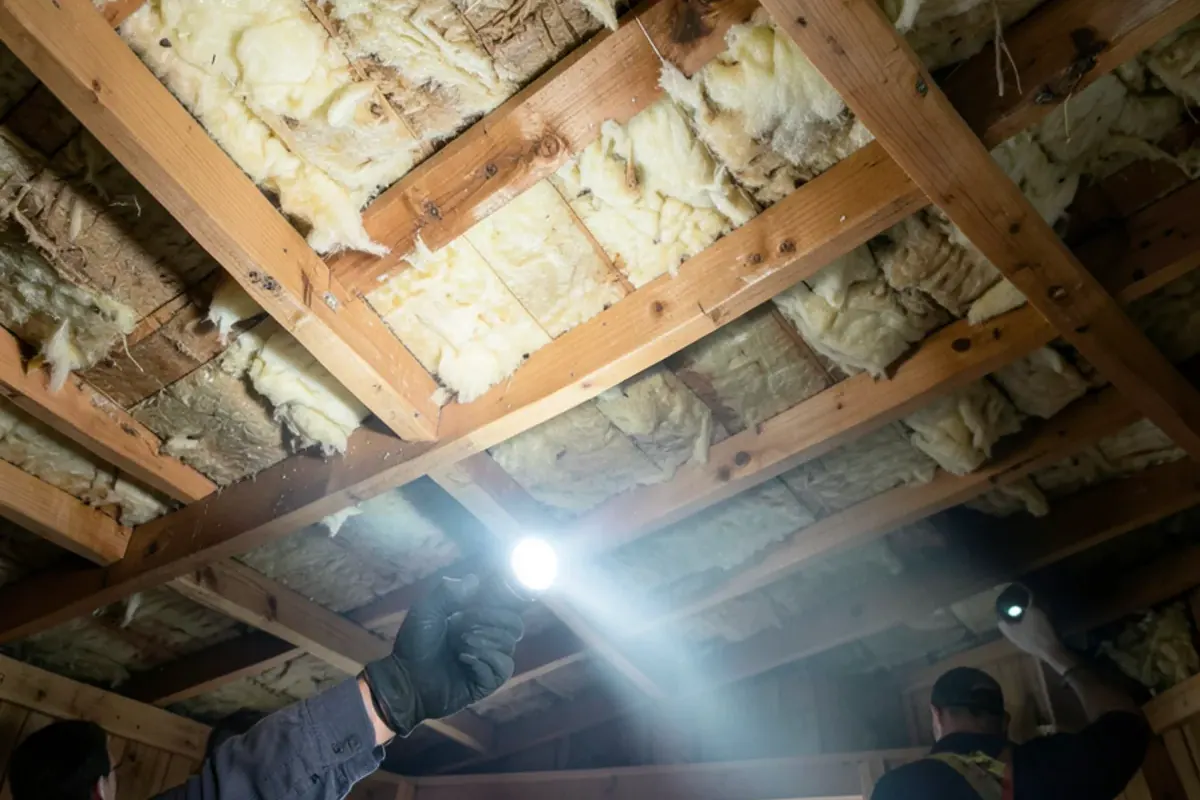
- Attic: ventilation, insulation condition, daylight gaps and water stains on the deck.
- Written findings with photos of each problem area and a clear repair or replacement recommendation.
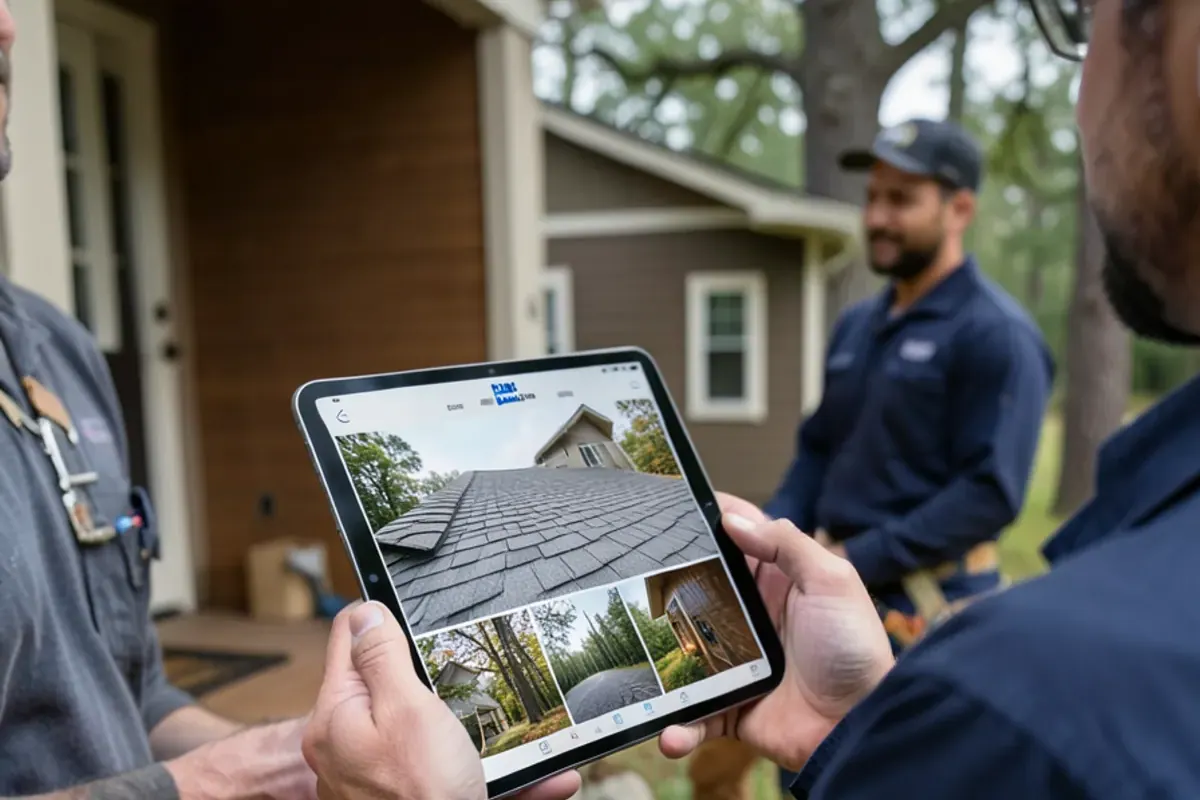
We send photos, and sometimes video, from the roof so you can see the problems yourself instead of taking anyone's word for it.
How to read a roof inspection report
An inspection is only as useful as the report that comes out of it. A good one lets you act without calling back to ask what something means.
| Useful report | Weak report |
|---|---|
| A photo for every finding, labeled by roof slope or location | A few general photos, or none |
| Findings sorted by urgency: now, before the rains, monitor | One undifferentiated list |
| A plain estimate of remaining service life, with the reasons | "Roof is old" with no explanation |
| Attic observations: stains, daylight, ventilation, insulation | Roof surface only |
| A written repair or replacement recommendation with scope | A verbal opinion and a phone number |
Questions worth asking the inspector
- Which finding would you fix first, and what happens if it waits until spring?
- Is any problem caused by something other than the roof, such as plumbing, gutters or indoor humidity?
- How did you reach the roof, and which areas could you not see?
- If this were your house, would you repair or start planning a replacement?
Home inspector or roofer?
A general home inspection under California's home inspector law (Business and Professions Code section 7195) covers the roof as one of many systems. Home inspectors often view it from the ground, a ladder or a drone rather than walking it, and they flag concerns for a specialist to follow up. When a report says "recommend evaluation by a roofing contractor," that is the cue for a roofer's inspection, which looks at flashing details, underlayment clues and the attic with repair in mind.
Inspection versus certification before a sale
A standard inspection reports condition. A roof certification goes a step further: after any needed repairs, the roofer issues a document stating the roof's condition and expected remaining service for a stated period. Buyers' agents and lenders sometimes request one, and having it ready can keep a sale moving. The terms of any certification are written on the document, so read them closely.
If you plan to sell in spring, schedule the inspection the previous fall. That leaves time for repairs on dry days rather than in the middle of the rainy season.
From our roof visits: problems a yearly inspection catches early
- Cracked pipe boots, which are cheap to replace before they stain a ceiling and expensive after.
- Flashing that has pulled away from a chimney or sidewall over a summer of heat.
- Rodent or bird damage at vents and roof edges, often before the homeowner hears anything.
- Tile roofs that look perfect from above while the underlayment beneath has dried out.
- Ceiling stains that turn out to be indoor humidity or plumbing, not the roof, which an attic check can show.
Inspections have limits and trade-offs of their own:
- A yearly visit on a new roof over an open lot is often more than it needs. Every two years, plus a look after big storms, is a reasonable saving.
- Walking a tile roof to inspect it can crack tiles, so we limit foot traffic and step only where tiles are supported. That means some areas get checked from a ladder or with a camera instead.
- Nobody sees the underlayment under tile without lifting tiles, so a tile report describes clues, not certainties.
- Drone photos are quick and keep people off fragile roofs, but they miss flashing detail and everything in the attic.
Can you inspect your own roof between visits?
You can do a useful ground-level check twice a year. Walk around the house with binoculars and look for missing or lifted shingles, debris in valleys and anything hanging loose at the edges. Check the attic with a flashlight after a heavy rain. Note anything new, take a photo and compare next time. Homeowners in Campbell and San Jose can then book a professional inspection only when something changes or the yearly visit comes due.
The schedule in short: yearly for most roofs, every two years for a sound newer roof on an open lot, twice a year for flat roofs, and extra visits after major storms, before a sale and when an insurer asks. Pair the inspections with routine roof maintenance so small findings get fixed while the weather is dry.
Due for a roof check? Book an inspection and you'll get written findings with photos of every problem area.
Call (725) 745-8803