
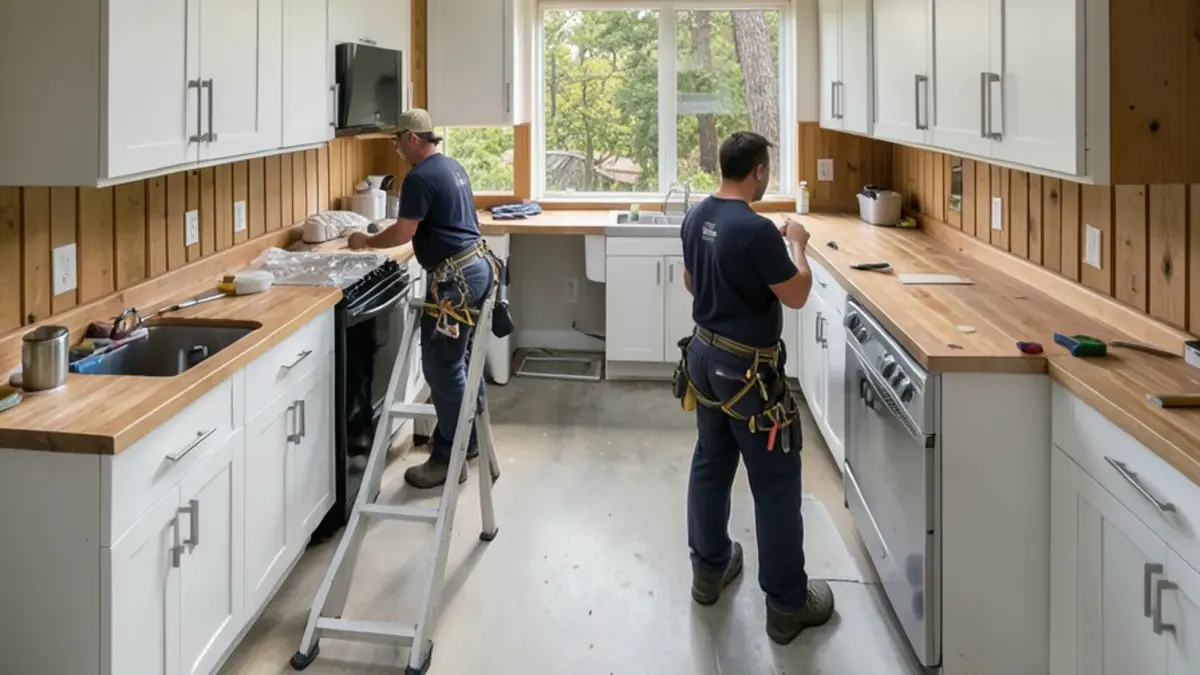
Which rooms suit a skylight, and which suit a solar tube?
A solar tube, also called a tubular skylight or sun tunnel, is a small dome on the roof, a mirror-lined tube through the attic and a diffuser in the ceiling. It delivers bright, even light but no view. A skylight is a full window in the roof, framed through the attic with a drywall shaft, or set directly into a vaulted ceiling.
| Room | Better fit | Why |
|---|---|---|
| Hallway or entry | Solar tube | Small space; even light without glare or a big shaft |
| Bathroom | Solar tube or venting skylight | Tube adds light with privacy; venting skylight helps clear humidity |
| Walk-in closet or laundry | Solar tube | Light without fading clothes or heating the room |
| Kitchen | Skylight | Larger area; a view of sky makes the room feel bigger |
| Living or family room | Skylight | Enough light for a big space; option to open for air |
| Vaulted ceiling, no attic | Skylight | No attic space for a tube to run through |
| Bedroom | Either, with shading | Skylights need a blind for sleep; tubes can add a dimmer |
Trying to decide for a particular room? Ring (725) 745-8803 to have the roof and attic path checked before you pick a size.
Call (725) 745-8803How much light and heat does each bring in?
Light scales with opening size. A solar tube has a small dome, usually around 10 to 14 inches across, and lights a modest room well at midday. A skylight's glazing area is many times larger, so it floods a room but also admits more heat in summer and loses more in winter.
South Bay summers are long and dry, so heat gain is the main trade-off. For skylights, choose low-e, double-pane glazing with ratings from the National Fenestration Rating Council, avoid large west-facing units over living spaces, and add a shade if the room overheats. Solar tubes add little heat because the opening is small and the tube is sealed, though an uninsulated tube in a hot attic can carry some warmth.
Which slope should the opening face?
The U.S. Department of Energy's Energy Saver guidance sorts skylight orientation this way: north-facing units give fairly constant, cool light; east-facing ones bring the most light and heat in the morning; west-facing ones bring afternoon sun and heat; and south-facing ones offer the most winter warmth but the most unwanted summer gain. For a South Bay kitchen or family room, a north or east slope is usually the comfortable choice. Solar tube domes are less sensitive, though a dome on a shaded north slope will deliver less light on winter days.
Rigid tubes versus flexible ducts
Light travels down a solar tube by bouncing off its lining. Rigid tubes with a highly reflective lining lose little light per foot, so they handle longer attic runs. Flexible, accordion-style tubes are easier to snake around ducts, but every ridge scatters light, and output falls off quickly with length. If the attic run is long, choose rigid sections with as few elbows as possible.
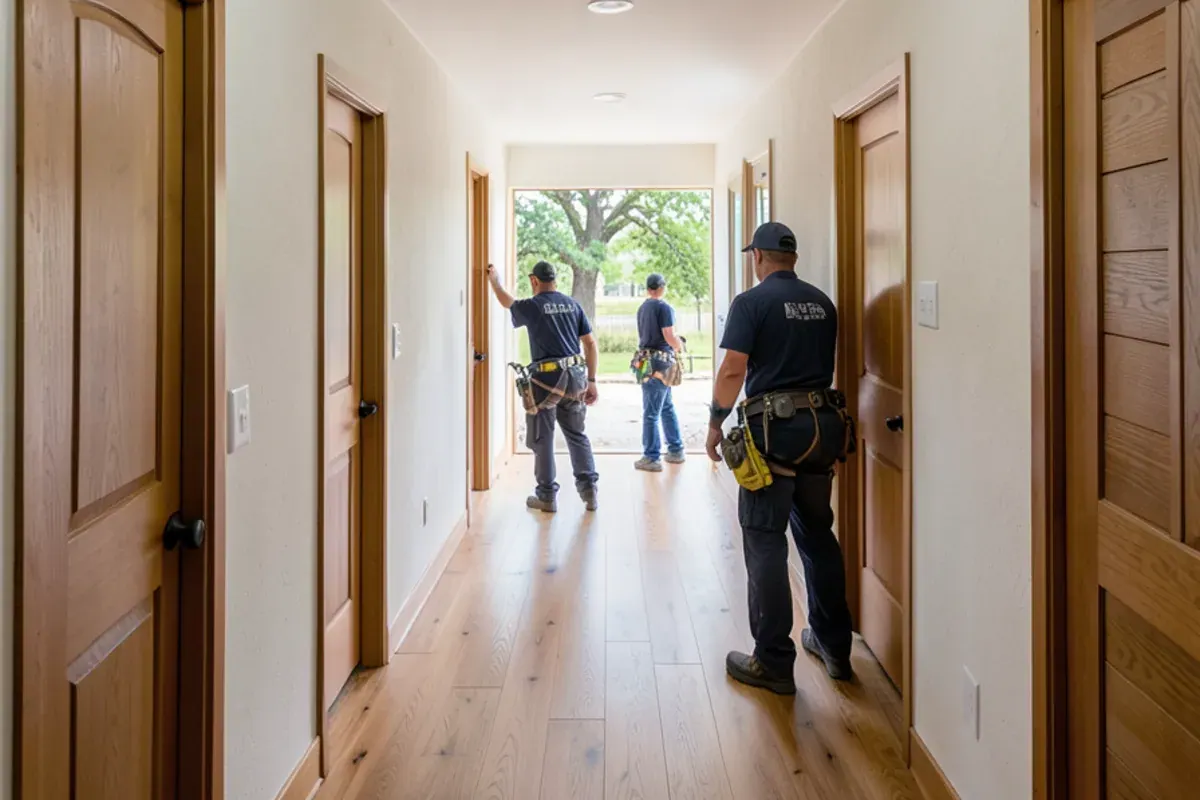
Does your roof type change the answer?
On asphalt shingles, both install cleanly with manufacturer flashing kits. On tile roofs, either one means removing and resetting tiles around the opening, and a tile-specific flashing kit; solar tubes need a smaller hole, so fewer tiles are disturbed. Flat and low-slope roofs, common on Eichler homes, call for curb-mounted skylights or tubes with low-slope flashing.
Inside, look at the attic. A tube needs a clear path from roof to ceiling, which can bend around ducts and wiring with angled sections, though each bend cuts light a bit. A skylight needs a shaft framed between rafters and joists, and a wide unit may mean cutting a rafter and adding headers. Vaulted ceilings without an attic rule out a tube.
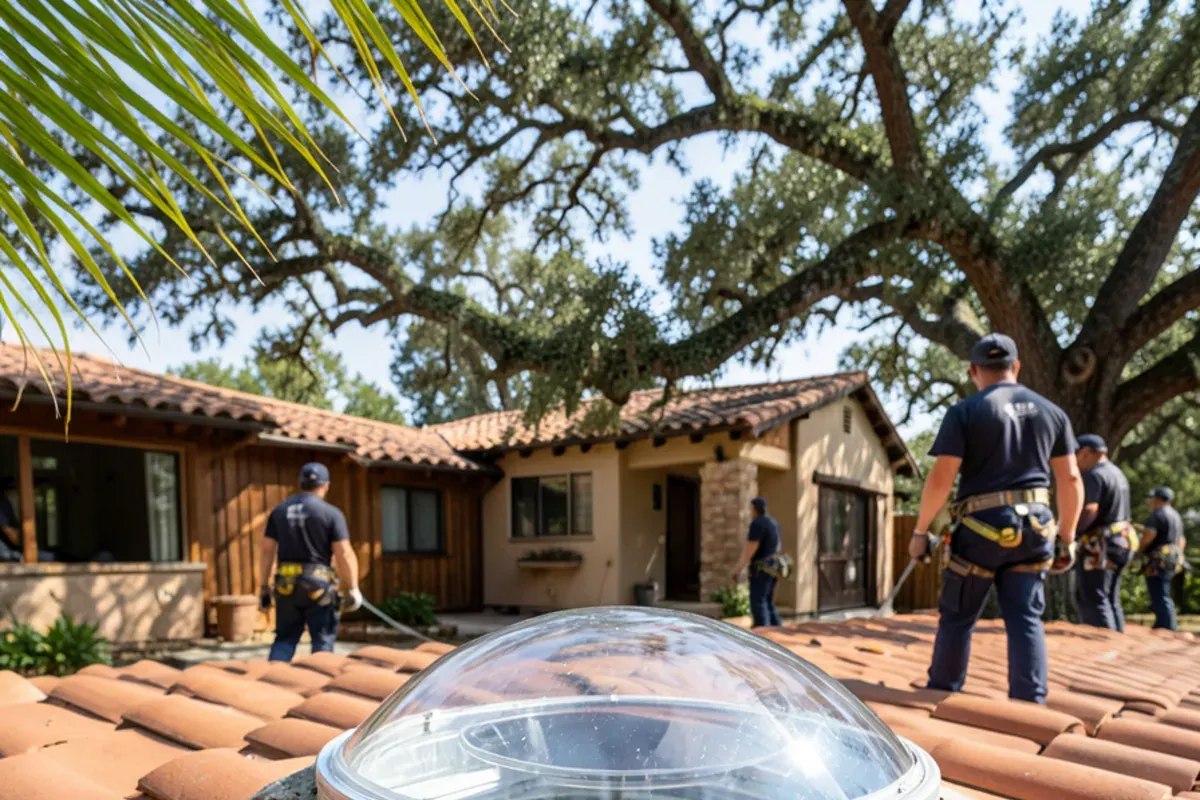
How big should the opening be? A worked example
Energy Saver offers a sizing rule of thumb for skylights: no more than about 5 percent of the floor area in rooms with many windows, and no more than about 15 percent in rooms with few windows. Here is how that plays out in a 150-square-foot kitchen:
| Situation | Guideline | Daylight opening |
|---|---|---|
| Kitchen with several windows | About 5% of floor area | Up to roughly 7.5 sq ft of skylight |
| Kitchen with one small window | About 15% of floor area | Up to roughly 22 sq ft of skylight, often split into two units |
| 10-inch solar tube | Dome opening about 79 sq in | About 0.55 sq ft per tube |
| 14-inch solar tube | Dome opening about 154 sq in | About 1.07 sq ft per tube, nearly double a 10-inch |
The arithmetic shows why tubes suit small rooms and skylights suit large ones. Even a 14-inch tube offers a fraction of the opening of a modest skylight, though its reflective tube and diffuser use that opening efficiently. For a large, dim room, two tubes or one well-placed skylight usually beat a single oversized tube.
What drives the cost of each option?
A solar tube typically costs less than a skylight installed in the same house because the opening, the framing and the interior finish are all smaller. These are the factors that move the price for either:
- Unit size and glazing: larger and higher-performance glass costs more.
- Fixed, venting or electric: opening skylights and rain sensors add cost and wiring.
- Roof material: tile and flat roofs take more labor to open and flash than shingles.
- Shaft framing and drywall: skylight shafts need framing, drywall, tape and paint.
- Attic access: tight, low attics slow any install.
- Timing: adding either during a reroof avoids cutting into a newer roof later.
Our skylight installation estimates list the unit, flashing, framing and interior finish separately so you can compare options line by line.
Planning daylight alongside a reroof
The best time to add or swap a skylight or tube is when the roof is coming off anyway. New flashing ties directly into new underlayment, and no one has to cut into a fresh roof a year later. If an old skylight is fogged or leaking, a reroof is also the moment to decide whether to replace it, resize it or close the opening and add a tube instead.
Homes in San Jose and across the South Bay range from ranch houses with deep attics to flat-roofed mid-century homes with almost none, so the answer changes street to street. See our skylights and solar tubes overview for repair, replacement and new installs.
From our roof visits: daylighting choices that backfire
Oversized skylights on west-facing slopes are the most common regret: bright for an hour, then hot for the rest of a summer afternoon. Tubes run through long, bendy attic paths are the second: by the time light makes it past several elbows, the ceiling diffuser looks dim.
Old plastic dome skylights replaced with the same size of modern glass often solve both leaks and heat at once. And a skylight's leak risk lives in its flashing, so the install quality matters more than the brand. For homes around Campbell, we usually suggest marking the ceiling spot and checking the attic path before choosing a size.
Each option has a trade-off to accept going in. A skylight gives a view of sky, more light and the option of fresh air, at the cost of more heat gain, a framed shaft and more flashing to maintain. A solar tube is lower in cost, gentler on the roof and nearly heat-neutral, but it offers no view, cannot open and dims noticeably on gray winter afternoons. Neither is better in the abstract; the room decides.
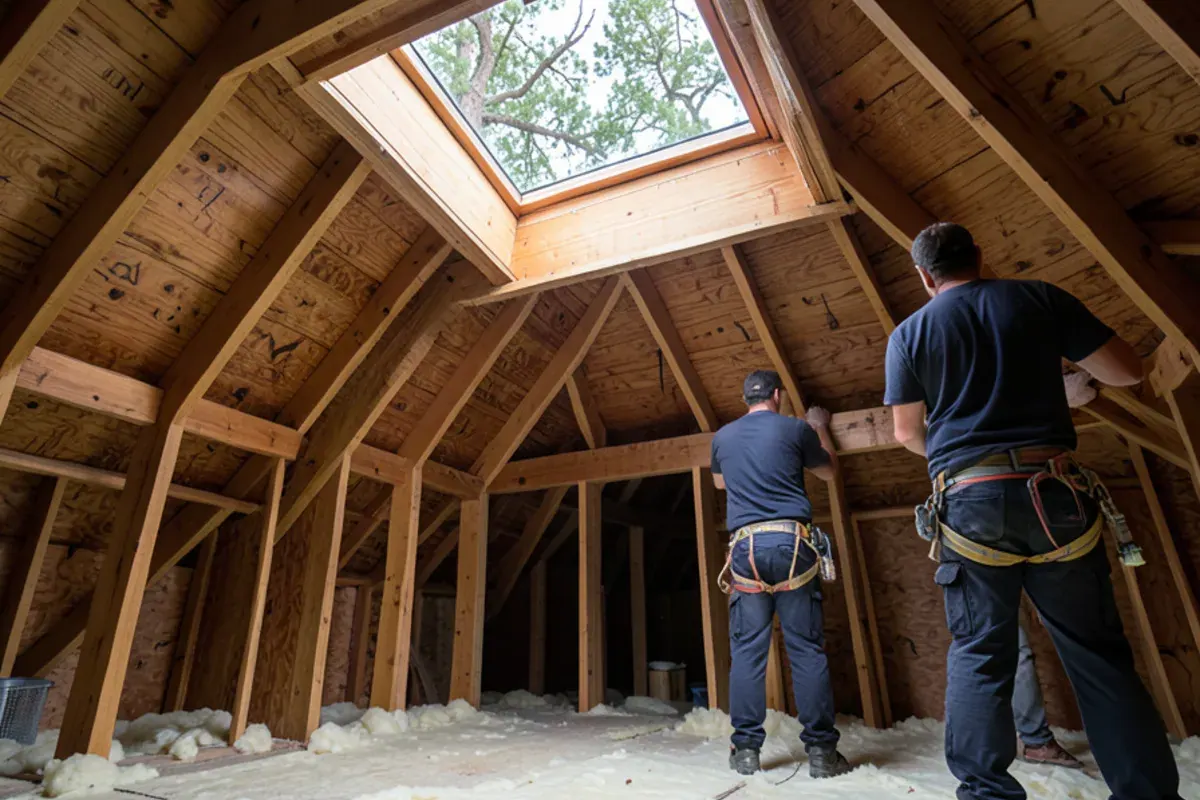
Matching daylight to each room in your house
Walk the house with a pencil and mark the ceiling spot in each dim room, then check the attic above it. Small rooms with a clear attic path are tube candidates. Large rooms, vaulted ceilings and spaces where you want sky or air call for a skylight, sized to the floor area and placed on a north or east slope where possible. If an existing unit is fogged or leaking, plan skylight replacement for it at the same time, so all the roof openings are flashed in one visit.
Deciding between a skylight and a solar tube for a particular room? We can look over the roof and attic path, then price both options.
Call (725) 745-8803