
Roof repair vs. replacement at a glance
Much of Campbell's housing dates from the post-war decades, so a large share of homes carry a second or third roof by now. That makes the age question real for a lot of owners. Use this table as a first sort before anyone climbs a ladder.
| What you see | Leans repair | Leans replace |
|---|---|---|
| Number of leaks | One leak at a pipe, vent or wall | Leaks in several rooms or returning after patches |
| Roof age vs. material | Well inside the material's normal service life | At or past the end of it |
| Shingle or tile condition | A few missing or broken pieces | Widespread granule loss, curling, brittle or cracked field |
| Deck from the attic | Dry, firm sheathing with one stained area | Soft, delaminated or sagging sheathing in several bays |
| Insurance | Insurer has not flagged the roof | Renewal notice asks for roof replacement or a roof update |
| Plans | Selling soon and roof passes inspection after a repair | Staying long-term or adding solar |
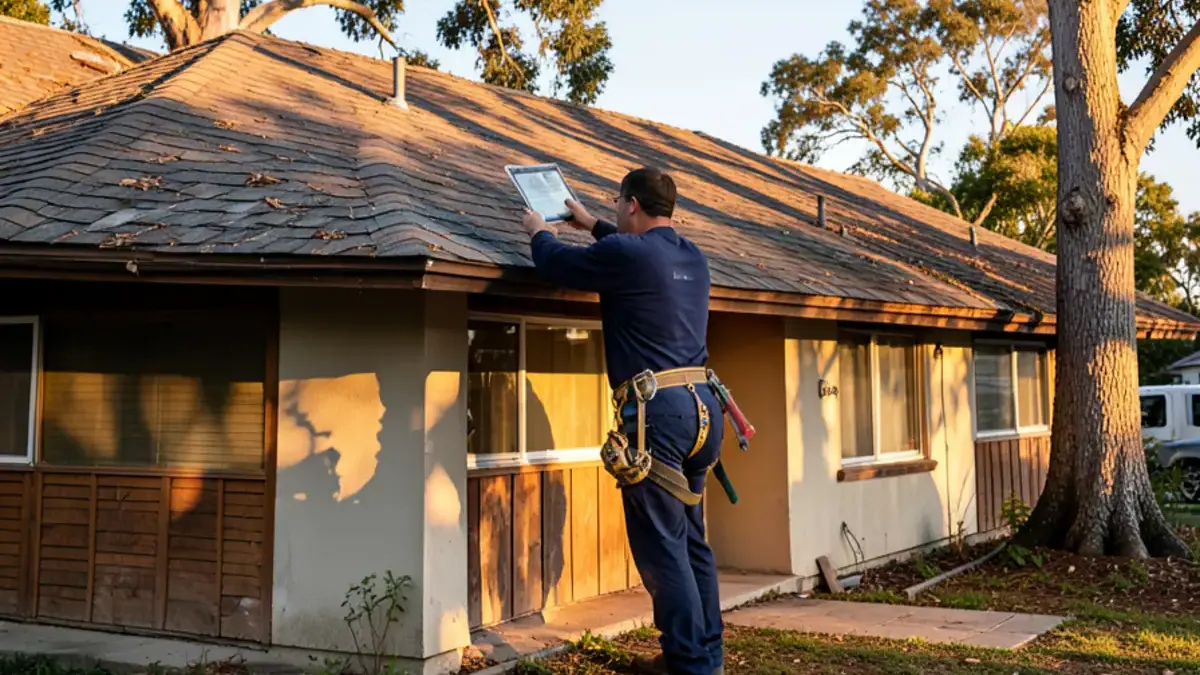
Not sure which column your roof falls in? We will inspect it, photograph what we find and explain both options on a written estimate.
Call (725) 745-8803How old is too old? Roof age by material in Campbell
There is no single cutoff, because materials age at different speeds. Rough rules of thumb that roofers use, which your own roof may beat or miss depending on installation and exposure:
- Three-tab asphalt shingles: often 15 to 20 years in our summer sun.
- Architectural (laminated) shingles: commonly 20 to 30 years.
- Concrete or clay tile: the tile itself can last decades, but the underlayment beneath it is often worn out after 20 to 30 years.
- Wood shake: roughly 20 to 30 years, less where shade keeps it damp.
- Built-up and modified bitumen flat roofs: often 15 to 25 years, depending on drainage and coatings.
Our dry, sunny summers do most of the aging. Ultraviolet light and heat dry out asphalt and sealants from May to October, and then the November to March rains find whatever has cracked. A south- or west-facing slope usually wears out years before the north side of the same house.
When is a roof repair worth it?
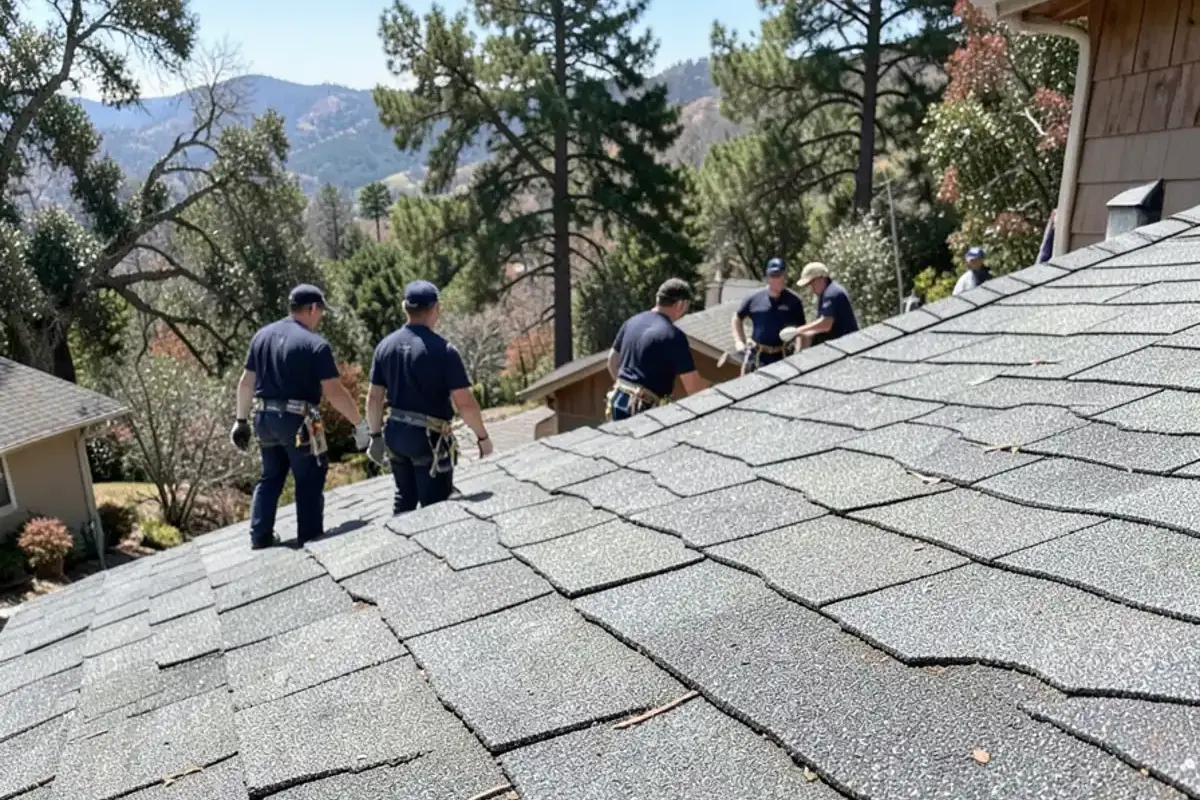
Repair wins when the problem is local and the rest of the roof has years left. Typical examples include a cracked pipe boot, a lifted shingle tab, a few broken tiles, a failed chimney counterflashing or a leaking skylight curb. These fixes cost a fraction of a reroof and, done properly, can last as long as the surrounding roof.
Repairs make less sense when they are chasing symptoms. If each storm reveals a new drip in a different room, the roof is telling you that the waterproofing has failed broadly. Our roof repair work starts with finding the source, and part of that job is telling you honestly when the source is the whole roof.
Roof replacement signs that make another patch a poor bet
- Bare spots where shingle granules have washed into the gutters in quantity.
- Shingles that curl, cup or crack when lifted gently.
- Daylight through the roof boards when you look from the attic.
- A deck that feels spongy underfoot or sags between rafters.
- Several layers of roofing already on the house, which limits further overlays.
- Flashing that was sealed with mastic over and over instead of being replaced.
- Mismatched patches covering a large share of the roof surface.
Two or more of these together usually point toward a roof replacement. A full tear-off also lets the crew replace rotted sheathing, which in the City of Campbell must be done before the reroof inspection anyway.
How insurance, solar and a home sale change the math
California homeowners have faced insurer pullbacks and non-renewals in recent years, and an older roof is a common reason a carrier flags a home. If your renewal letter mentions the roof, a repair may not satisfy the insurer even if it stops the leak. Ask the carrier exactly what it needs in writing before choosing.
Solar changes the timeline. Panels must come off to replace the roof under them, so putting a fresh roof under a new array avoids paying for removal and reinstall a few years later. If you plan to sell, a buyer's inspector will look at the same things we do. A documented roof inspection with photos helps you decide whether a repair and a clean report are enough.
Repair cost vs. remaining life: a worked comparison
The sticker price of a repair is only half the comparison. The other half is how many winters it buys. We suggest dividing each option by the years of service you can reasonably expect, using the figures from your own written estimates.
The cost-per-year test
Here is the arithmetic with neutral units instead of dollars, so it works for any roof. Say a full reroof costs 100 units and should serve about 25 years. A repair costs 10 units but, on a roof that is already worn, might buy two winters before the next leak.
| Option | Cost | Expected years | Cost per year |
|---|---|---|---|
| Full reroof | 100 | About 25 | About 4 |
| One repair on a worn roof | 10 | About 2 | About 5 |
| Three repairs over six years, then a reroof anyway | 30 + 100 | 6 + 25 | Highest overall |
The single repair looks cheap, yet it costs more per year of dry ceiling, and it does not cancel the reroof, only delays it. Flip the inputs and the answer flips too: a 10-unit flashing repair on a roof with 12 good years left costs under one unit per year, and that is money well spent.
What a repair cannot reach
Some failures sit under the surface you can patch. On concrete and clay tile, the tile sheds most of the water, but the underlayment beneath it is the real waterproofing layer. Once that felt is brittle across the roof, swapping cracked tiles does not stop the leaks. The same goes for asphalt shingles that have lost their seal strip adhesion: replacing a few blown tabs leaves hundreds of others ready to lift in the next wind.
Middle-ground options between a patch and a full reroof
The choice is not always one or the other. These in-between scopes fit specific situations, and an honest estimate should mention them when they apply:
- Tile lift-and-relay: the tiles come off, new underlayment and flashing go down, and the sound tiles go back on. It suits roofs where the tile is fine but the felt has failed.
- Re-flashing in reroof style: cutting out old step and counterflashing at a chimney or wall and installing new metal, rather than adding more sealant on top.
- Replacing one separate section: a low-slope porch, a garage or a flat dormer that has failed while the main roof still has life.
- A coating on a sound flat roof: silicone or acrylic coatings can extend a dry, well-adhered membrane, but they are not a fix for wet insulation or a deck that has gone soft.
- An overlay: a second layer of shingles is sometimes allowed, with real drawbacks we cover in roof overlay vs. tear-off.
Each of these still needs the same first step as any repair: finding where water actually gets in. A coating over a leaking seam or new felt under a cracked chimney crown just moves the problem.
From our roof visits: what usually tips the decision
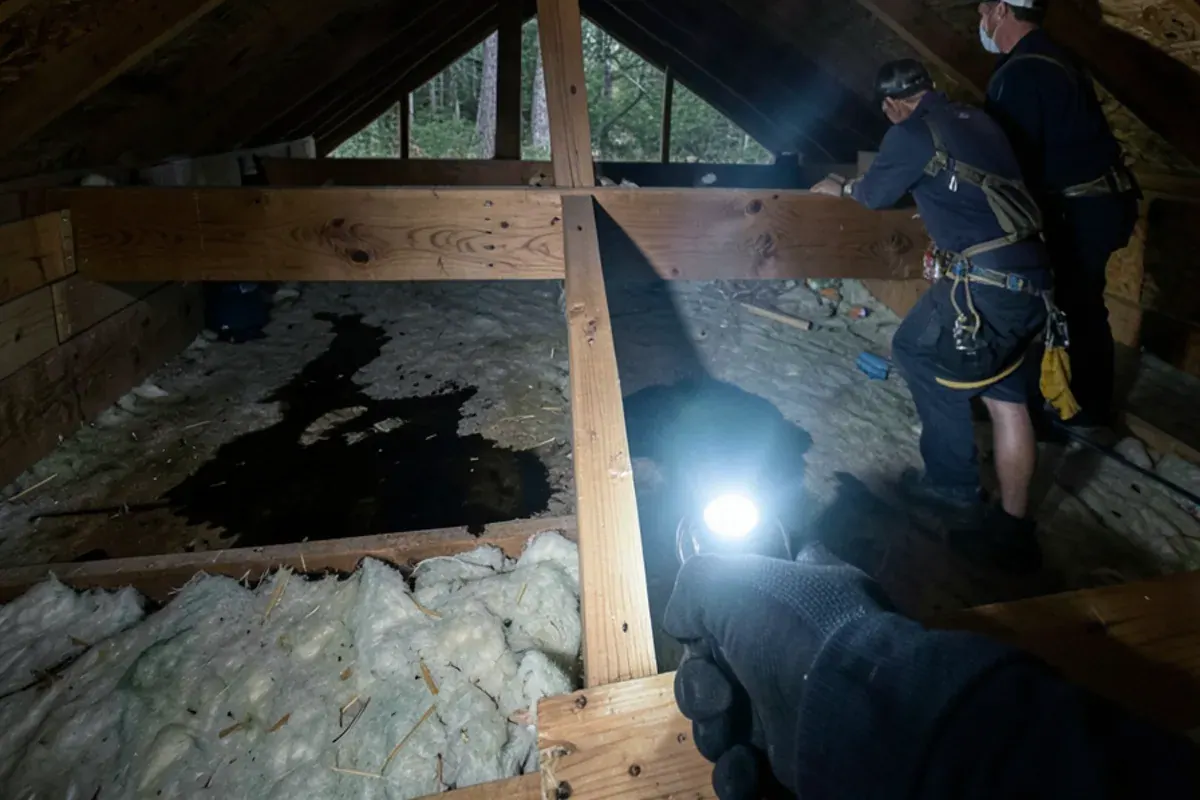
The attic tells the truth faster than the roof surface. Stains that are dry and old point to a leak that has already been fixed. Fresh dark wood, damp insulation or rusty nail tips point to an active problem, and if they appear in several bays the roof is failing in more than one place.
Many leaks blamed on worn shingles are really flashing problems. Walls, chimneys and skylights are where water gets in first on an otherwise sound roof. That is good news, because flashing repairs are far cheaper than a reroof. We would rather show you the photo and fix the flashing than sell you a roof you do not need yet.
On foothill homes in Los Gatos and nearby, the answer can also depend on fire-hazard mapping. Where California's wildland-urban interface rules apply, a reroof may need a Class A assembly, which can tilt the decision toward replacing an older wood roof sooner.
Repairs on an old roof come with trade-offs we would rather name up front. Brittle shingles can crack when a roofer walks to the repair spot, so the fix can create small new damage nearby. New shingles rarely match a sun-faded slope, and some older tile profiles are no longer made, which means salvaged pieces or a visible patch. None of that makes repair wrong, but it belongs in the conversation before you choose.
Repair or replace your roof? A five-question test
- Do you know the roof's install year, from permits, sale papers or the previous owner?
- Is the leak in one spot, or has water appeared in different rooms over the last two winters?
- Has anyone photographed the deck from the attic side?
- Has your insurer said anything about the roof at renewal?
- Will you stay in the house more than five years or add solar?
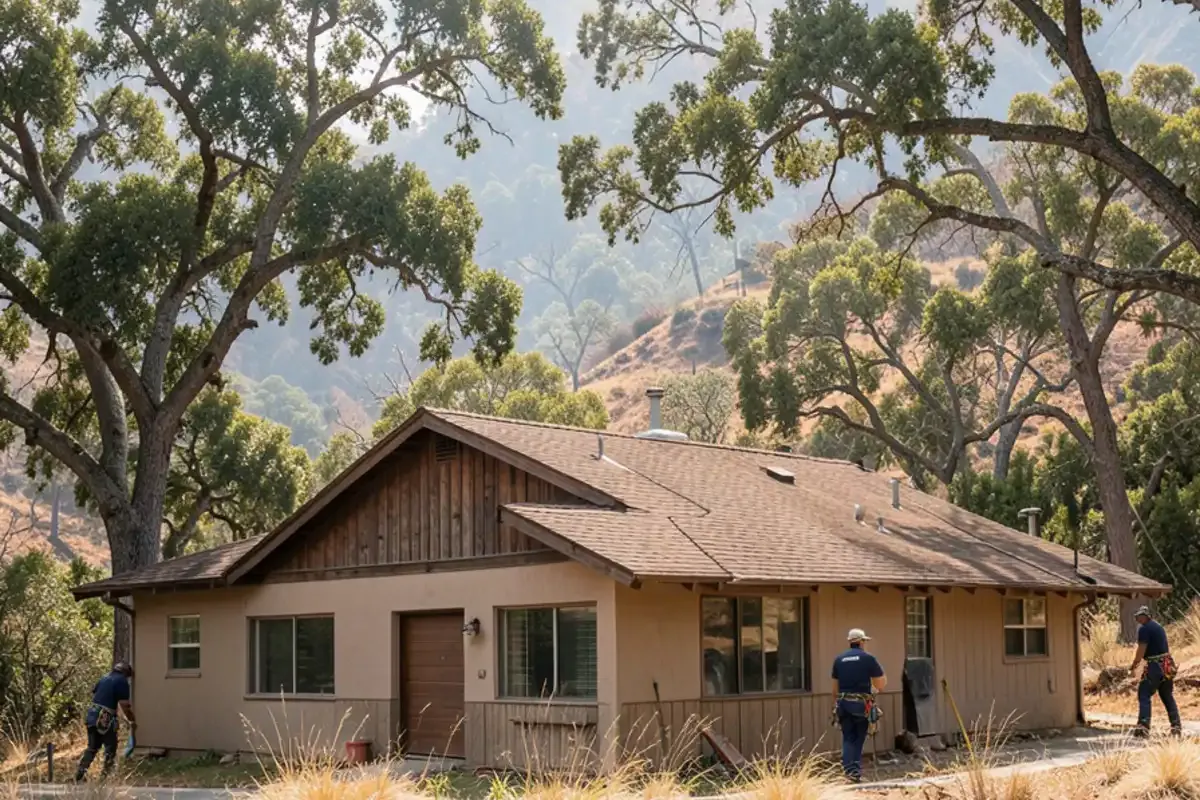
If you answered yes to the last three, get replacement and repair priced side by side on the same visit. A fair estimator will give you both and let you choose. Homeowners in Campbell can call (725) 745-8803 and set up a free look.
Ask us to price the repair and the reroof on one written estimate, with photos of the deck and flashing, so you can compare them side by side.
Call (725) 745-8803